Minnesota Gov. Tim Walz mobilized the National Guard on July 12 to assist firefighters in battling wildfires in northern Minnesota after declaring a peacetime emergency.
A peacetime emergency is an executive order that allows the governor to mobilize state resources to respond to crises, including natural disasters, terrorist incidents, cyberattacks, and civil disturbances.
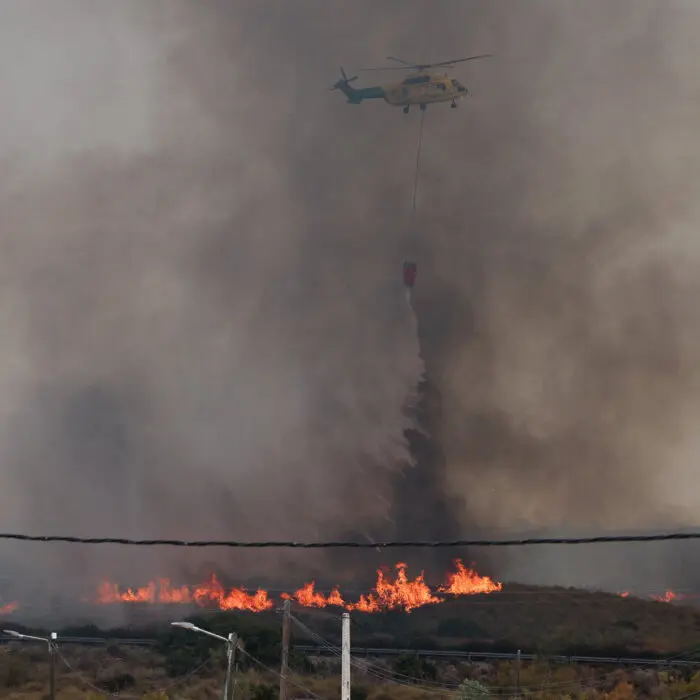
As of July 12, the Superior National Forest in northern Minnesota has 16 wildfires burning, including four within the Boundary Waters Canoe Area Wilderness, according to the Incident Information System website.
“Minnesotans extend our deepest gratitude to all of the first responders working around the clock to keep their neighbors safe,” the governor said in a post on X.
High temperatures over the weekend increased fire risk, according to the National Weather Service. The U.S. Forest Service stated on July 10 that it was closing part of the Boundary Waters Canoe Area Wilderness due to a nearby wildfire in Quetico Provincial Park.
The forest closure order took effect on July 12 and will remain in effect until the fire is contained, the U.S. Forest Service stated.
“Please remain vigilant while out on your public lands. Fuel conditions remain very dry and new fire starts are possible,” it stated.
According to the Incident Information System, firefighters continue to suppress the fires as high temperatures, winds, low humidity, and the lack of precipitation increase fire activity in some parts of Minnesota.
Five counties in northeastern Minnesota were placed under red flags warning on July 12, meaning that no open burning permits will be issued and that campfires are strongly discouraged due to “extreme fire danger.” The affected counties are Cook, Itasea, Koochiching, Lake, and St. Louis, according to the Minnesota Department of Natural Resources.
“People should use extreme caution when doing activities that can cause sparks or heat near vegetation by securing trailer chains, parking ATVs on gravel or pavement, and using chainsaws or other equipment outside of the Red Flag warning hours,” the department stated.
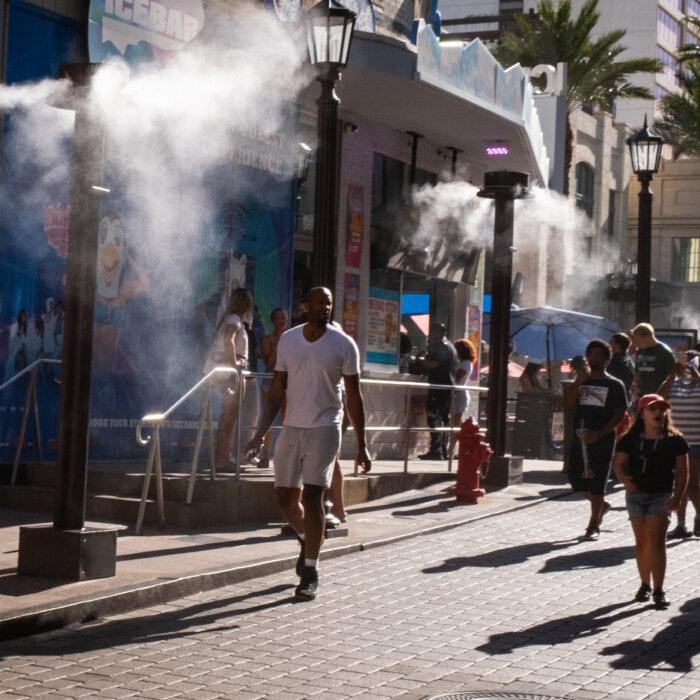
According to the National Weather Service, an extreme heat warning remains in effect across parts of Minnesota through July 14, with the heat index expected to reach up to 110 degrees Fahrenheit.
The agency warned that the risk of heat-related illness is high during periods of extreme heat and high humidity.
People in heat affected areas are urged to stay hydrated, take frequent rest breaks in shaded areas, and limit outdoor activities.
“Wear lightweight and loose fitting clothing. Try to limit strenuous activities to early morning or evening. Take action when you see symptoms of heat exhaustion and heat stroke,” the agency stated.