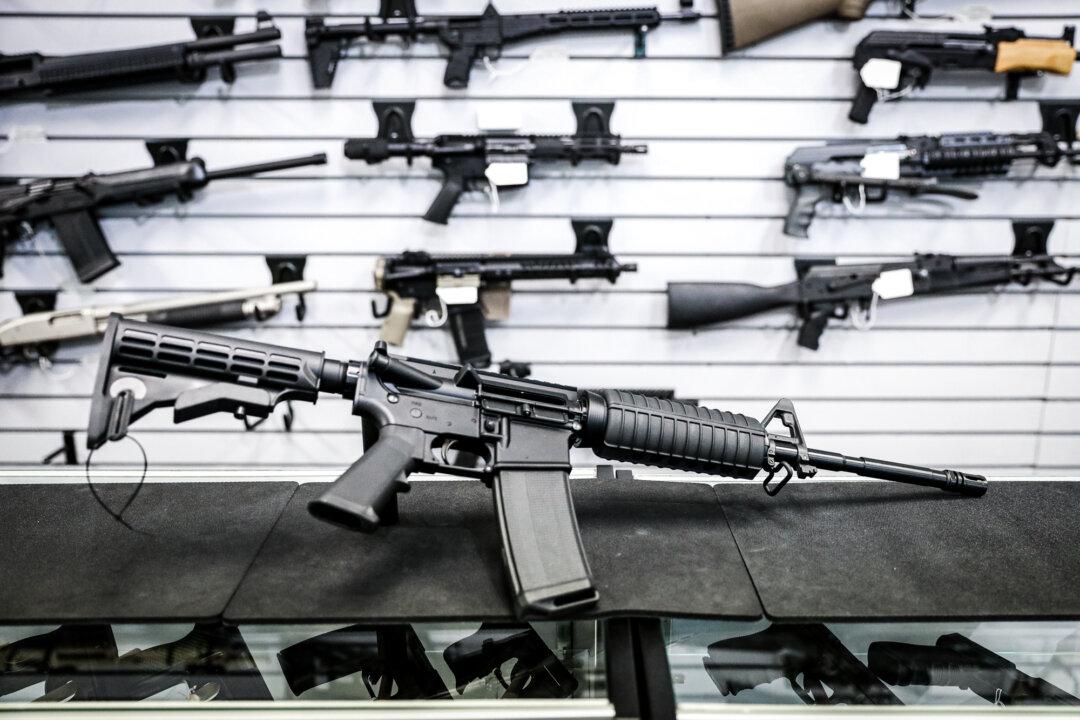
Austrian firearms maker Glock is discontinuing almost all of its product line to concentrate on new designs that it believes will “drive future innovation and growth,” according to a Second Amendment news site.
The company said the new models will have a “V” stamped on each pistol’s frame and slide.
“As part of Glock’s commitment to future innovations, we are making necessary updates to our product line to align with upcoming offerings,” the company said in a press release.
“Our dedication continues to be with maintaining the highest level of quality, reliability, and accessibility that you expect from Glock.”
The company says on its website that it is “prepared to work closely with [law enforcement] partners to make sure officer and agency needs are met.”
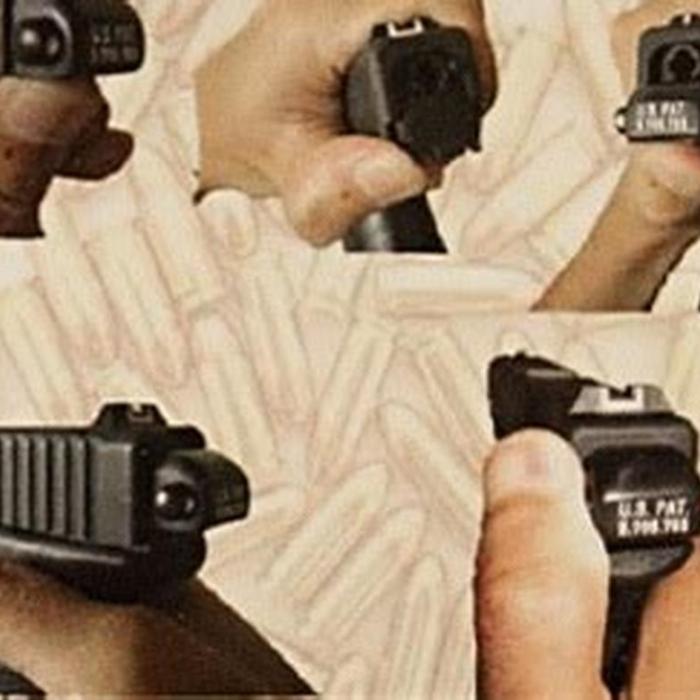

On Oct. 10, California Gov. Gavin Newsom signed Assembly Bill 1127, which bans the sale of semi-automatic handguns that can be easily converted to fully automatic. That ban covers guns that use a cruciform trigger bar, like a Glock.
The prohibition goes into effect on July 1, 2026.
California is not the only government to take action against the gunmaker. Minnesota and New Jersey have previously sued the company, as have Chicago, Baltimore, and Seattle.
The legal complaints stated that the company’s legal semiautomatic gun can be easily converted to an illegal machine gun with the use of a so-called “Glock switch.”
They argued that this has contributed to violent crime involving guns in their cities.
On its webpage, Glock disavows the use of any aftermarket parts on its firearms, especially Glock Switches.
The company encourages customers to contact law enforcement if they encounter a Glock with such a device.
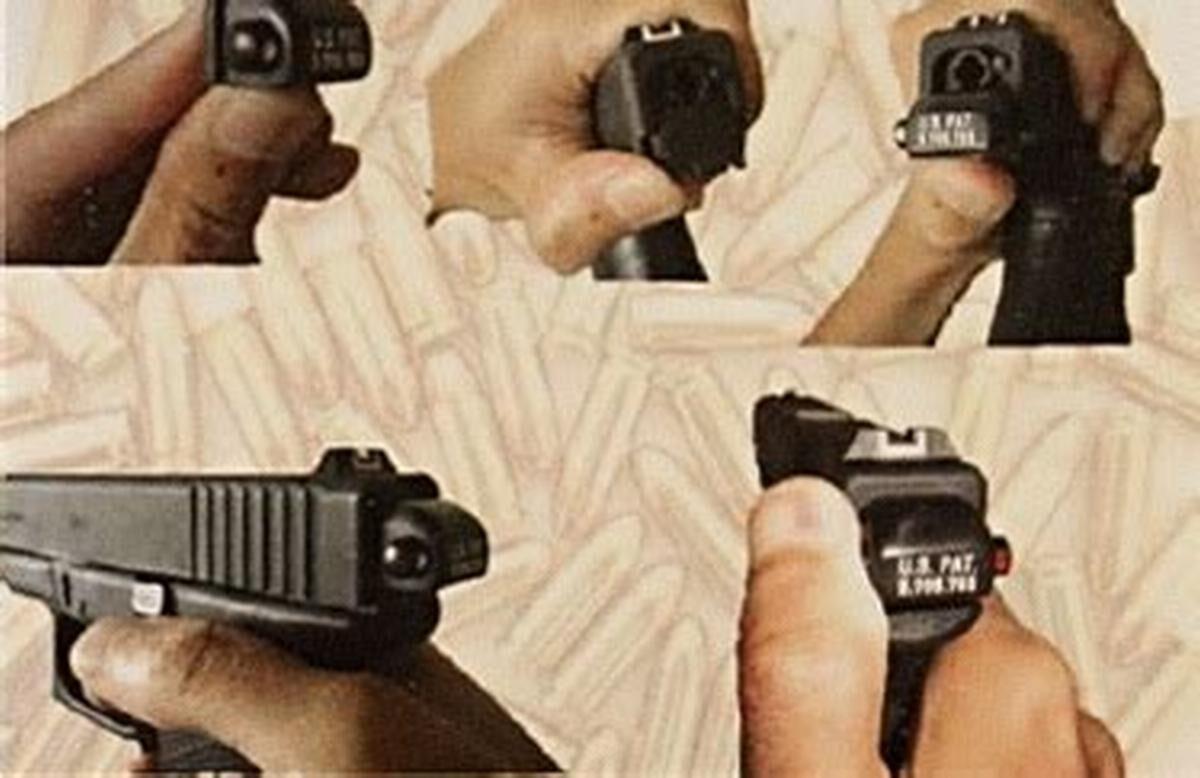
“Glock does not manufacture, license, sell, or otherwise approve of illegal [machine gun conversion devices] or fully automatic conversion of any Glock pistols,” the website states.
Glock did not respond to a request for comment by publication time.
Magill speculates that the new Glocks will have a redesigned trigger to prevent them from being converted into fully automatic guns.
“Glock says this is all about an improved trigger and improved slide, but the reality of it is these changes will prevent the Glock from accepting a switch that will convert it to full auto,” Magill said.
“So, that’s really what I think this is all about.”
The Glock press release appears to reference GlockStore in explaining why it confirmed the report on Oct. 21.
“Yesterday, a retailer not affiliated with Glock Inc. made premature statements concerning the availability of certain Glock pistols. The individuals making these representations are not authorized to speak for Glock,” the press release states.

It also indicates the trigger design may be part of the reason for the changes. According to the release, most of the changes will probably be to the gun’s internal parts.
“Externally, the pistols remain the same trusted look and performance you already know,” the release states.
In 1982, Glock produced its first polymer-framed, striker-fired pistol and won a contract to provide the guns to the Austrian military.
The pistol boasted what the company called its “safe action system,” which used a striker rather than a hammer and firing pin to fire its ammunition.
With strong internal safeties and a lever safety incorporated in the trigger, the gun is almost impossible to fire without intentionally pulling the trigger.
The gun was introduced to the United States in 1985 and quickly became a favorite of law enforcement and civilians who wanted a durable, dependable, and easy-to-maintain firearm.
According to the Glock website, “Over 65 percent of federal, state, and local agencies in the United States have been issued Glock pistols.”
Glock soon offered the pistol in various calibers and sizes, but the basic design remained the same. Over time, that stasis became more of a challenge than an asset for the company, some say.
Tom Grieve, a Wisconsin-based attorney who specializes in Second Amendment cases, says that as the company’s patents expired, other manufacturers developed their own striker-fired handguns.
He speculates that this, combined with its legal challenges, may have convinced Glock management that the time is right for redesign.
“They won’t die tomorrow or next year, but they’re risking their corporate fate in 10 or 20 years. They still have market position. This is the time for them to change,” Grieve told The Epoch Times.
Some Give Up
On Glock’s X page, commenters accused the gunmaker of acquiescing to the California government’s edict.Several vowed to stop buying and using Glock pistols. Some compared the move to marketing decisions that backfired on other companies.
“Gaston [Glock, founder of the company] is rolling over in his grave,” X user Steve Forsing’s Clone wrote. “Prepare for your Bud Light moment.”
The plaintiff cities are assisted by EverytownLaw.org, the legal arm of Everytown for Gun Safety.
According to its website, Everytown Law works with local and state governments in litigation involving the firearms industry.
They say Glock switches are being used by criminals to wreak havoc on American streets.
“Glock’s role in facilitating the proliferation of illegal machine guns has been widely known, yet Glock has refused to take basic and meaningful steps to fix the problem,” Eric Tirschwell, executive director of Everytown Law, is quoted in a statement announcing Baltimore’s lawsuit on Everytown’s website.
Second Amendment advocates say that regardless of why Glock is changing, the lawsuits and California ban violate the Second Amendment.
“It would be absurd to hold Glock liable for the sale of illegal machine guns when Glock has never sold a single machine gun ’switch' and has only ever sold semiautomatic pistols,” Aidan Johnston, director of federal affairs for Gun Owners of America, wrote in an email to The Epoch Times.
“And in any case, the right to own machine guns is protected by the Second Amendment.”