RAIFORD, Fla.—Dozens gathered along a small two-way highway outside Florida State Prison Tuesday evening in rural Raiford, Florida, to protest the execution of convicted killer Mark Geralds, which brought the state’s record executions in a single year to 18.
More than three decades ago, a jury unanimously recommended the death penalty for Mark Geralds after he was found guilty in the burglary, robbery, and stabbing death of a woman in her home in Panama City, Florida.
At a press conference after the execution, spokesman for the Florida Department of Corrections Jordan Kirkland said Geralds did not request a final meal and did not meet with a spiritual adviser before his execution.
The execution by lethal injection was carried out without incident and Geralds died at 6:15 p.m., Kirkland said.
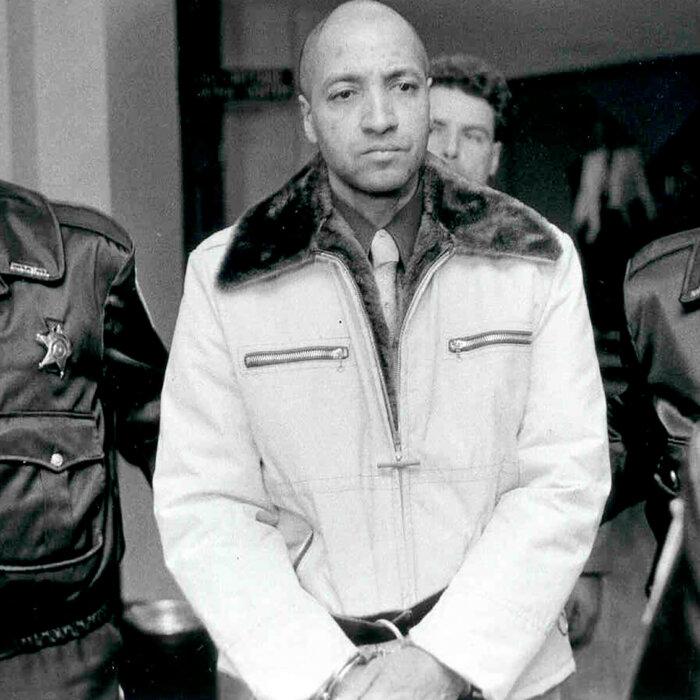
A judge granted Geralds’s request after finding him competent to make the decision “freely and voluntarily.” Executive director of Floridians for Alternatives to the Death Penalty, Grace Hanna, says a convicted killer on death row may take this action for a few reasons.
“I think that there’s a sense of hopelessness, or a sense of feeling like ‘I had my claims heard in court, so what’s going to change now?’” Hanna told The Epoch Times.
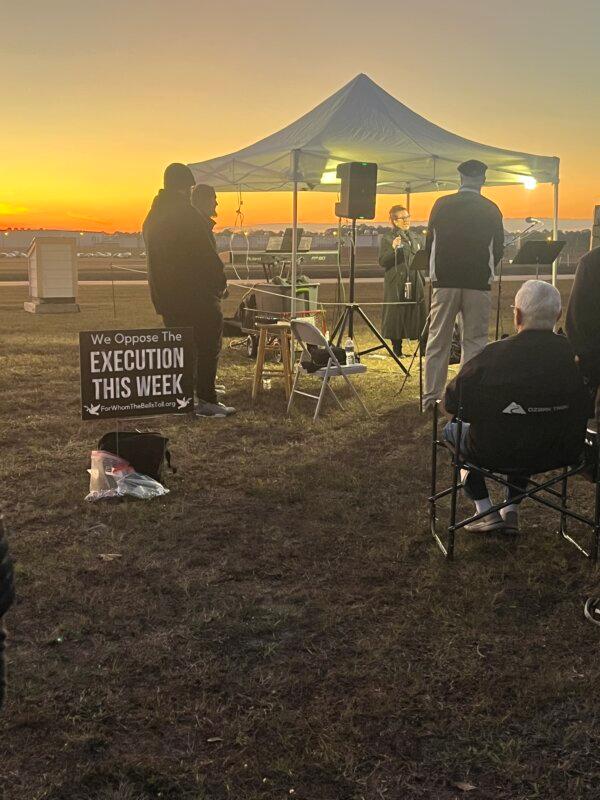
Geralds joined a growing list of death row inmates across the country who have opted to waive their final legal appeals, becoming what critics of the death penalty call “execution volunteers.” Hanna says that in any given year, inmates waiving their final appeals make up roughly 10 percent of total executions across the country.
So far, there have been 44 executions in the United States this year, up from 25 last year. Geralds’s execution on Dec. 10 marks the 45th, the highest number recorded across the country in more than a decade.
Groups against the death penalty argue executions are not a deterrent for more violence, and life in prison without parole is punishment enough. Hanna, a family member of a murder victim, says there still needs to be accountability for convicted killers, but it should stop short of taking another life.
“I certainly understand the pain and trauma that can be caused by any kind of violent crime, and I certainly don’t want to erase anyone’s experience. And that being said, we don’t believe that execution is the solution to this,” Hanna said.
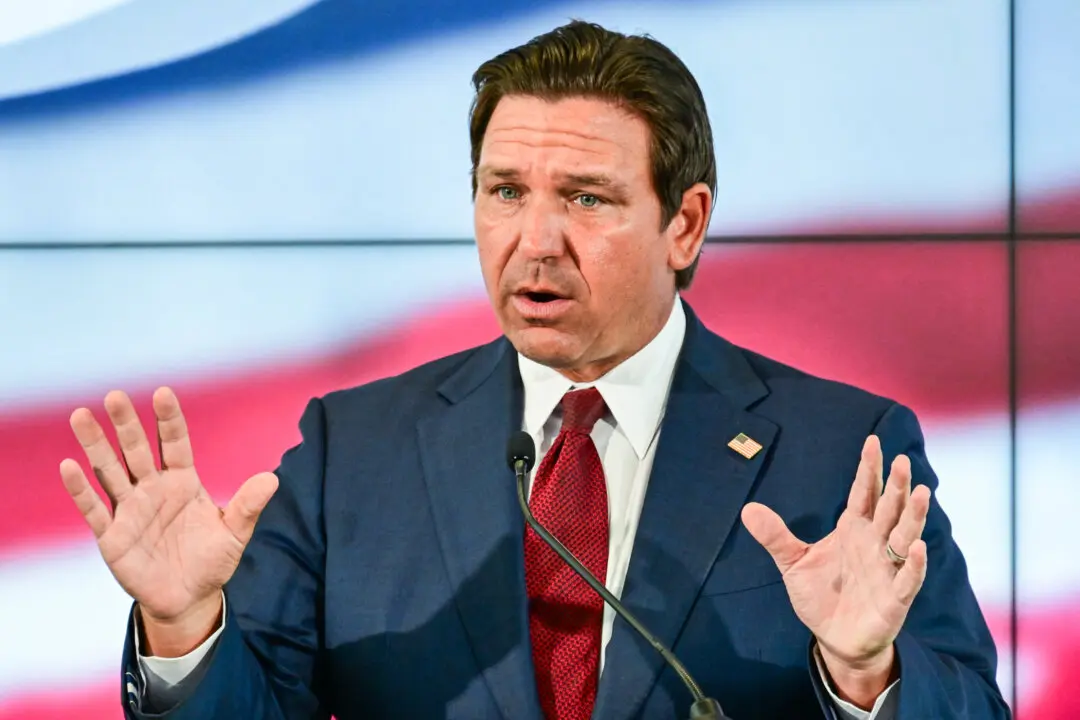
DeSantis argues the opposite. Florida’s death penalty is victim-driven and can be a strong deterrent if carried out quickly, he said.
An advocate for the victim’s family, who declined to give her name at a press conference directly after the execution, said Geralds’s death brings a sense of relief to the family.
“Tomorrow, when we wake up, it will be the first time in nearly 37 years that we don’t have to worry about another appeal being filed or another law changing that could potentially thwart the justice we have been fighting for for so long. Our hope and prayer is that the state legislators will do their part to ensure the future will not have to wait so long for justice to be carried out for their loved ones,” the advocate told The Epoch Times.
A single counter-protester showed up in support of Geralds’s execution Tuesday evening, blasting music directed at the larger group. The man, Bill Campbell, said, “We’ve got a very good state government here.”
“This is a process that has to get done. Lousy criminals have to be handled, and that’s what’s being done. And these folks think it’s a problem. If anything, we’re not doing enough of it,” Campbell told The Epoch Times.
Florida’s 19th execution of the year is scheduled for Dec. 18.