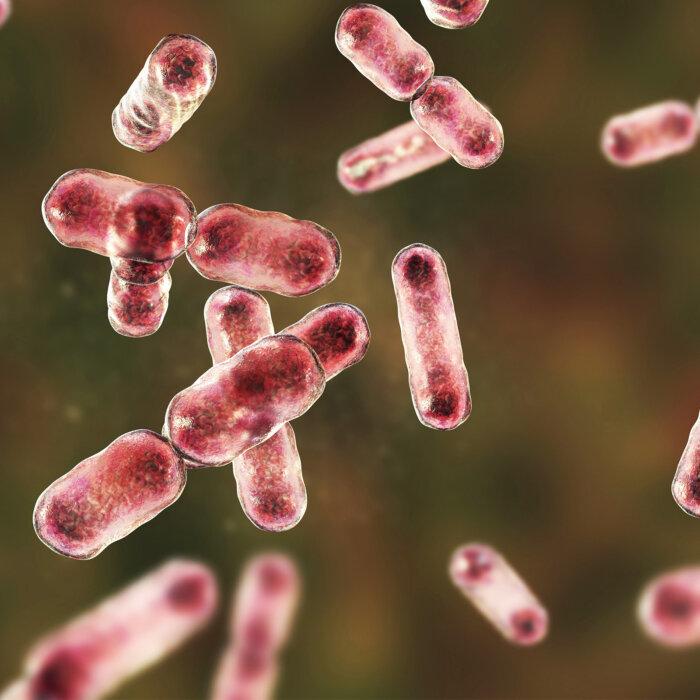
At least 10 people have died in three states because of the potentially deadly bacteria Vibrio vulnificus as of Thursday, officials said.
Where Have Cases, Deaths Been Reported?
In Florida, the Department of Health has confirmed 16 cases and five deaths as of Thursday. Last week, the agency confirmed four deaths from the bacterial infection.The Epoch Times has contacted the North Carolina Department of Health on reports that dozens of people have contracted the infection this year. A spokesperson for the agency told local media outlets this week that the state had seen 59 Vibrio vulnificus infections and one death from the bacteria as of July 31, 2025.
How Can You Contract It?
The Vibrio bacteria can spread to people by entering through open wounds that have been exposed to contaminated water or by consuming undercooked or raw shellfish, namely oysters, says the CDC.The bacteria are usually found in greater numbers in coastal water or brackish water, which is where freshwater and saltwater meet, between the months of May and October, when water temperatures are warmer, according to the agency.
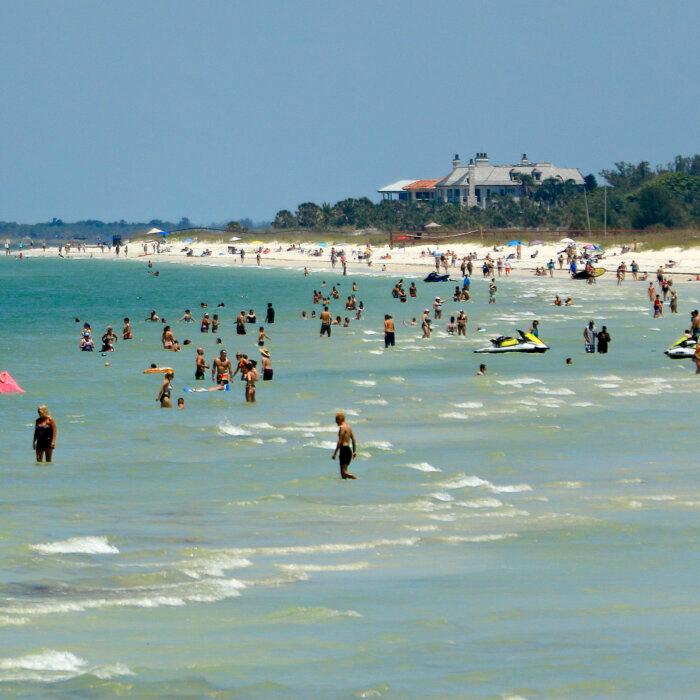
Louisiana’s health department said in its update that of the 17 cases in 2025, 75 percent reported seawater exposure to a wound.
Who Is at Risk?
Individuals with certain medical conditions are more likely to develop a Vibrio vulnificus infection if they’re exposed to the organism, health officials say.That includes people with liver diseases, chronic kidney failure, diabetes, and conditions that weaken the immune system. People whose jobs place them in contact with raw shellfish or the water in which they live are also more likely to be exposed to the bacteria, according to the clinic.
What Are the Symptoms?
The CDC says that people who contract Vibrio vulnificus can become quickly and seriously ill, potentially requiring intensive care or the amputation of a limb. Meanwhile, around one in five who contract the disease die, even within a few days of becoming sick.How to Prevent It?
Officials say that preventions include staying out of brackish or salt water if the person has a wound, such as a cut or scrape, or covering the wound with a waterproof bandage before entering the water. The same advice applies if a wound could come into contact with raw seafood or shellfish.If a person has been exposed, they’re advised to thoroughly wash the cut or scrape with soap and water. People who have developed a skin infection after coming into contact with salt or brackish water or raw seafood or shellfish should inform a medical provider, officials say.
It notes that people who have had a recent piercing or tattoo should avoid contact with salt or brackish water.