After federal officials in the fall of 2025 warned against pregnant women using Tylenol, fewer women took the pain reliever during pregnancy, according to a new study.
In contrast, no statistically significant change in Tylenol use among female patients in emergency departments was recorded during that time.
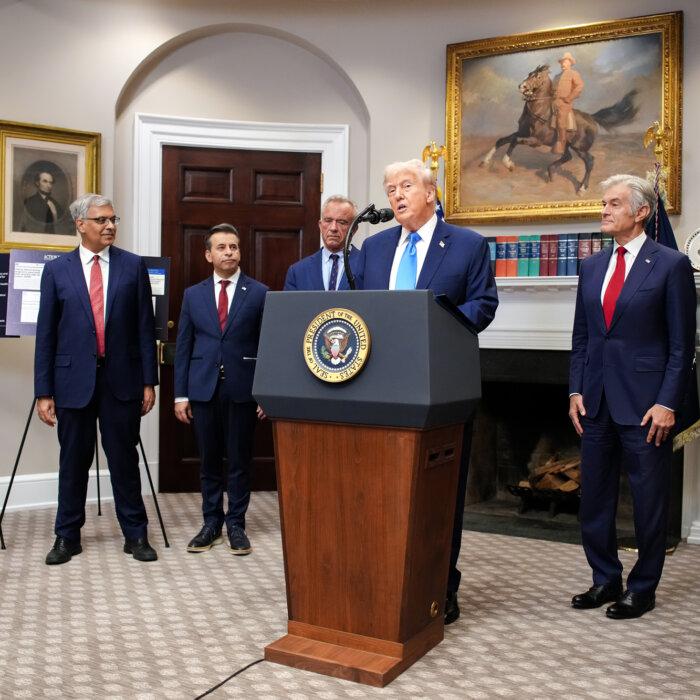
“Don’t take Tylenol,” President Donald Trump said at the time.
The Food and Drug Administration said in a notice that acetaminophen is the safest over-the-counter option in pregnancy for fevers, but that due to the possible connection to autism, “clinicians should consider minimizing the use of acetaminophen during pregnancy for routine low-grade fevers.”

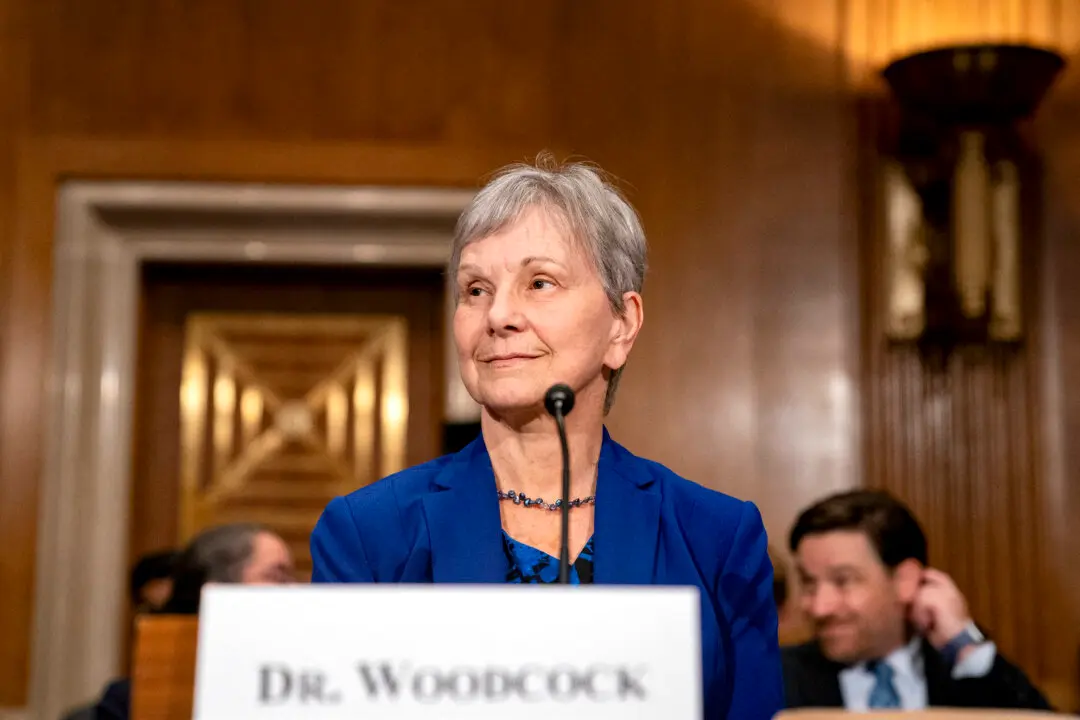
“Although causal claims cannot be made, the observed associations are consistent with influence of new FDA recommendations on clinical decisions,” Dr. Jeremy Faust, an assistant professor at Harvard Medical School, and Dr. Michael Barnett, a health professor at Brown University of Public Health, wrote in the new study.
“It is unknown whether the results reported reflect changes in patient demand or clinician decision making; nonetheless, they show the apparent power that public authority figures have to drive sudden changes in health-care practices.”
Andrew Nixon, a spokesman for the Department of Health and Human Services, the FDA’s parent agency, said in a post on X in response to the paper that “delivering a message about a specific neurological risk for babies is another example of our commitment to telling the truth about public health.”
Limitations of the study included the lack of information on Tylenol use outside of emergency rooms. Faust and Barnett said that because the records cover a substantial portion of the population, the findings “probably reflect general prescriber patterns and attitude.” They declared no conflicts of interest.
The jump may have led to a shortage of the drug, Faust, a frequent critic of the Trump administration, wrote on his blog.
Some manufacturers have run out of leucovorin and are waiting on new orders to arrive, according to the American Society of Health-Systems Pharmacists. In late 2025, the FDA said it was allowing the temporary importation of leucovorin tablets from Canada and Spain to address a shortfall in the United States.