The Federal Reserve may cut interest rates in September.
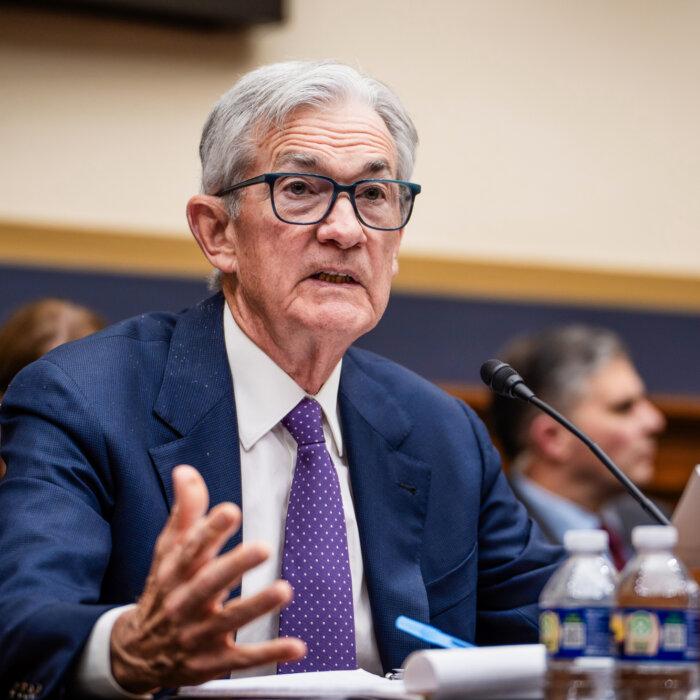
“With policy in restrictive territory, the baseline outlook and the shifting balance of risks may warrant adjusting our policy stance,” Powell said in prepared remarks.
Plans may change, he said, because “monetary policy is not on a preset course”—the central bank still has another jobs report and a batch of inflation numbers before next month’s Federal Open Market Committee meeting—but the financial markets are overwhelmingly betting on a quarter-point rate cut.
Understanding the Policy Rate
The federal funds rate (FFR) is the U.S. central bank’s chief policy rate. It is the primary interest rate at which banks lend money to each other overnight and applies to excess reserves held at the institution.The Fed uses the FFR as a tool to influence economic activity and manage employment, growth, and inflation. A higher rate is meant to slow down the economy and cool inflation, while a lower rate is designed to stimulate conditions. As a result, the policy rate can affect business, consumer, and government borrowing costs.

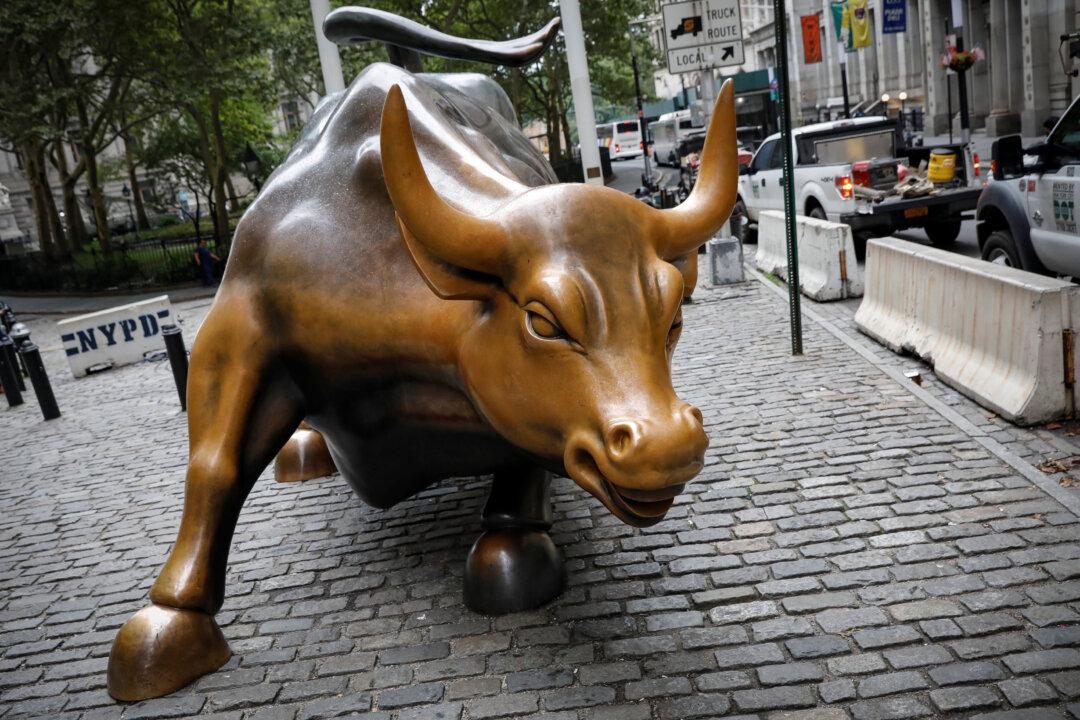
Bears and Bulls on Wall Street
Investors responded as Powell opened the door to a rate cut. The blue-chip Dow Jones Industrial Average increased by 846 points, or 1.89 percent, to a fresh all-time high. The broader S&P 500 tacked on 1.52 percent, while the tech-heavy Nasdaq Composite Index increased by almost 2 percent.“Fed Chair Jerome Powell’s dovish commentary from his annual Jackson Hole speech appeared to be exactly what the market wanted to hear,” Adam Turnquist, chief technical strategist for LPL Financial, said in a note emailed to The Epoch Times.
Wall Street favors lower interest rates because they reduce the cost of capital for companies. Additionally, lower rates on savings accounts and Treasury securities encourage retail investors to shift their money into the stock market, seeking better returns.
But can the rally persist? Turnquist alluded to “buyer fatigue” beginning to be reflected on the New York Stock Exchange.
Small Business Borrowing
Results from the latest RedBalloon–PublicSquare Freedom Economy Index survey, shared with The Epoch Times, show that rising costs and access to affordable capital have been the top concerns for small businesses.When interest rates decrease, it becomes more affordable for businesses to make equipment purchases, hire workers, or expand their operations.
Savings and CDs
When the Fed tightens monetary policy, it is more expensive for financial institutions to borrow money. To maintain liquidity levels and attract customer deposits, banks will typically raise rates on savings accounts. When the Fed lowers rates, banks will reduce savings rates.
Ultimately, the FFR can influence savings and cash deposit accounts. Experts suggest that banks may adjust their rates ahead of time, before the Fed takes action. However, if clients currently have a cash deposit account, the rate they signed up for is locked in.
Mortgages and Real Estate
The mortgage market is not directly tied to the Fed’s policy management. This is because mortgage rates closely track the U.S. Treasury market, particularly the benchmark 10-year Treasury, which is influenced by a wide range of factors, including monetary policy, fiscal concerns, demand for government bonds, inflation, and the broader economy.If lower rates become a reality, the broader real estate market could experience stimulus, as prospective homebuyers will have greater purchasing power. However, as borrowing becomes more affordable, demand tends to surge, bringing more buyers into the market. This heightened competition often drives up home prices, potentially offsetting the initial gains in affordability.
“All else equal, lower interest rates would lower the monthly mortgage payment and lead to a higher value of the [Housing Affordability Index] and greater affordability,” Federal Reserve Bank of Richmond economists said in a 2024 paper. “That said, it’s important to keep in mind that not all changes in the fed funds rate guarantee a move in the same direction in mortgage rates.”
Nevertheless, Jeffrey Roach, chief economist at LPL Financial, said the housing sector remains sensitive to interest rate fluctuations.
“As a major component within GDP, the housing market’s health is a key indicator of the broader economy,” Roach said in a note emailed to The Epoch Times.
Credit Cards
Credit cards are heavily influenced by the FFR. Credit annual percentage rates—the yearly interest rate borrowers pay if they carry a balance—are linked to the prime rate, which monitors the Fed’s policy rate.Like the Fed’s policy rate, credit card interest rates have stagnated, although they are slightly lower than they were a year ago.
However, a reduction in credit card rates might not lead to more consumption in the coming months, according to Torsten Slok, chief economist at Apollo Global Management.
“There are emerging signs of weakness in parts of discretionary spending in recent weeks,” Slok said in a note emailed to The Epoch Times.
Slok pointed to motor vehicles and parts, sporting goods, bookstores, clothing, and furniture, which he said are “sectors that are impacted by tariffs.”
Eyes on September
While data from the CME FedWatch Tool and the Federal Reserve Bank of Atlanta’s Market Probability Tracker suggest that Wall Street is overwhelmingly anticipating a rate cut, some market watchers warn that the Fed could stay on hold based on incoming data.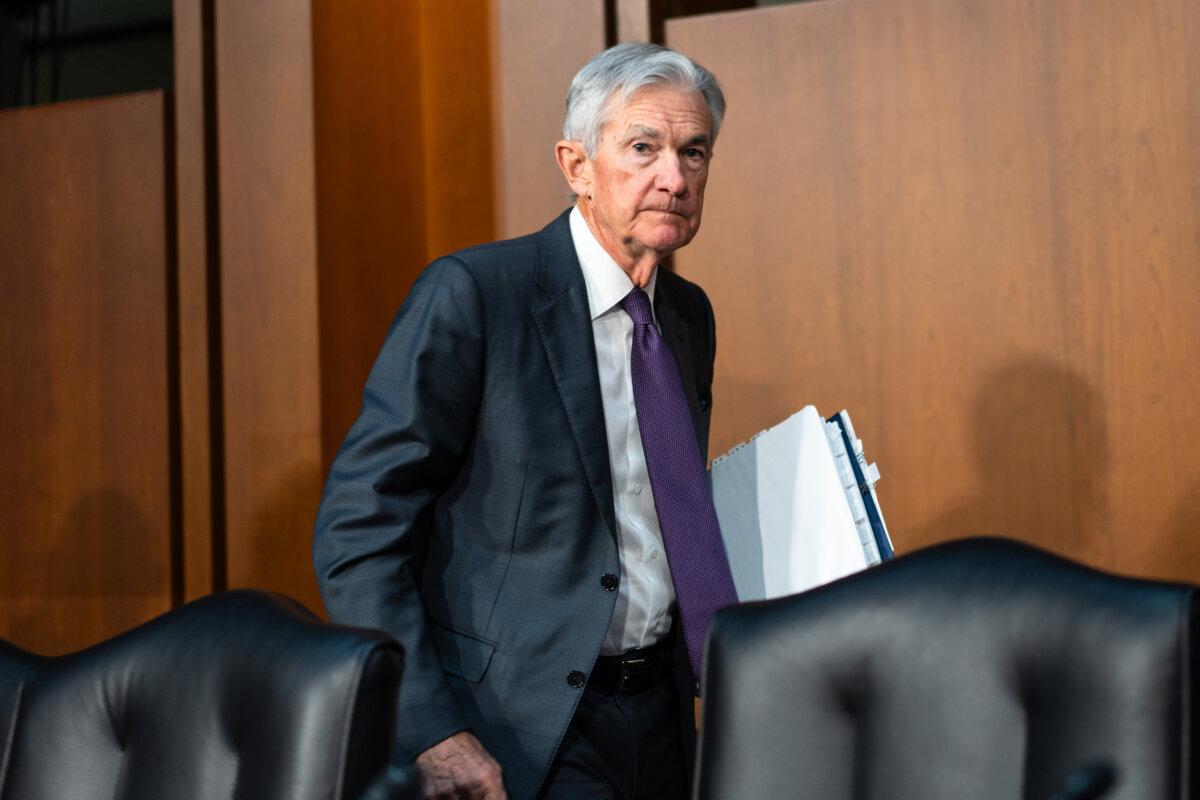
Ahead of the Fed’s two-day policy meeting on Sept. 16 and Sept. 17, the monetary authorities will review employment and inflation data.
“Any number that comes in hot will not bode well for those hoping for a definitive September cut,” Jay Woods, chief global strategist at Freedom Capital Markets, said in a note emailed to The Epoch Times.
“Coming into this week, we have heard several Fed officials discuss the importance of the data, and it won’t get much bigger than this when it comes to the inflation side of their dual mandate.”