A federal judge will determine within weeks what role states have in regulating pipelines, a ruling that could have profound implications for operators of more than 2.6 million miles of oil and gas pipelines in the United States—especially those within the 71 networks spanning the nation’s border with Canada.
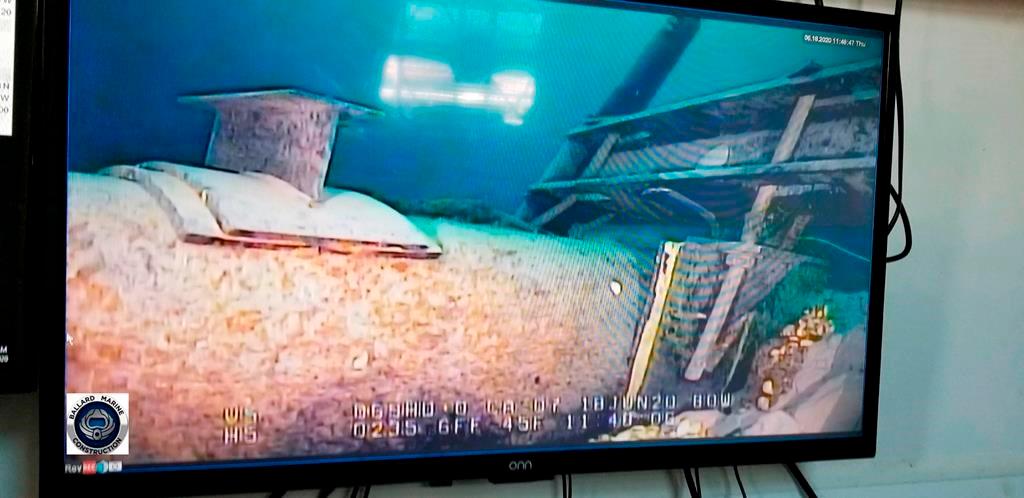
In 2019, Enbridge announced plans to encase a 4.5-mile segment of its Line 5 pipeline in a concrete tunnel at the bottom of the Straits of Mackinac, which link Lake Superior with Lake Huron and separate Michigan from Ontario at the Canada–U.S. border.
The $500 million pipeline tunnel is among planned improvements along Enbridge’s 645-mile Line 5 pipeline, which begins at the Superior Pipeline Hub in Superior, Wisconsin, crosses the border at Port Huron, Michigan, and ends in the Sarnia, Ontario, refinery.
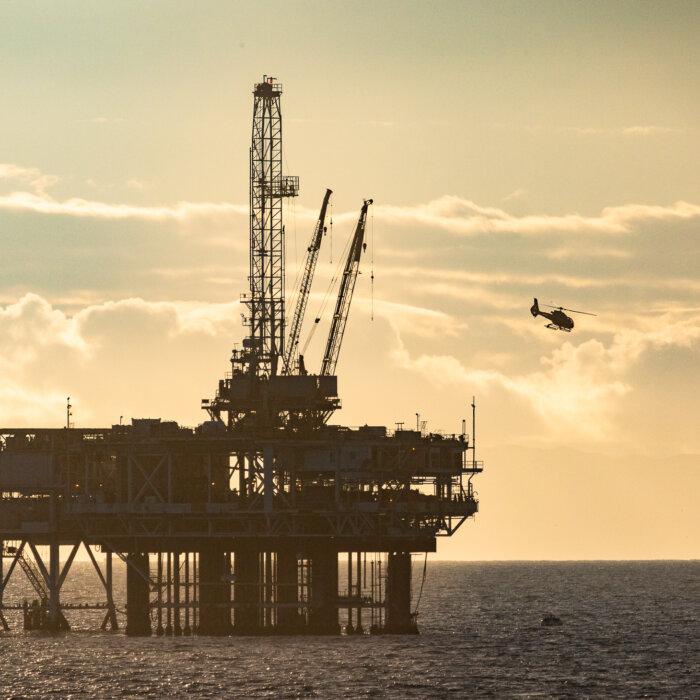

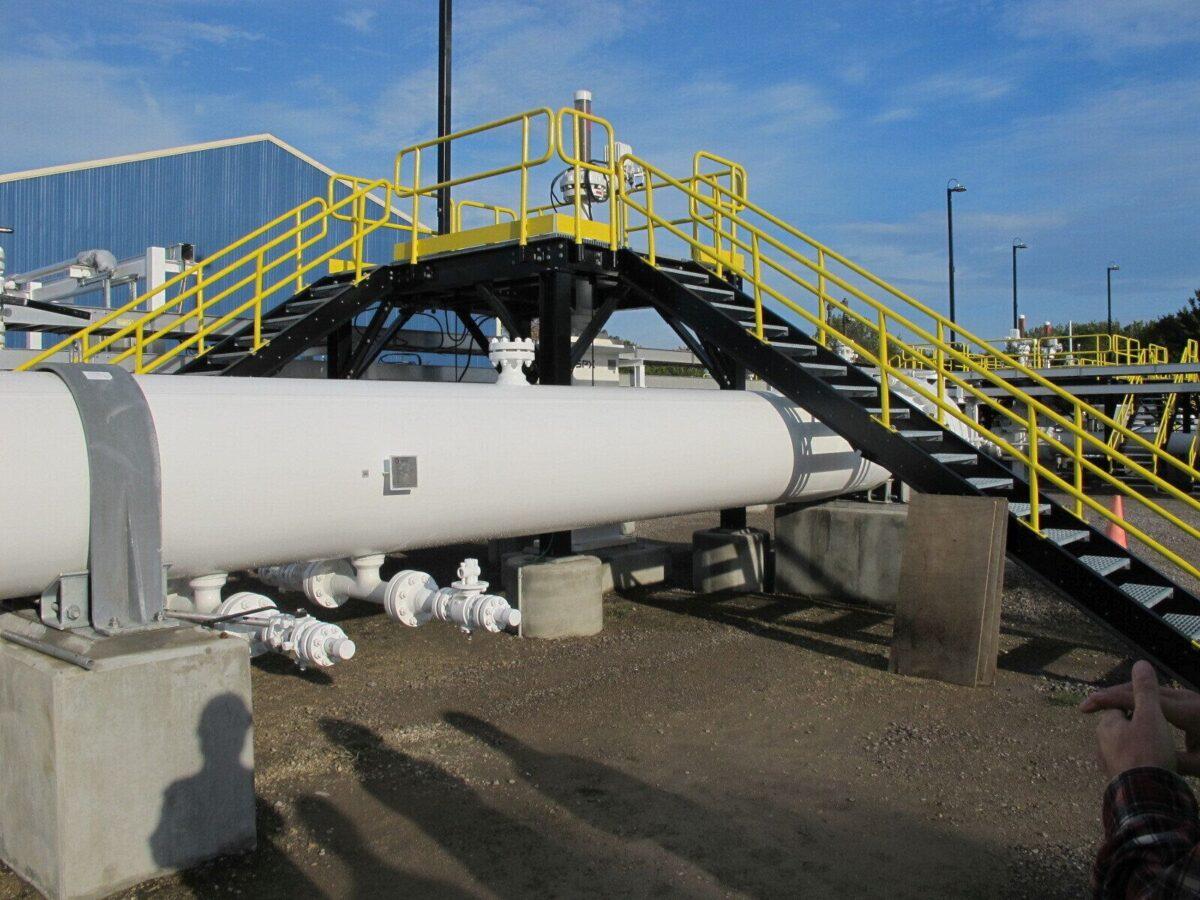
The cross-border pipeline, operating since receiving a state easement in 1953, carries up to 540,000 barrels of light crude oil, light synthetic crude, and natural gas a day through its two 20-inch lines.
Multi-Jurisdictional Sparring
In 2019, Nessel filed a state suit to halt Enbridge Energy’s tunnel plan. In November 2020, Whitmer ordered that state regulators revoke the 1953 lakebed easement and ordered the pipeline crossing shut down by May 2021.Enbridge filed a federal lawsuit seeking to invalidate the order and petitioned to have the case heard in federal courts.
But Nessel then filed another state suit alleging that the pipeline violates three Michigan laws, leading to another round of precursory jurisdictional determinations.
The department’s brief argues that Whitmer’s order is an attempt to “globalize” Michigan’s regulatory authority and clash with the federal government’s goal of maintaining the flow of energy between the United States and Canada, as stipulated by U.S. President Donald Trump in a series of executive actions and policy directives.
Only the federal government can regulate pipeline safety, federal attorneys maintain, and allowing states to be the ultimate arbiter would create an untenable patchwork of regulations.
“Shutting down Line 5 could disrupt the energy supply chain, increase domestic prices, and enhance the economic and political power and leverage of malign foreign actors worldwide,” department attorneys wrote.
‘An Exception to Preemption’
The oral arguments before Jonker were similar to those made during a four-hour Jan. 27 hearing in Nessel v. Enbridge in front of Ingham County Circuit Judge James Jamo in Mason, Michigan. Only Enbridge and state attorneys addressed the bench.Enbridge attorneys maintain that Michigan’s claims are preempted by the Pipeline Safety Act, the 1977 U.S.–Canada Transit Pipelines Treaty, and the Federal Foreign Affairs doctrine.
Under the Pipeline Safety Act, they insist, the U.S. Department of Transportation’s Pipeline and Hazardous Materials Safety Administration has exclusive regulatory authority in ensuring that pipelines meet safety and environmental standards.
According to Enbridge, a Line 5 shutdown would mean that refineries in Ontario, Quebec, Michigan, Ohio, and Pennsylvania would receive 45 percent less crude oil than they require.
While state and local regulators have land-use jurisdiction over siting pipelines, once built, they cannot impose retroactive safety restrictions, which Michigan is doing to Line 5, according to the Enbridge attorneys.
State attorneys said enforcing the state’s public trust doctrine, statutory public nuisance provisions, and the Michigan Environmental Protection Act has nothing to do with pipeline safety standards.
Michigan maintains that Enbridge has to prove why it should not be subject to state law and show a relevant federal statute preempting these state laws, rather than needing “to show an exception to preemption.”