
A federal judge on Aug. 13 vacated a rule that lets employers with religious objections opt out of an Affordable Care Act requirement that states that the employers’ insurance should cover abortion and contraceptives.
Judge Wendy Beetlestone of the U.S. District Court for the Eastern District of Pennsylvania said the rule, and a similar rule relating to moral objections, both of which were put into place in 2018 during the first Trump administration, were arbitrary and capricious, and in violation of federal law.
Beetlestone analyzed the rationale for enacting the rules, including a reliance on the Religious Freedom Restoration Act (RFRA)—a law that bars the government from “substantially [burdening] a person’s exercise of religion” unless certain exceptions are met—and concluded that it did not support the rule.
She ruled against the federal government and in favor of Pennsylvania and New Jersey, which sued over the rules, and vacated them.
The White House declined to comment.

A spokesperson for the Office of the New Jersey Attorney General told The Epoch Times in an email: “We are gratified that a federal court has agreed with us that the Trump Administration violated the law by exempting certain entities from the requirement to provide health insurance coverage for contraceptives.”
Lawyers for Little Sisters of the Poor—a Catholic organization that is a defendant-intervenor in the case—decried the decision.
“It’s bad enough that the district court issued a nationwide ruling invalidating federal religious conscience rules.
“But even worse is that the district court simply ducked the glaring constitutional issues in this case, after waiting five years and not even holding a hearing. It is absurd to think the Little Sisters might need yet another trip to the Supreme Court to end what has now been more than a dozen years of litigation over the same issue. We will fight as far as we need to fight to protect the Little Sisters’ right to care for the elderly in peace.”
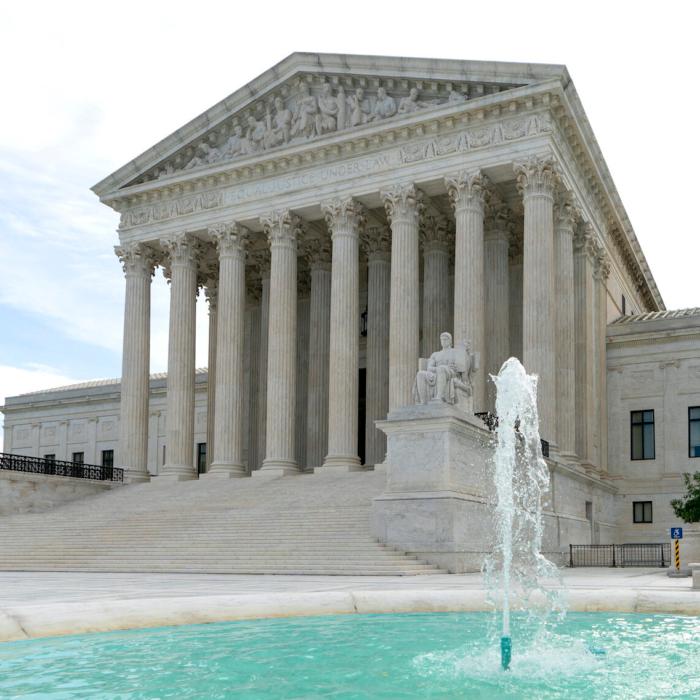
The most recent previous ruling on the matter came in 2020.
“The plain language of the statute clearly allows the Departments to create the preventive care standards as well as the religious and moral exemptions,” he wrote.
In the decision, which dealt with a consolidation of cases, the majority also wrote that the departments could consider the RFRA when issuing rules.
The court did not take up the question whether the agencies complied with federal requirements that actions not be arbitrary or capricious, although Justice Samuel Alito said in a concurring opinion that the departments did not act arbitrarily or capriciously.
The court sent the cases back to the lower courts.
Beetlestone said on Aug. 13 that “with the Final Rules still in place, the matter was ripe for resolution.”