“We are strengthening American energy security while ensuring the sage-grouse continues to thrive,” said acting bureau chief Bill Groffy. “Healthy sagebrush country powers our communities, sustains wildlife, and supports the economies that make the West strong.”
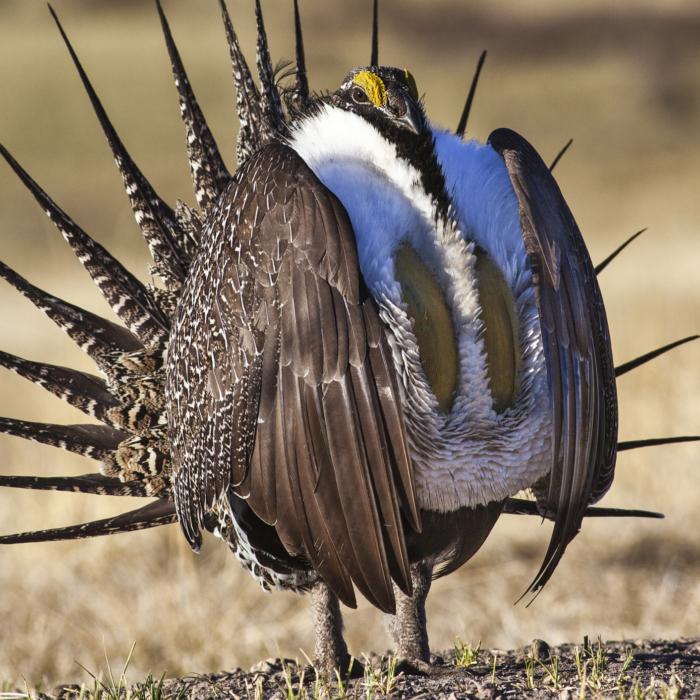
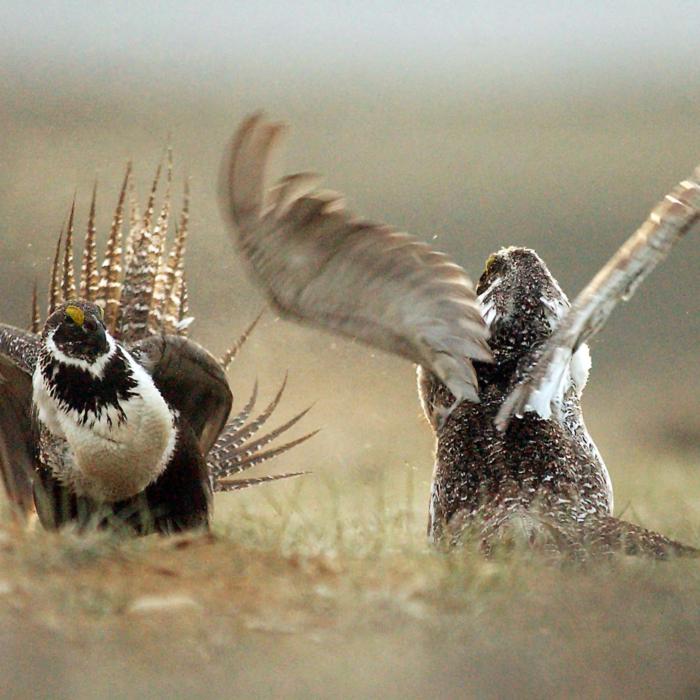
The chubby chicken-like wild bird known for elaborate mating dances has been center stage for over a decade as environmentalists and oil and gas producers spar over public land use. One environmental organization immediately vowed to sue the agency over the updated plans.
The greater sage-grouse was deemed eligible for protection under the Endangered Species Act in the early 2010s. Instead of listing the bird as officially threatened or endangered, federal officials decided to adopt revised land management plans in 2015 that protected the bird from oil drilling and other extractive industries in 10 states.
The Bureau’s updated plans make more acres available to industry in some areas than the 2015 plans, while also protecting key habitats. The plans also support the Trump administration’s “Unleashing American Energy” directive and the Interior Department’s orders to advance national energy independence, according to the agency.
The updates will affect lands in Idaho, Montana, North Dakota, South Dakota, Nevada, California, Utah, and Wyoming.
Idaho Gov. Brad Little welcomed the move.
Environmental groups have consistently sued the federal government over development on sage-grouse territory, driving the agency to adopt strict regulations and close off more public lands from the oil industry.
The Center for Biological Diversity alleged the new update will strip protections for the wild bird and vowed to take the Trump administration to court.
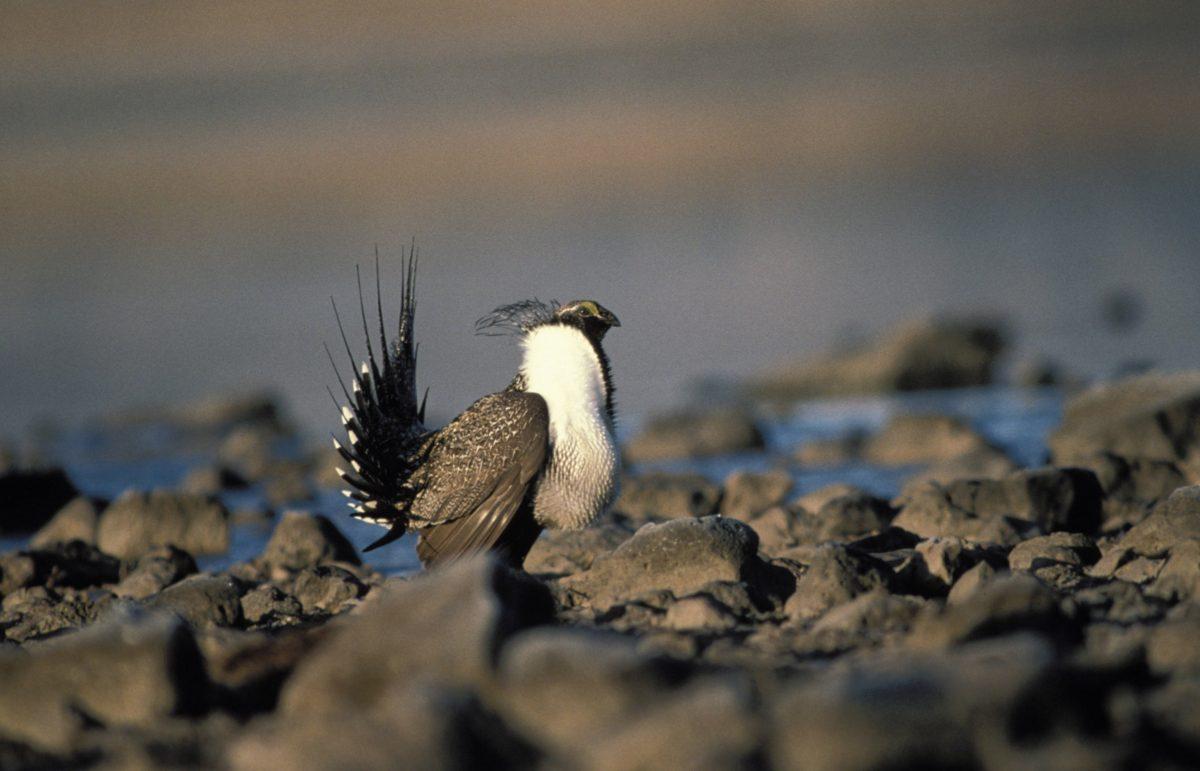
According to the organization, the new plans remove protections from 4.3 million acres of prime sage-grouse habitat and reduce the amount of protected habitat in Utah. Other changes, the group stated, include allowing the construction of the Greenlink North transmission line in Nevada, which the group said would destroy nesting and mating grounds.