A divided federal appeals court on July 15 upheld a West Virginia law that bans an abortion drug called mifepristone in most situations.
A majority of a U.S. Court of Appeals for the Fourth Circuit panel said that the West Virginia statute, the Unborn Child Protection Act, is not preempted by a 2007 federal law that outlined how the Food and Drug Administration exercises its authority over approved high-risk drugs.
That ruling, known as Dobbs v. Jackson Women’s Health Organization, gave states back the ability to restrict, or not restrict, abortion.
“We take no position on the wisdom or folly of West Virginia’s abortion law,” Wilkinson added later. “As Dobbs makes clear, that judgment belongs with the people and their elected representatives. One can of course agree or disagree with the Dobbs decision. But that is not the point. At a time when the rule of law is under blunt assault, disregarding the Supreme Court is not an option.”
West Virginia’s attorney general, who defended the law in court, did not respond to a request for comment by publication time.

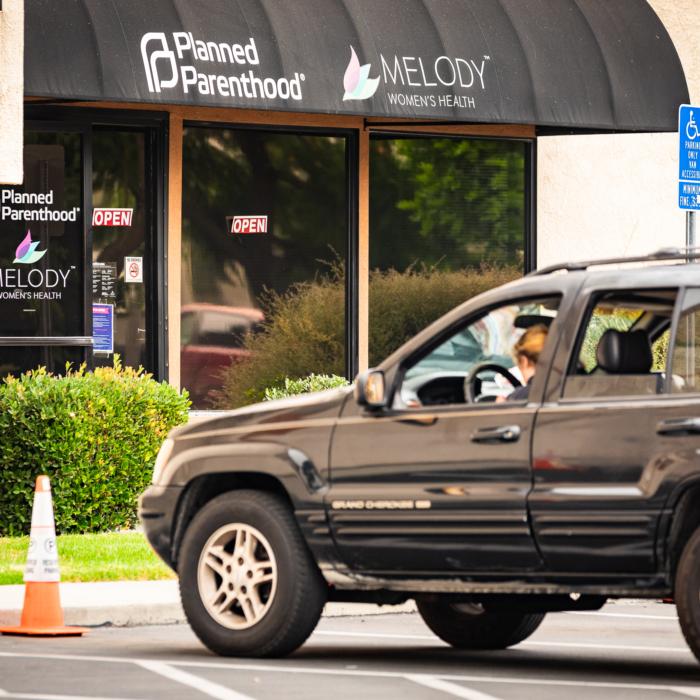
GenBioPro, a company that makes a generic form of mifepristone, sued West Virginia in 2023 over the Unborn Child Protection Act, arguing the law was preempted by the Food and Drug Administration Amendments Act of 2007. Congress, in that law, enhanced the ability of the FDA to exercise authority over certain drugs, including mifepristone, through risk evaluation and mitigation strategies.
A federal judge turned down the challenge, finding that the state law was “a restriction on the incidence of abortion, rather than a state directive in direct conflict with the logistical [federal] regulations.”
GenBioPro then appealed, resulting in Tuesday’s decision.
Circuit Judge DeAndrea Gist Benjamin said in a dissent that the federal statute does preempt West Virginia’s law.
The state law “particularly encroaches on the federal government’s regulatory authority by criminalizing medical professionals for prescribing a medication that they are otherwise federally certified to prescribe,” she wrote.
“By criminalizing medical providers and prohibiting medication abortions, then, West Virginia has exceeded the ability to regulate abortion as established in Dobbs and has trespassed on the FDA’s authority to regulate the safe use of and unburdened access to mifepristone,” she added later.