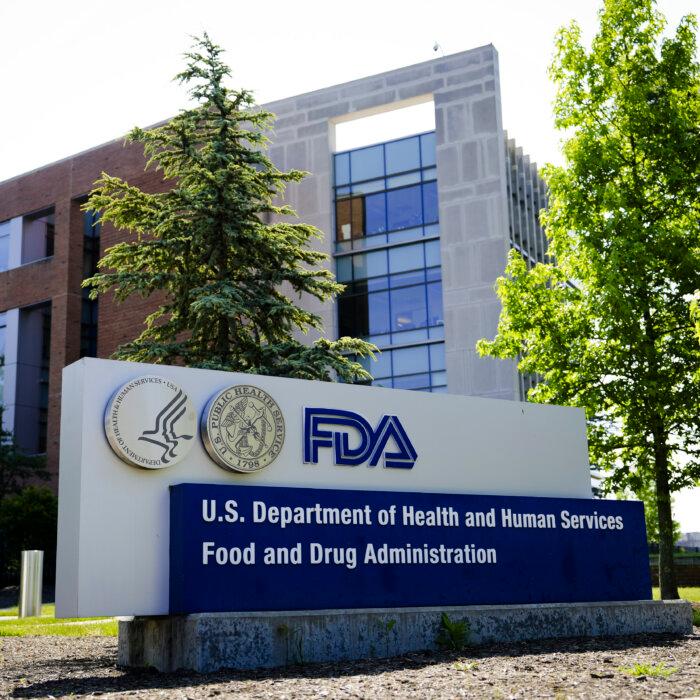
The U.S. Food and Drug Administration (FDA) on June 16 issued a series of warning letters to telehealth companies for promoting compounded weight-loss and diabetes drugs with “false and misleading” claims.
The agency said it had sent 25 warning letters to telehealth companies such as Ready Med, Maximus Health, and Medica Weight Loss over claims that their compounded GLP-1 drugs had been evaluated for safety.
“Unlike FDA-approved drugs, these products have not been proven to be safe, effective, or of consistent quality,” the FDA said in a post on X.
According to the letters, the companies had falsely claimed on their websites that their compounded versions of semaglutide and tirzepatide products were FDA-approved or had been evaluated for safety, while some displayed misleading labels suggesting they compounded those drugs.
Semaglutide, a GLP-1 receptor agonist, is the active ingredient in Ozempic approved to treat Type 2 diabetes and in Wegovy for chronic weight management.
Tirzepatide, a dual GIP and GLP-1 receptor agonist, is the active ingredient in Mounjaro, which marketed for treating Type 2 diabetes, and Zepbound for chronic weight management.

The FDA said that some companies claimed their compounded drugs were sourced from FDA-approved compounding facilities, even though such facilities are not licensed by the regulator.
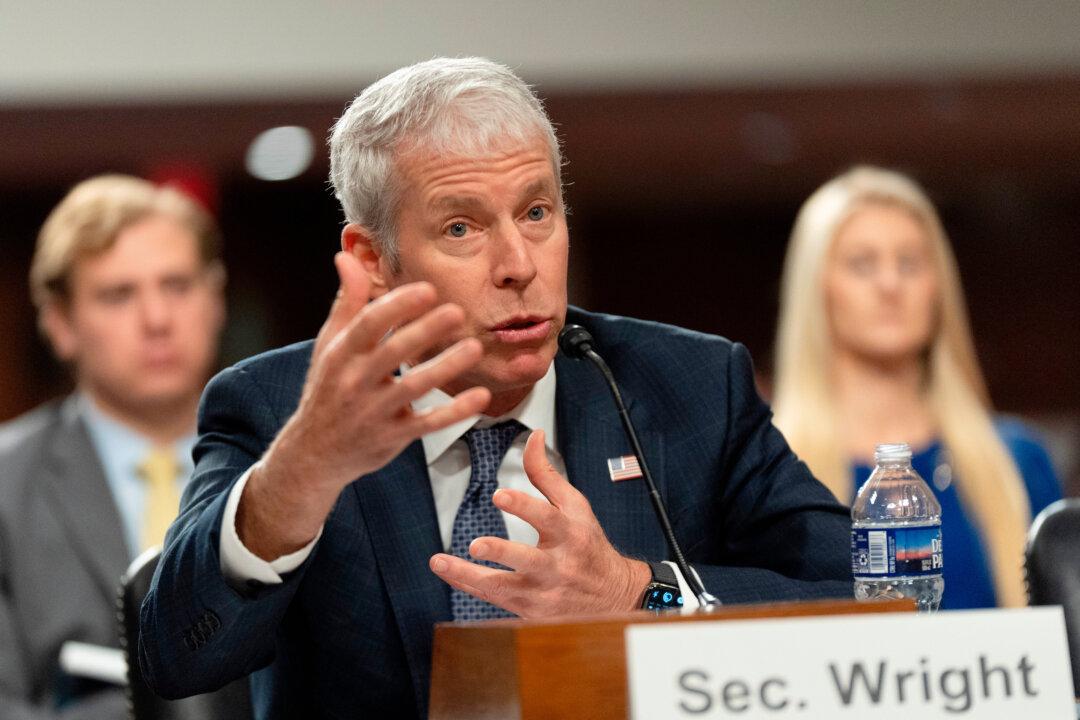
Michael Davis, acting director of FDA’s Center for Drug Evaluation and Research, said the warnings aim to protect consumers from false and misleading claims about compounded medications.
“Patients deserve to know what they’re getting—compounded GLP-1 products have not been proven safe, effective, or of consistent quality like FDA-approved drugs,” Davis said in a post on X. “We will continue holding companies accountable.”
Drug compounding is a practice of a licensed pharmacist combining, mixing, or altering a drug’s ingredients to create a medication tailored to the needs of a patient when FDA-approved medications are not suitable. The FDA said that while compounded drugs can help meet the medical needs of certain patients, they may also pose risks.
In April, the FDA proposed excluding semaglutide and tirzepatide from the list of bulk drug substances that outsourcing facilities may use in compounding after finding “no clinical need” for such facilities to compound them from bulk substances. The proposal also covers liraglutide for chronic weight management.
According to the regulator, outsourcing facilities cannot compound drugs from bulk drug substances unless the substance is on the list, or the compounded drug is on the FDA’s shortage list “at the time of compounding, distribution, and dispensing.”
The FDA said it is seeking public comments on the proposal through June 29.