Federal regulators are going to ease limits on a dozen substances favored by wellness influencers, Health Secretary Robert F. Kennedy Jr. said on April 15.
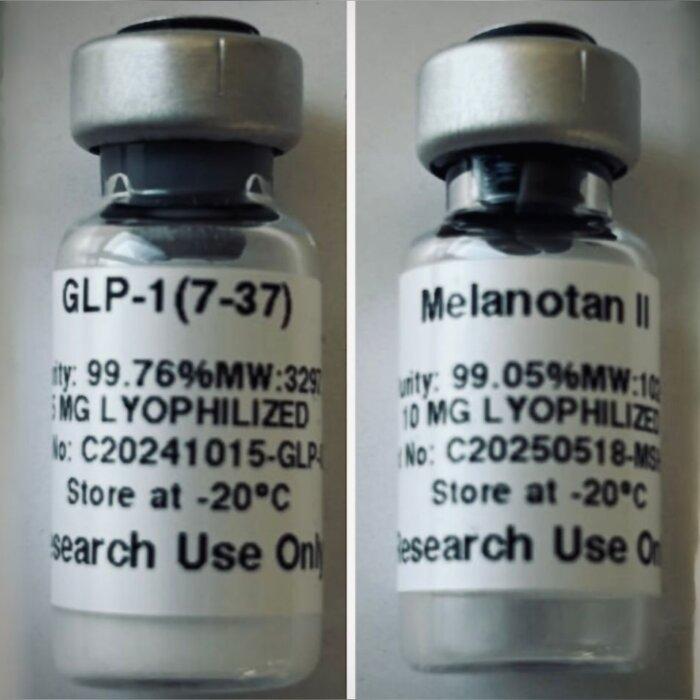
Regulators will be removing 12 peptides from a list of substances that cannot be manufactured by compounding pharmacies, Kennedy wrote on X. The peptides include BPC-157 and Melanotan II.
“Today, we took long-overdue action to restore science, accountability, and the rule of law,” Kennedy said.
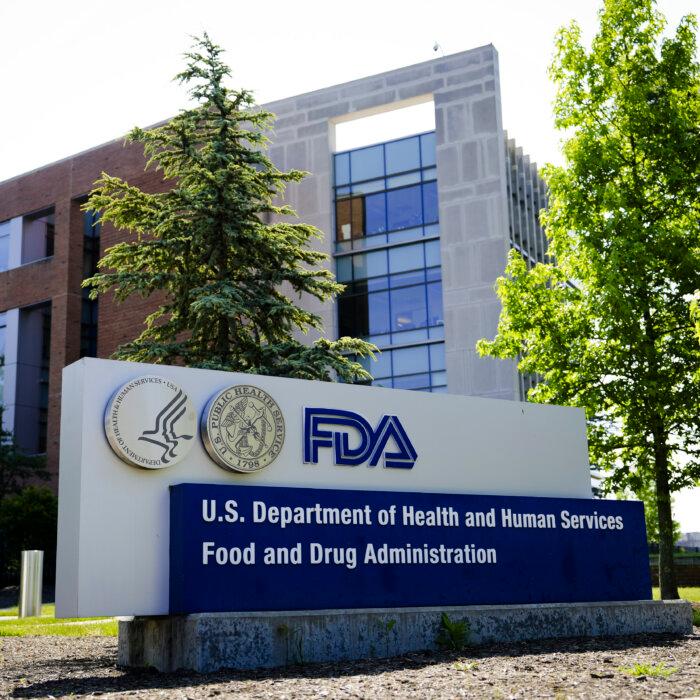
Separately, the Food and Drug Administration (FDA), which Kennedy oversees, filed a notice announcing meetings in July to discuss seven of the peptides, including BPC-157, for health issues such as chronic bowel disease and obesity. Regulators also said they would meet at a future time to go over the other five peptides named by Kennedy.
The meetings will involve the FDA’s Pharmacy Compounding Advisory Committee, which has only four members at present and six vacancies.
Peptides are molecules that contain amino acids, and include approved products such as insulin, as well as unapproved products.
Compounding refers to doctors and pharmacists creating customized medicine by combining, mixing, or altering ingredients.
The FDA in 2023 labeled more than a dozen peptides, including BPC-157 and KPC, as substances banned for compounding. Officials cited a lack of information on the peptides, and said available information indicated “significant safety risks” for some.
Kennedy said during an appearance on The Joe Rogan Experience this year that he is “a big fan of peptides” and that he has used them himself with good results.
Kennedy said the ban was illegal because regulators are not supposed to ban substances for compounding absent a safety signal, and the regulators did not identify a safety signal.
Dr. Marty Makary, FDA commissioner, when addressing peptides on a podcast with Gary Brecka in late 2025, said, “We have to use some common sense, and the peptide world is a very large bucket, so we have to sort of review different groups and subgroups and ask ourselves what is harmless, been out there for a long time, and already has an established safety profile.”
Some pharmacists had asked officials to allow compounding of certain peptides.
Rep. Diana Harshbarger (R-Tenn.), a pharmacist, wrote to Kennedy and Makary in November 2025, expressing the view that there was enough clinical evidence to support allowing the compounding of BPC-157 and five other peptides.
“FDA policy significantly restricts compounding of these peptides—even where no FDA-approved alternative exists—leaving patients without safe, regulated access,” she said at the time. “This has driven patients to seek unregulated gray-market sources, exposing them to preventable risks.”
Others have expressed concern about the products.
“It blows my mind that so many people, including our secretary of Health and Human Services, want to inject themselves with untested drugs without human data to inform safety and benefits just because they are ‘peptides,’” Dr. Karl Nadolsky, who is based in Michigan, said in a recent post on Instagram.
He added later, “These are injectable drugs that need full evaluation of their safety and benefits in humans before people should start just randomly injecting themselves because online influencers are selling them.”