This copy is for your personal, non-commercial use only. Distribution and use of this material are governed by our Subscriber Agreement and by copyright law. For non-personal use or to order multiple copies, please contact The Epoch Times Reprints.
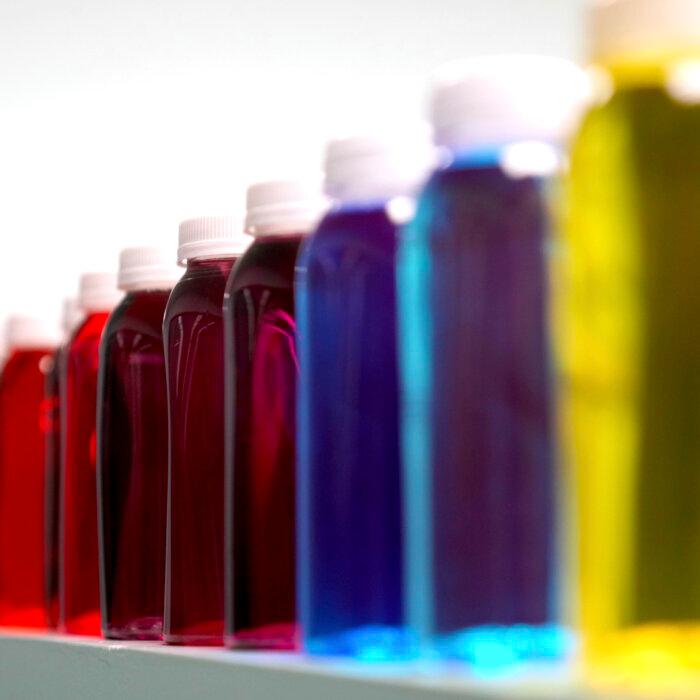
The Food and Drug Administration (FDA) announced on July 14 that it approved a petition to use blue coloring derived from a plant in foods and beverages.
Regulators said they granted a petition from Gardenia Blue Interest Group to use the color gardenia blue in various foods and drinks.
“By expanding the palette of available colors derived from natural sources, food manufacturers have a variety of options available that will make it easier to end their use of petroleum-based dyes,” FDA Commissioner Dr. Marty Makary said in a statement.
“Every day, children are exposed to synthetic chemicals in food that serve no purpose and threaten their health,” Health Secretary Robert F. Kennedy Jr. said in the statement. “The FDA’s approval of gardenia blue shows we’re finally putting kids first.”
Companies can use nine dyes in foods and drinks that come from synthetic sources such as petroleum. The FDA in January said it was banning one of the dyes, Red No. 3, beginning in 2027. Officials announced in March that they were banning two other artificial dyes—Citrus Red No. 2 and Orange B—at the end of 2026.
For the other synthetic dyes, officials chose not to impose bans but instead work with companies to promote their replacement. A number of companies, including General Mills and Nestle, have since committed to phasing the dyes out of their products.
The FDA in May approved two new natural color additives: Galdieria extract blue, a color derived from an algae, and calcium phosphate, a white color that comes in powder form. The agency also expanded approval of a third natural dye, butterfly pea extract. Drawn from dried flower petals, the additive can produce blue, purple, and green colors.
Federal law states that the FDA must approve additives before they can be used in foods and drinks. FDA officials review information, such as toxicology data, to decide whether to approve a petition. Once a petition for a new additive is approved, any company can use the coloring in question.
The new approval came several days after the Consumer Brands Association, which represents manufacturers, said it was voluntarily committing to encourage food and beverage makers to remove the artificial dyes from products served in schools by the start of the 2026–2027 school year.
“While these safe ingredients are supported by scientific evidence and a longstanding history of approval by the FDA, the industry recognizes preferences are evolving and is innovating to meet families where they are,” Melissa Hockstad, president and CEO of the association, said in a statement.
“Representing the makers of America’s trusted brands, an industry supporting more than 22 million American jobs, we will continue to work with the administration to achieve federal uniformity on these critical consumer safety and transparency issues.”