
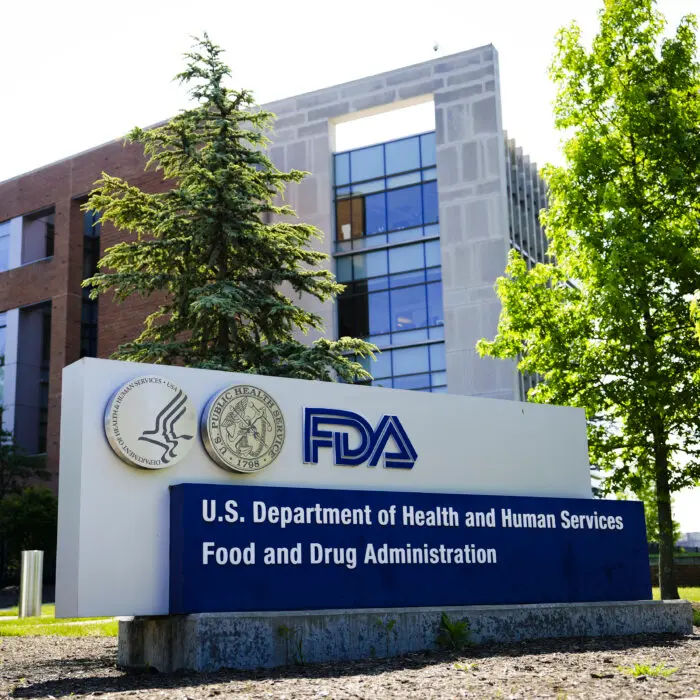
The Food and Drug Administration (FDA) program will feature real-time clinical trials or FDA staffers monitoring trials in real-time.
“For the last 50 years, the medical profession has sadly grown to accept a 10 to 12 year timeframe for new drugs to come to market,” Dr. Marty Makary, FDA commissioner, told reporters in Washington. “And as a result, patients are getting drugs in a delayed fashion when they could be getting them sooner.”
Drugs are typically tested in early clinical trials, known as phase one trials. If they do well, they are tested in phase two and phase three trials.
Makary said the program targets “dead time,” or about half the time between the launch of phase one clinical trials and applications to the FDA at the end of the trial. That time consists of paperwork and other tedious tasks and is repeated in later trials, according to the commissioner.
The real-time monitoring is “a critical step toward a broader goal that we have of seeing no lag time between the phases of clinical trials,” Makary said.
Two real-time clinical trials have already started, officials said. AstraZeneca started a phase two trial evaluating a treatment for mantle cell lymphoma. Amgen launched a phase one trial for a treatment for small-cell lung carcinoma.
FDA officials have already received and validated safety data from AstraZeneca through Paradigm Health, which established the feasibility of a framework for real-time sharing of information from trials.
The work involves defining criteria for safety signals with the drugmaker, the company partnering with a technology firm, and those companies providing real-time information on the signals to the FDA, the agency’s chief artificial intelligence officer, Jeremy Walsh, told reporters.
“We have those signals coming in live,” he said. “We see them. We understand what’s happening on the trial.”
Amy McKee, a senior vice president at AstraZeneca, said that the program helps move data as quickly as possible “to accelerate our ability to bring new therapies to patients to make a meaningful difference in their lives.”
The deadline to provide comments is May 29. The FDA plans to start the pilot program over the summer after receiving comments.