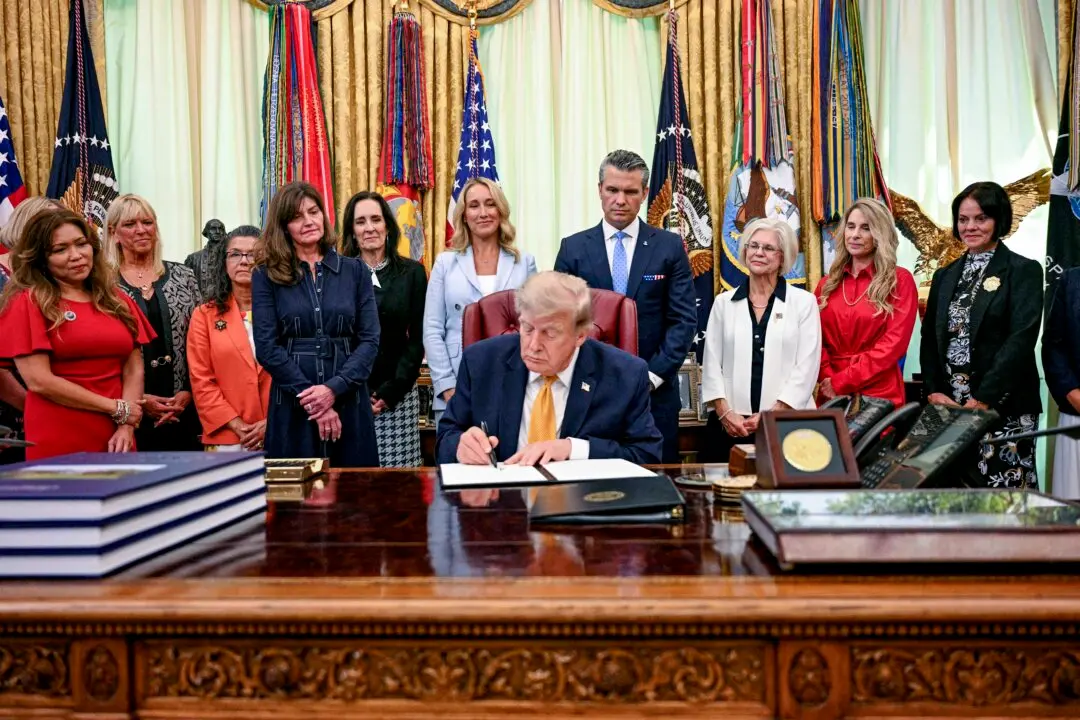

WASHINGTON—The ninth director of the FBI, Kash Patel, led the quickest and largest overhaul in agency history over the past 14 months, with generational changes to its core operations.
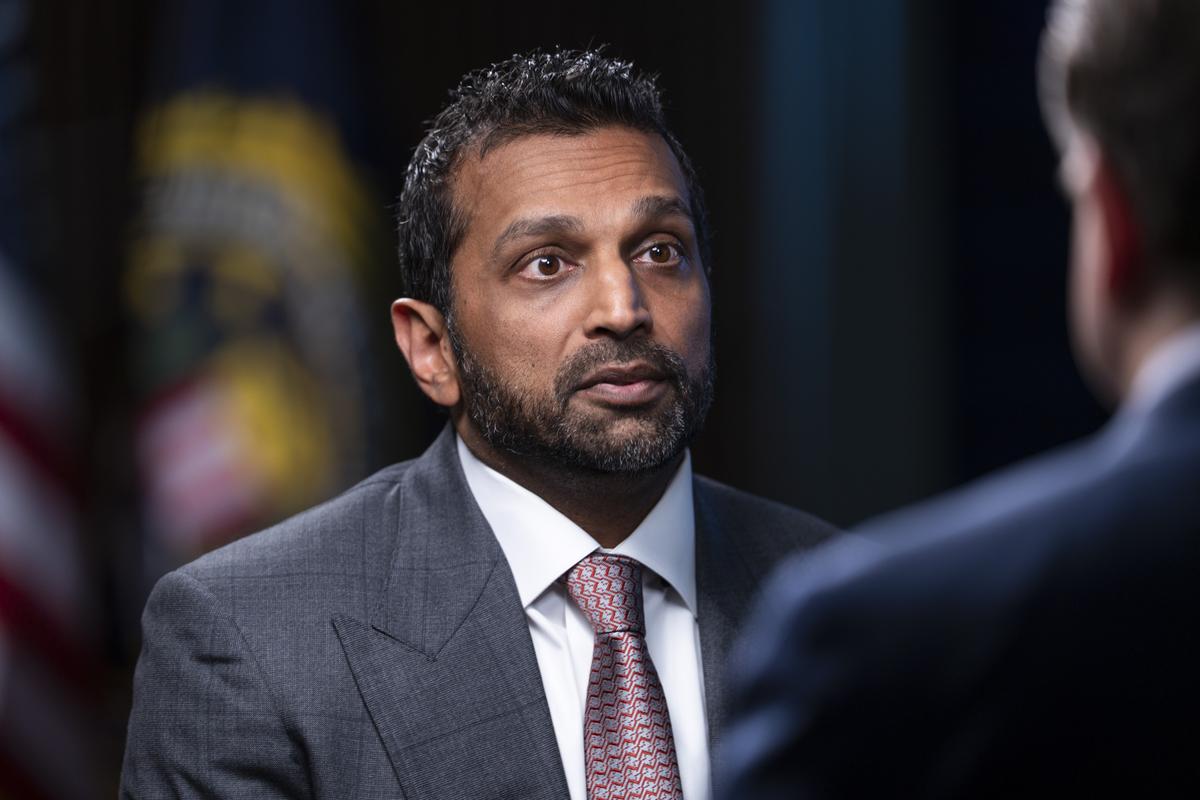
“We saw a lot of flaws with how law enforcement was rolling out and how it was weaponized, and we said, ‘OK, we’re going to restore the credibility and trust with the American public of the FBI,” Patel told Jan Jekielek, host of “American Thought Leaders,” on a recent episode aired on EpochTV.
“That’s what I can help control.”
The director sent an internal email outlining the many reforms, shared with The Epoch Times, describing the nearly 2,100-word message as the longest he’s ever shared with staff.
An entire rebuild of the bureau’s information technology infrastructure helped standardize access to tools available to agents nationwide. Previously, offices in various locations were operating with different systems, which made intelligence sharing challenging.
“Everybody thinks the FBI is running around like ‘CSI,’ and we just weren’t,” Patel said.

Other efforts included simplifying the agency’s Domestic Investigative Operations Guide, reducing the size of the lengthy book by about 40 percent.
New guidelines were developed by studying needs and opportunities for improvement observed by agents.
“Most importantly, we listen to the field,” Patel said.
He oversaw changes that some in the agency had been working on for decades.
“Why they weren’t made before, you’ll have to ask prior leadership, but we didn’t have time to waste,” Patel said.
Headquarters moved from the aging J. Edgar Hoover building to the Ronald Reagan Building and International Trade Center down the street on Pennsylvania Avenue. The operational command-and-control center was rebuilt to include “real-time situational awareness” and advanced communication technologies that cut executive-level production times from hours to approximately 20 minutes.
Harnessing Technology
Intelligence gathering efforts now involve AI integration in classified and unclassified areas, used to improve the quality and understanding of voluminous amounts of gathered data.
“Data that’s collected at the rate we’re collecting it is useless if you can’t triage it, and we’re not replacing the human component to it, but to keep up with the adversary and the amount we’re collecting, we are ingesting AI from various private sector partners ... so agents in the field can immediately get to work,” Patel said.
Relationships between the FBI and executives at tech companies and other industries were established for the first time, giving agents access to deepfake detection, facial recognition, foreign language analyses, and other new investigative technologies.
When a tip came in about a person in North Carolina threatening to “massacre a preschool,” the FBI used advanced integration to arrest the suspect in March before he acted.
Technological improvements also include the adoption of AI to streamline administrative tasks.
“We’re using AI to take care of our workforce, make their tenure at the bureau as good as it can be, and also take care of them on the way out when they retire,” Patel said.
Retiring agents can now keep their service revolvers, whereas previously they were “seized and melted down, which made no sense to me,” Patel said.
Cutting bureaucratic red tape, a hallmark of President Donald Trump’s administration, is one of the director’s priorities.
“The administrative bureaucracy at this agency was completely out of control. Nobody bothered to actually fix the problem,” Patel said, rejecting prior administrations’ attempts as “put[ting] a Band-Aid on it.”
“After you put on 50, 60 Band-Aids on the same issue, it becomes an epidemic.”
Regional Command Structure
About a third of the bureau’s staff were located within 50 miles of the nation’s capital, according to the director.
“That’s just illogical at every level to me,” he said, noting he moved 1,500 employees from offices in Washington to field work around the country, including 500 positions at Redstone Arsenal in Alabama.
More agents in the field let the bureau better track threats on the ground, according to the director’s message.
Special agents in charge are now given more authority to deputize—a process that took months before—and to control operations, with headquarters acting in a supporting role, allowing local knowledge and intelligence to guide operations.
Agency leadership is advancing partnerships with state and local law enforcement agencies around the country.
“The relationships have literally never been better, and that’s because of our investment in them and the things that they are asking for,” Patel said.
Reforms Driving Results
Collaborations resulted in a June takedown of 35 gang-related suspected drug dealers in West Virginia, where agents processed fingerprints and DNA on site and cross-referenced national databases to identify individuals, execute search warrants, and charge people with crimes.
“Our joint operations are what get it done,” Patel said. “But we need local and state officers to come in.”
Efforts to expedite onboarding of new task force officers reduced wait times from 14 months to a maximum of 60 days after submitting an application.
Applicants for the National Academy, the FBI’s 10-week training program held at the agency’s Quantico, Virginia, headquarters, also routinely faced long waits for the program, held four times a year. Leadership reduced delays by screening applicants and increasing class sizes from 250 to 300.
“For the first time ever, we’re seeing the largest applications to be employed at the FBI in the FBI’s history, and our numbers are finally back up,” Patel said.
New cryptocurrency seizure protocols ensure timely seizure, with investigators following the money to uncover fraud and illicit funds.
Leadership also migrated the agency’s financial systems to a cloud network to improve security and reduce costs. A review of contracts resulted in more than $300 million saved, and other upgrades to covert expense payments helped cut $1 million in future expenses.
Rewards for information leading to the arrest of the FBI’s 10 most wanted fugitives increased from $250,000 to $1 million, incentivizing leads from the public.
The director highlighted successes, including a 20 percent drop in opioid deaths and a 55 percent jump in espionage arrests since he took over the bureau, while committing to further improvements.
“This is our priority at the FBI: fentanyl, violent crimes against children, cyber initiatives, and the fugitives that are doing the most harm and seeking safe haven around the world,” Patel said. “And on each one of those four, we’re getting actual deliverables for the American people.”