“These networks use threats, blackmail, and manipulation to coerce or extort victims into producing, sharing, or live-streaming acts of self-harm, animal cruelty, sexually explicit acts, and/or suicide,“ the FBI stated. ”The footage is then circulated among members of the network to continue to extort victims and exert control over them.”
Bongino wrote on X: “We are hunting down the members of the 764 network with unprecedented arrest numbers, and a tireless focus on developing new investigative leads with our state, local, and global law enforcement partners.
“We will not allow them to target our children.
“You cannot hide behind a keyboard.”
Members “often conduct coordinated extortions of teenagers, blackmailing the victims to comply with the group’s demands.”
On Nov. 20, a federal grand jury indicted a 20-year-old member of the 764 network over allegations that the person persuaded and coerced three minor females to engage in sexually explicit conduct.
The FBI stated: “Victims are typically between the ages of 10 and 17 years old, but the FBI has seen some victims as young as 9 years old. These violent actors target vulnerable populations to include children as well as those who struggle with a variety of mental health issues, such as depression, eating disorders, or suicidal ideation.”
Malicious actors groom their targets by establishing trusting, romantic relationships with victims.
Protecting Children
In a Dec. 12 FBI podcast, Supervisory Special Agent Abbi Beccaccio, who oversees specialized child sexual exploitation investigations, said the members of violent online networks get their victims to engage in horrific activities because of “their underlying desire to sow chaos.”“Essentially, they want to target the most vulnerable populations, and in doing so, they hope to bring down the fabric of society, whether or not they actually have the ability to do that,” Beccaccio said.
The Sentencing Accountability for Exploitation Act requires the U.S. Sentencing Commission to develop a new child sex abuse material (CSAM) sentencing guideline that takes into account modern indicators of dangerous conduct, such as a person taking part in a CSAM online group.
The Ending Coercion of Children and Harm Online Act seeks to tackle the issue of individuals coercing children into harming themselves, other people, or animals by proposing life in prison for such crimes.
The Stop Sextortion Act targets people who threaten to distribute CSAM with the goal of coercing, intimidating, and extorting children.
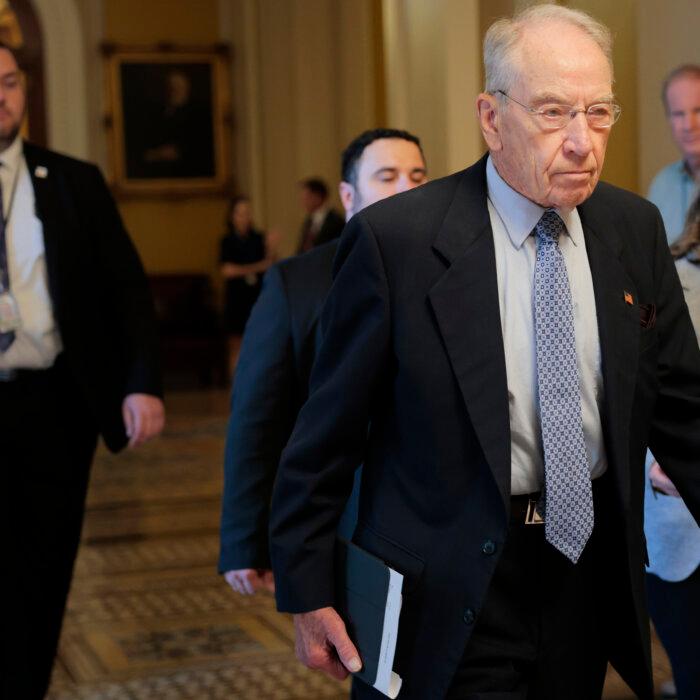
“Changes in technology have created new opportunities for criminals to harass, exploit, intimidate, and harm American children. These horrific crimes—often committed by violent online groups who take advantage of our nation’s outdated laws—have gone unchecked for far too long,” Grassley said.
“Congress must stand up for American families and finally address the online rot that is hurting children nationwide.”