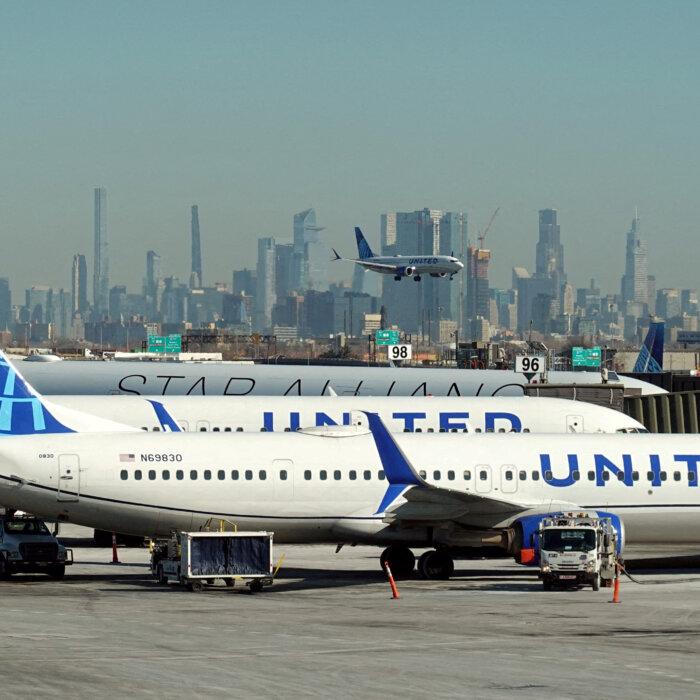
The Federal Aviation Administration (FAA) said on Sept. 25 that it would extend flight reductions at Newark Liberty International Airport in New Jersey until October 2026 to address operational difficulties.
The FAA said it would raise the hourly limit for landings and takeoffs to 72 per hour, up from the previous 68. The figure remains lower than the more than 80 flights per hour before the caps were introduced.
“The goal of the reduced rates is to continue maintaining safety while alleviating flight delays due to staffing and equipment challenges, resulting in smoother travel into and out of Newark,” it stated.
The agency announced that it has successfully transitioned to a new optic communications network linking New York and the Philadelphia Terminal Radar Approach Control (TRACON), a move it said will enhance Newark Airport’s network resiliency.
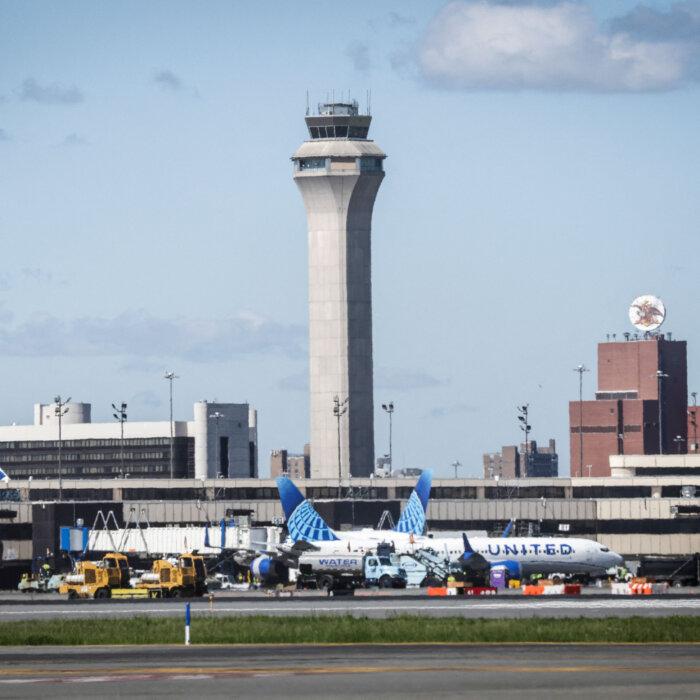
Moreover, the FAA said it was working to increase staffing at the airport, with 27 controllers and supervisors in training. The Philadelphia TRACON is currently staffed with 22 certified controllers and five supervisors, according to the agency.
United Airlines CEO Scott Kirby thanked Transportation Secretary Sean Duffy and FAA Administrator Bryan Bedford for their efforts, noting that Newark Airport has been “running better than ever” since the flight reductions were put in place.
“Now that airline schedules match the actual capacity at EWR, things will only get better as we head into the fall and winter seasons and we look forward to continuing to work with DOT and FAA on a long-term solution to manage the airport’s capacity,” Kirby stated.
The airport has also been grappling with staffing shortages, outdated equipment, and runway construction, according to the agency.
Duffy said on May 28 that the airport’s operations have improved significantly since the flight cuts were put in place.
The FAA is expected to conduct another evaluation in October, when more air traffic controllers are expected to complete their training and become certified to handle Newark’s airspace, the transportation secretary said.