“We don’t disagree with anything that the NTSB has concluded from their investigations,” Bedford said. “Many of the recommendations have already been put into action. Those that haven’t, we’re going to evaluate.”
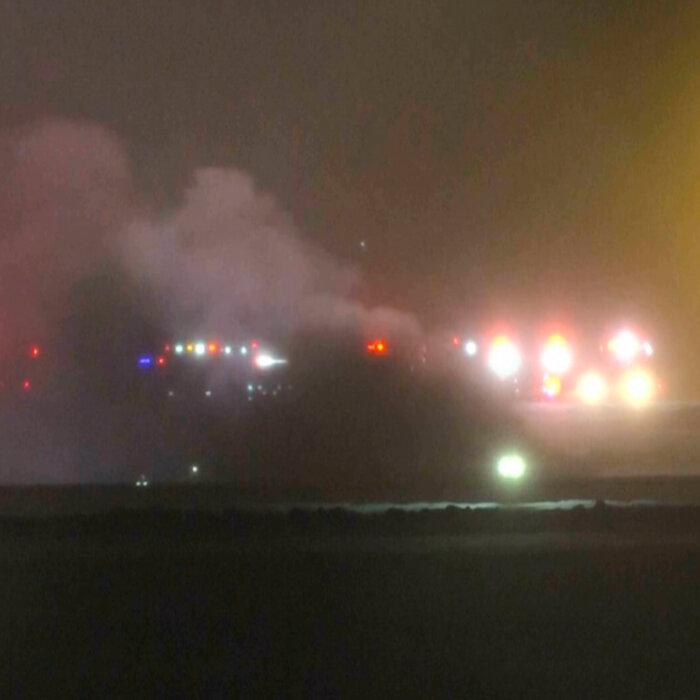
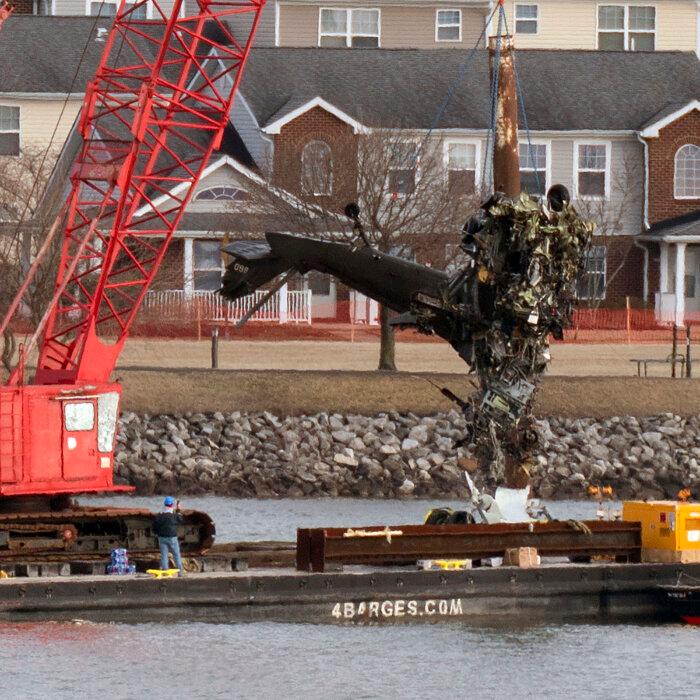
The NTSB revealed the probable cause of the crash on Jan. 27, citing the FAA’s decision to allow a helicopter route to operate close to a runway approach path at Reagan National, as well as multiple other “systemic failures” at the agency.
“This was 100 percent preventable,” NTSB Chair Jennifer Homendy said during the agency’s nine-hour probable-cause hearing, which capped a year-long investigation.
The NTSB said the executive branch’s decision to permit helicopter traffic so close to commercial aircraft operations created unacceptable risk.
Data and Procedural Lapses
Investigators also faulted the FAA for failing to adequately review its own data indicating elevated midair-collision risk around the Potomac River airspace and for allowing controllers to rely heavily on “visual separation”—a practice in which pilots are responsible for seeing and avoiding other aircraft—to maintain traffic flow.“The question is, should the FAA have known there was a problem, and should something have been done?” Homendy asked, noting that the NTSB had worked with the FAA to flag more than 15,000 close-proximity events over several years, including 85 classified as serious.
“Absolutely, the data was there. The data was in their own systems.”
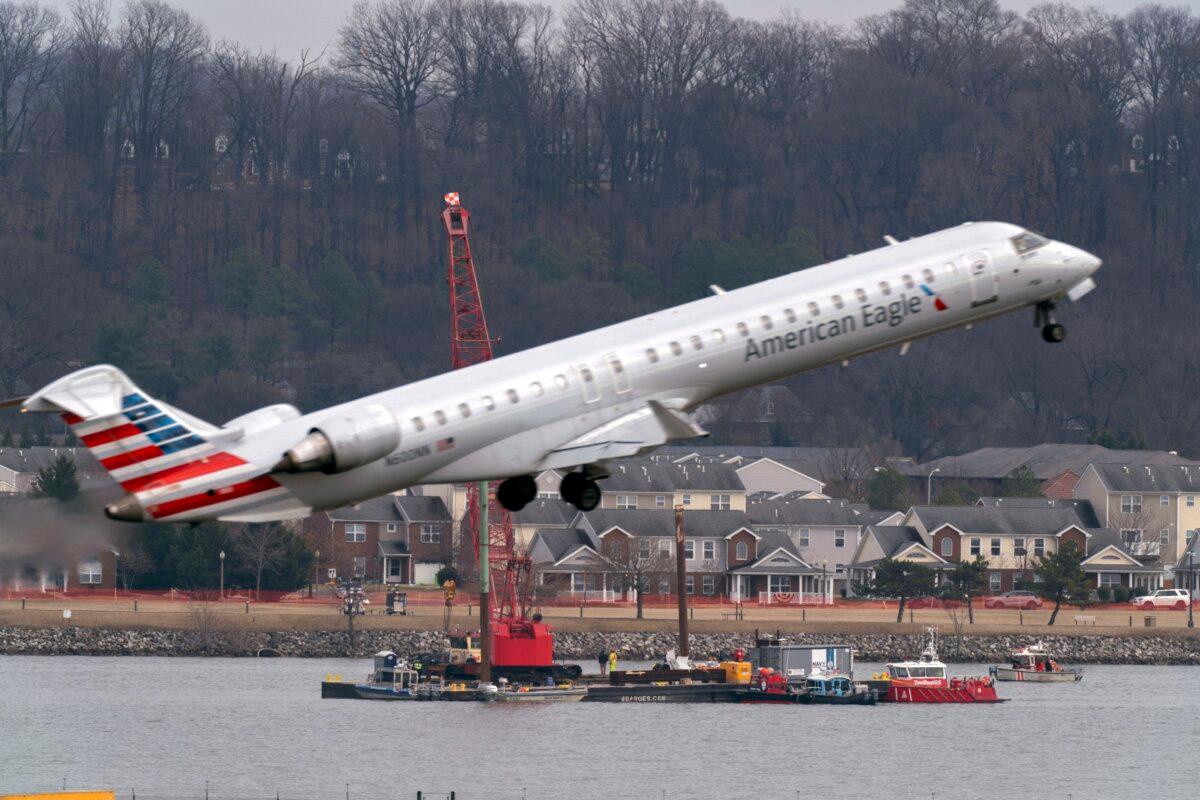
The NTSB also cited staffing and human factor issues at the Reagan National control tower, noting that a single controller was handling both helicopter and airplane frequencies on the night of the crash. Although the board concluded that staffing levels technically met FAA requirements, it said extended shifts likely reduced alertness and vigilance, increasing operational risk.
The safety board also criticized what it described as the FAA’s long-standing resistance to safety recommendations under previous administrations.
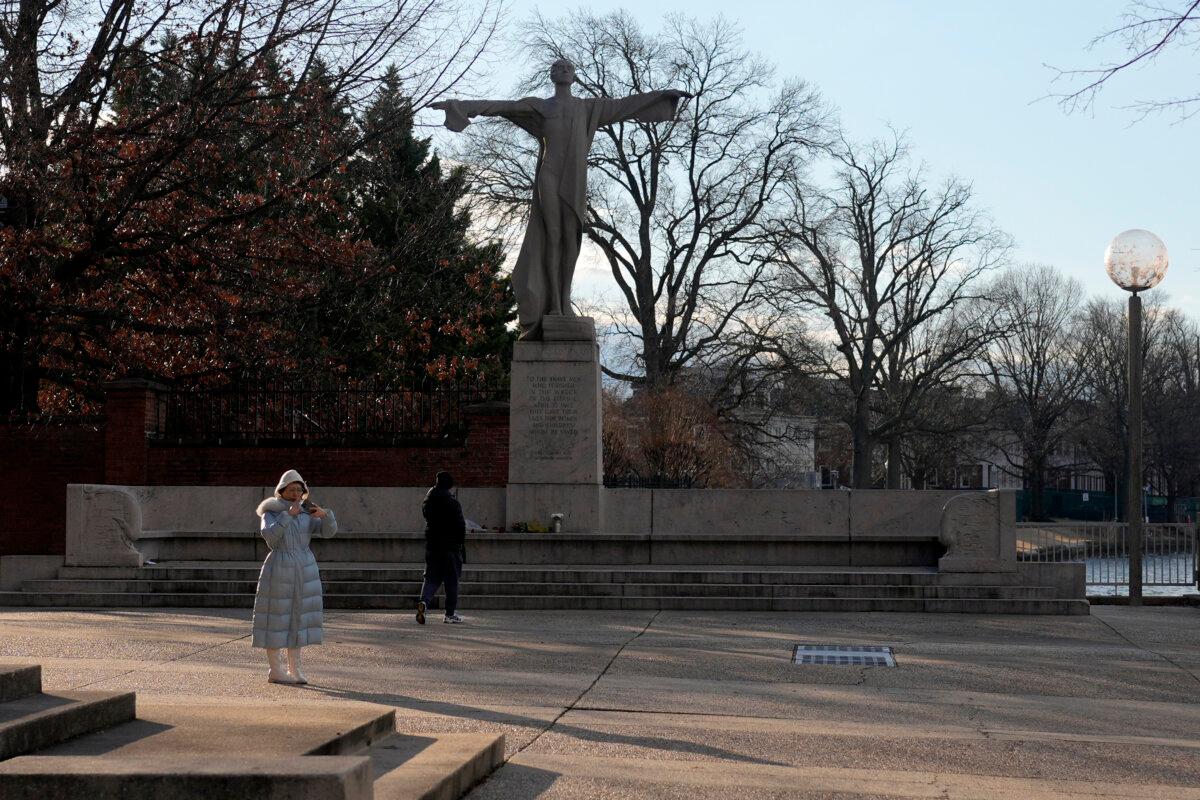
Federal Response
The FAA said in a Jan. 27 statement that it “values and appreciates the NTSB’s expertise and input” and that it has acted on urgent safety recommendations issued in March 2025, noting that it would carefully consider additional measures outlined in last week’s findings.The rules move helicopter routes farther away from Reagan National, require all military aircraft to broadcast their locations during flight, and prevent air traffic controllers from relying on visual separation.
“After that horrific night in January, this Administration made a promise to do whatever it takes to secure the skies over our nation’s capital and ensure such a tragedy would never happen again,“ Duffy said in a Jan. 22 statement. ”Today’s announcement reaffirms that commitment. The safety of the American people will always be our top priority. I look forward to continuing to collaborate with the NTSB on any additional actions.”