The Trump administration has ended duty-free treatment for parcels valued at less than $800, closing the “de minimis” exemption that for decades allowed small packages to enter the United States without tariffs.
The change, effective at 12:01 a.m. on Aug. 29, means that all global parcel imports will now be subject to standard U.S. customs duties regardless of value or origin. Gifts worth less than $100 sent by individuals remain exempt.
What’s Changed?
President Donald Trump signed an executive order on July 30 ending the exemption, expanding a May policy that had already removed duty-free status for packages from China and Hong Kong.What Was the Reason?
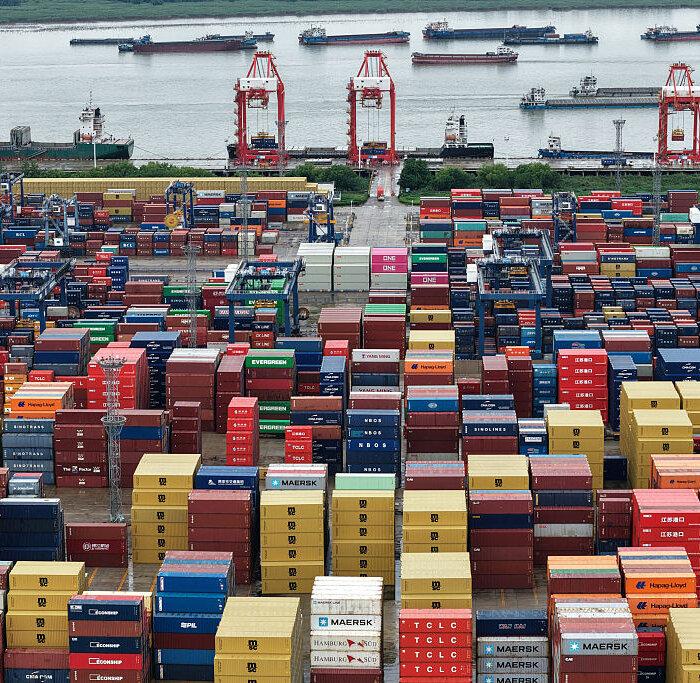
The White House says the exemption grew into a “catastrophic” vulnerability as direct-to-consumer online shopping boomed.Because low-value shipments often bypassed inspection, officials say the system allowed fentanyl, counterfeit goods, and products made with forced labor to slip into the United States while undercutting domestic manufacturers.
How Will Duties Be Collected?
Customs and Border Protection (CBP) has laid out two ways that foreign postal services can remit the duties during a six-month transition period.The first is an ad valorem duty—a tariff charged as a percentage of the package’s declared value, based on the effective country tariff rate. The second is a specific duty—a flat per-package fee of $80, $160, or $200, depending on tariff bands for the country of origin. If multiple countries are represented in one parcel, the highest rate applies.
The flat-rate option expires on Feb. 28, 2026, after which, all shipments must use the value-based system.
How Are Postal Services Responding?
The Universal Postal Union, the U.N. agency coordinating international mail, said the U.S. change will require “considerable operational changes” worldwide. It noted that operators in 25 countries have already suspended outbound shipments to the United States, citing uncertainties about how the new system will be applied.“These suspensions will remain in place pending further information on how U.S. authorities will operationalize these measures as well as actual implementation of the required operational changes,” the group stated.
What Does It Mean for Shoppers and Small Businesses?
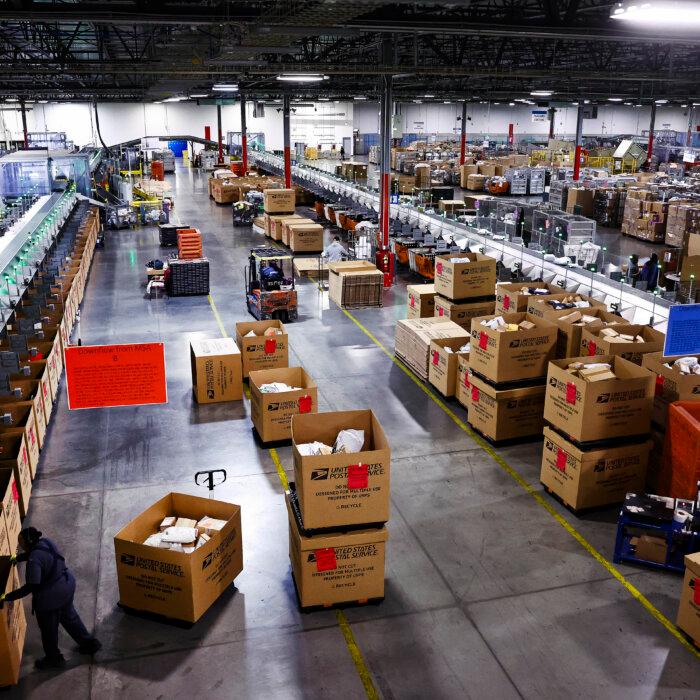
For U.S. customers, the end of de minimis means more imported products will now carry tariffs. Retail analysts cited by Reuters said this could raise prices on items bought through platforms such as Shein, Temu, Etsy, or eBay, which built business models around duty-free shipping.Sellers will also face new paperwork requirements. CBP now demands detailed information on the product type and origin for every low-value parcel, adding complexity for small exporters and individual sellers abroad.
Volumes of de minimis shipments have dropped by about one-third since the China exemption was lifted, according to logistics firm Red Stag Fulfillment, with the potential for further declines as the tariffs bite.
What Happens Next?
Former White House trade official Kelly Ann Shaw said some disruption is inevitable as customs adapts to handling millions of low-value shipments.“There will be growing pains as this unfolds, but it is U.S. law,” she said.
The Trump administration, however, has said the policy is permanent, with Navarro telling reporters that it’s “not a negotiating tactic” but rather part of a broader effort to reshape global trade through tariffs and bilateral deals.