The U.S. Environmental Protection Agency (EPA) is proposing the approval of three products containing the weedkiller dicamba, the use of which was halted by a federal court in 2024. The agency claims dicamba does not pose a serious health or environmental risk.
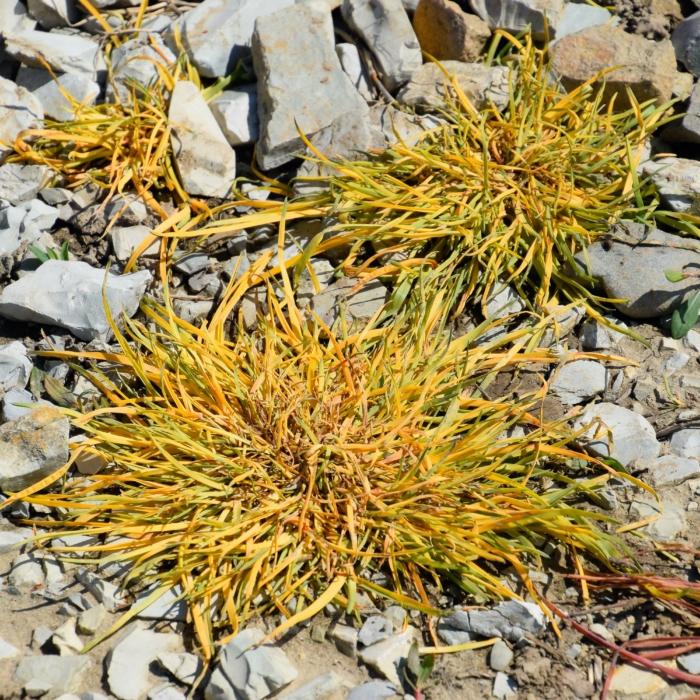
Prior to the 2024 ruling, Cotton and soybean farmers used dicamba on crops that are genetically engineered to resist herbicide. Other farmers and environmental groups complained that the chemical drifted from where it was sprayed and damaged neighboring plants.
A 2024 U.S. District Court ruling found the EPA had previously violated public input procedures in its approval of three dicamba products and vacated the product registrations. As a result, farmers were unable to spray dicamba this year.
The EPA has received applications from Bayer AG, BASF, and Syngenta for new approvals, the agency said in regulatory documents.
Bayer, which sold the dicamba herbicide XtendiMax, said it was pleased the EPA opened a public comment period on its proposal to approve the use of dicamba.
“We are confident that low-volatility dicamba herbicides, when used according to the label, can be used safely and successfully on-target,” Bayer said.
BASF said it would work with regulators to ensure farmers can use dicamba. Syngenta did not immediately respond to a request for comment.
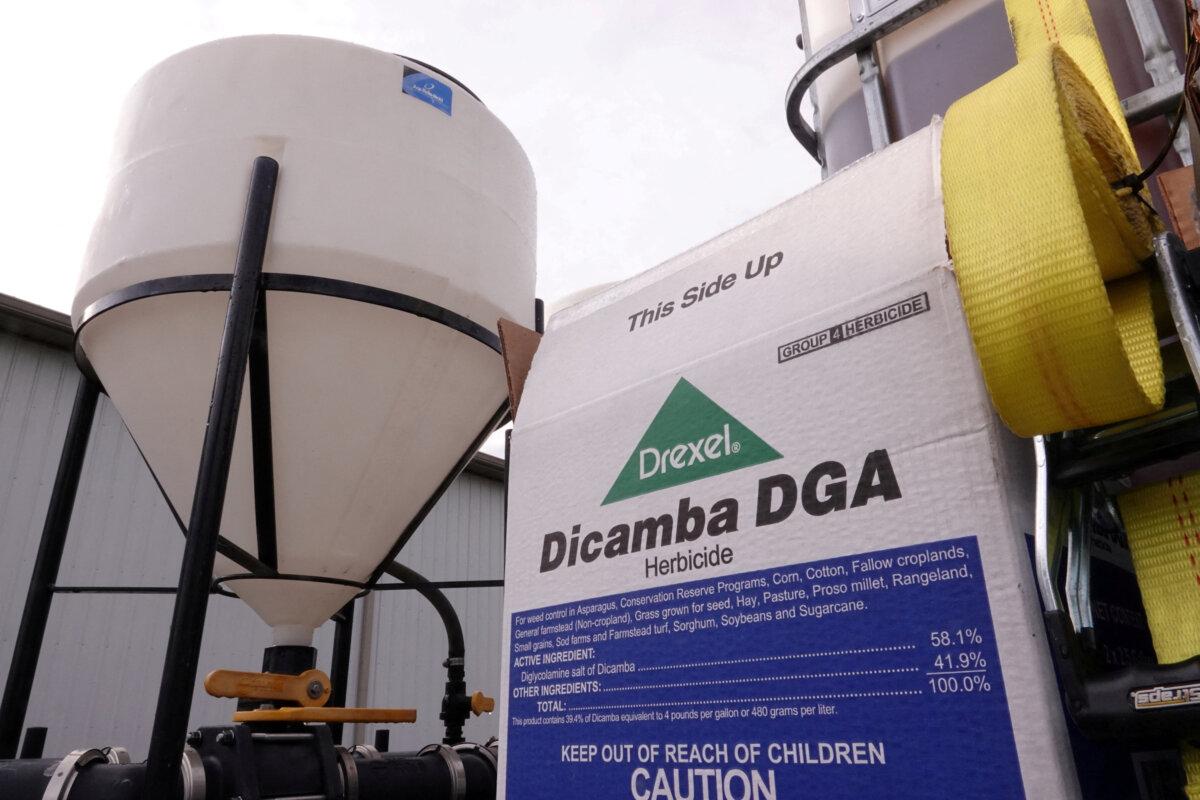
Dicamba was first registered in 1967. It is a broad-spectrum herbicide used on crops, uncultivated land, pastures, turf, and rangeland. It is also used in non-agricultural settings such as residential areas and golf courses.
More than 1,000 products sold in the United States include dicamba, according to the National Pesticide Information Center.
An EPA review found no risk to humans, aquatic invertebrates, fish, or aquatic plants, and a low risk for honeybees and other non-listed bees from dicamba, according to an EPA statement.
The agency is proposing restrictions on how much of the chemical can be applied and when it can be applied, which should mitigate the risk to off-target plants, according to the statement.
The head of the EPA’s Office of Chemical Safety and Pollution Prevention, Kyle Kunkler, was previously a lobbyist for the American Soybean Association, which has supported the use of dicamba on soybeans.
The association said it was reviewing the EPA’s proposal and that dicamba is a critical tool for farmers.