The Environmental Protection Agency (EPA) on April 9 proposed sweeping changes to federal rules governing the disposal of coal ash, a toxic waste product that can carry heavy metals such as mercury, lead, and cobalt into surrounding groundwater.
The proposal would ease monitoring requirements near some coal ash disposal sites, eliminate mandates requiring companies to remediate entire coal plant properties rather than only the specific areas where ash was deposited, and make it simpler to repurpose coal ash in construction materials such as cement and structural fill.
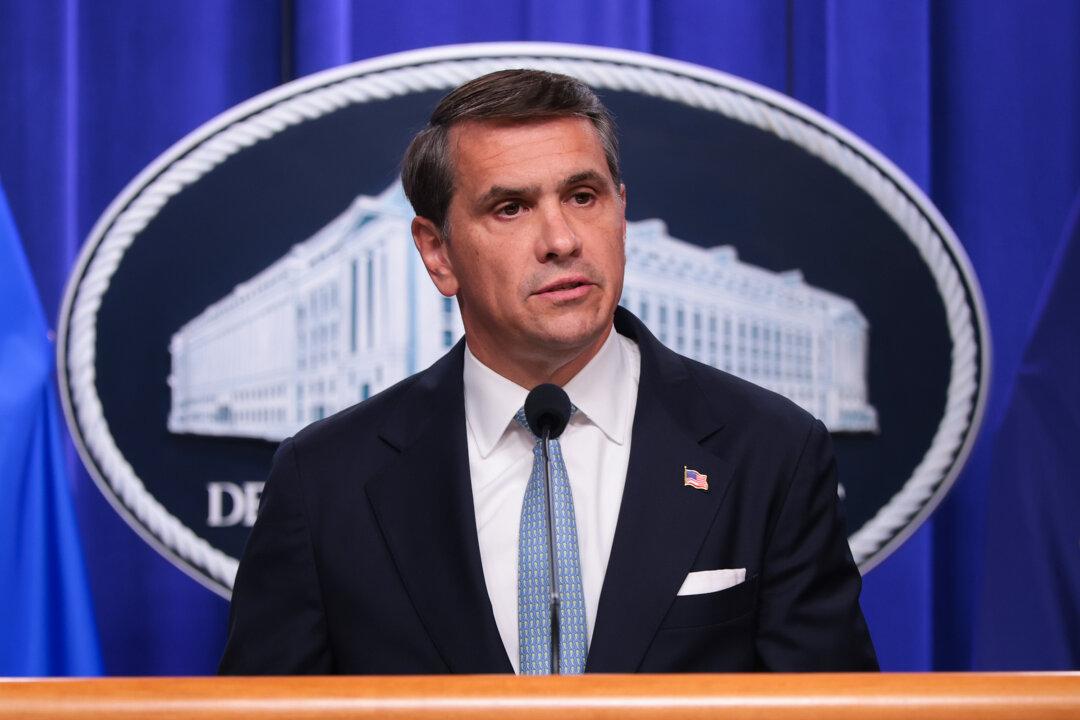
EPA Administrator Lee Zeldin said the overhaul reflects the agency’s “commitment to restoring American energy dominance, strengthening cooperative federalism, and accommodating unique circumstances at certain (coal ash) facilities.”
The revised framework would give states and other regulators expanded authority to grant exemptions from national standards.
The EPA’s proposal requires that any such ash disposal “poses no reasonable probability of adverse effects on human health and the environment.”
The coal industry welcomed the changes.
John Mavretich, executive director of the Utility Solid Waste Activities Group, said in a statement that his organization “supports changes that move away from the existing ‘one-size-fits-all’ framework and incorporate site-specific flexibility.”
The coal industry has contended that a range of strict regulations that increase the cost of operating coal plants are forcing them into early retirement.
In a Jan. 16, 2025, letter to Zeldin, a coalition of coal and energy associations stated that the “EPA’s recent unprecedented expansion of the federal (coal ash) regulations has needlessly diverted funds from the power sector’s efforts to meet the Nation’s growing energy needs; increased costs for power companies and consumers without corresponding benefits to public health or the environment.”
Environmental advocates were swift to condemn the move.
Lisa Evans, senior counsel at Earthjustice, in a statement, said that “the Trump administration just took a sledgehammer to the health protections in place for toxic coal pollution.”
Nick Torrey, an attorney with the Southern Environmental Law Center, said the proposal was harmful
“Letting coal-burning utilities set the agenda has been a disaster for communities across the South, resulting in coal ash spills and hundreds of families forced to live on bottled water for years under the threat of coal ash pollution,” he said.
Thursday’s proposal is the latest in a line of EPA moves targeting Biden-era environmental rules.
Federal oversight of coal ash disposal dates to the Obama administration, which in 2015 required plant operators to line new storage ponds, monitor surrounding water quality, and close leaking impoundments—often requiring ash to be relocated. Those rules were themselves triggered by a 2008 failure of a Tennessee containment dike that spread coal ash across 300 acres, forcing a billion-dollar cleanup; workers involved in that effort later reported cancer diagnoses. A second major spill hit North Carolina in 2014.
Trump has framed coal as central to his energy agenda. In April 2025, he signed four executive orders specifically aimed at reviving coal-fired power generation, declaring the industry had been “abandoned.”
In March 2025, Zeldin announced a sweeping review of Biden-era power plant rules, an action that industry leaders said provided long-sought regulatory certainty. The EPA subsequently moved to remove Biden-era carbon limits from coal and gas-fired plants.
The Associated Press contributed to this report