A recent proposal by the Environmental Protection Agency (EPA) could be a shot in the arm for traditional automakers, who have been heavily impacted by climate regulations and tariffs. At the same time, it could push electric vehicle (EV) makers to compete on product, price, and experience rather than policy, potentially benefiting both sides, according to some experts.
The EPA stated that climate regulations have created significant uncertainty and imposed substantial costs on the traditional manufacturing industry, limiting affordable car options for American consumers.
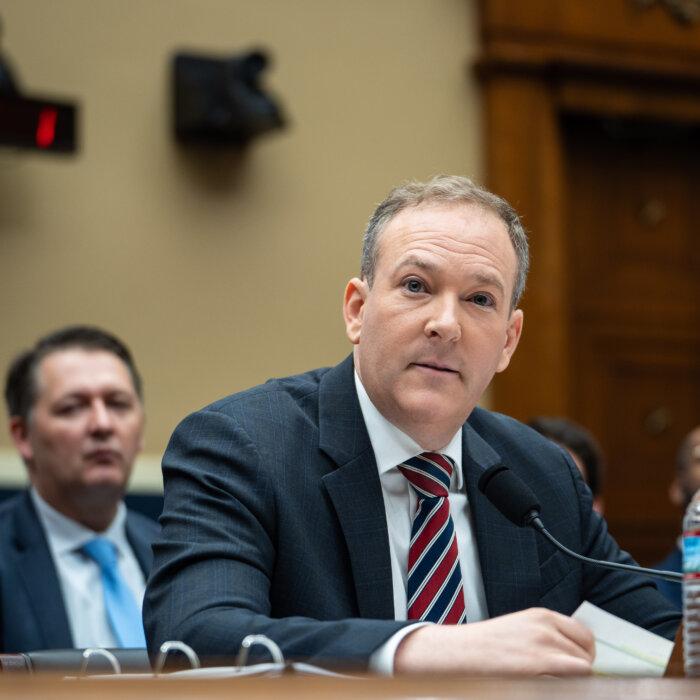
“With this proposal, the Trump EPA is proposing to end 16 years of uncertainty for automakers and American consumers,” EPA Administrator Lee Zeldin said during a presentation at an auto dealership in Indiana.
Greenhouse gas regulations established standards for light-, medium-, and heavy-duty vehicles, as well as heavy-duty engines. The EPA introduced its first greenhouse gas regulation in 2010 for light-duty vehicles, followed by standards for medium-duty cars and heavy-duty vehicles and engines in 2011. These rules included off-cycle credits, such as the commonly criticized start-stop feature found in most new vehicles.
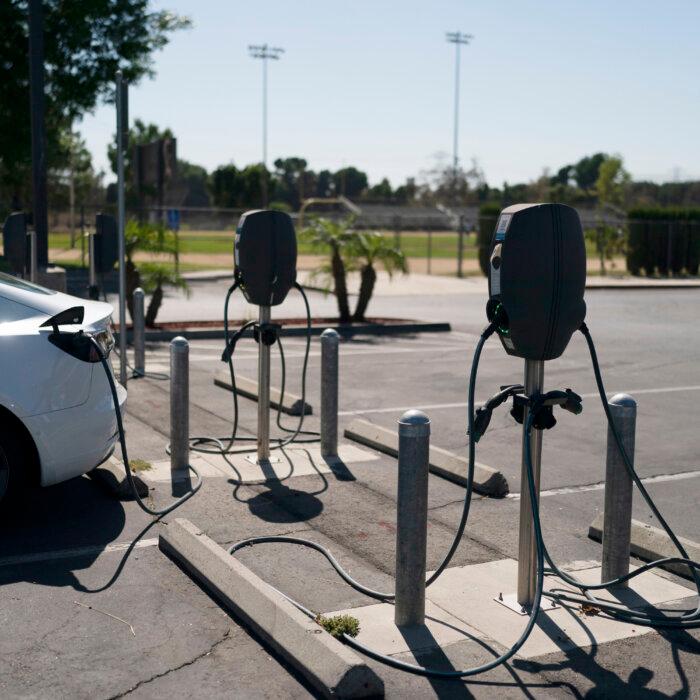
Coming on top of previous climate regulations, and supplemented by additional rules during the Biden era, greenhouse gas regulations imposed an enormous cost on traditional carmakers. They tilted the competitive field in favor of EV-makers, who received a host of government subsidies, adding to hidden taxes for American taxpayers.
The EPA’s proposal promises to change this situation.
A Shot in the Arm
Meanwhile, it will be a welcome relief for the struggling traditional automakers, who have been operating with low net profit margins due to the costs of implementing these regulations.Companies with returns on invested capital that lag their cost of capital erode shareholder value as they grow.
Adding to the downward pressure on net profit margin and ROIC is the imposition of tariffs, as the two automobile companies have chosen to absorb them rather than pass them on to consumers.
“GM has held prices relatively steady despite tariffs, choosing to absorb the additional costs while shifting some auto production to the U.S. and holding out hope for better trade deals with Mexico, Canada, and South Korea,” Jay Cushing, senior bond analyst at Gimme Credit, told The Epoch Times.
“Given existing vehicle affordability issues, we remain skeptical that volumes can be sustained at current levels without discounted pricing, particularly if the economy slows.”
Cushing also sees Ford facing $2 billion in tariff headwinds in 2025 ($3 billion gross, net of $1 billion recovery factors).
Meanwhile, Ford welcomed the EPA proposal and said deregulation policy changes will lead to fewer emission credit purchases and improved profit going forward.
“Ford Blue” refers to the company’s internal combustion engine vehicle division.
Farley said that the EPA policy change will provide the company with greater flexibility regarding its product mix and production volume.
“Once finalized, this will provide further opportunities to improve profits next year and beyond,” he said.
“Deregulation would be a net benefit to U.S. automakers from lower compliance costs and easier production,” Nic Adams, co-founder and CEO of cybersecurity firm Orcus, told The Epoch Times.
Competition on Merit
However, BJ Birtwell, CEO and founder of Electrify Expo—a leading organizer of EV-focused consumer events—believes that removing mandates and incentives will drive broader EV adoption in the United States.“EVs were wrongly politicized from the start, making them a virtue signal rather than a practical form of transportation, like they are today,” he told The Epoch Times.
“New buyers aren’t choosing electric for environmental reasons—they’re doing it because EVs are affordable to own, cheaper to operate, and a lot more fun to drive. When the U.S. government tells Americans what to buy, it makes half the population skeptical about its motives.”
Birtwell believes that removing these government initiatives will attract skeptics to the EV market, prompting automakers to compete on product, price, and experience rather than policy.
“What we’re seeing now is the EV industry moving along the traditional S-curve ... out of the early adopter phase and into the early majority. That’s the point where the product must win on merit alone, and EVs are ready for that,” he said.
Carl Rodriguez, head of marketing and founder of NX Auto Transport, is skeptical about the net effect of deregulation on traditional automakers, believing that deregulation may affect conventional automakers as they have been investing heavily in EVs.
As a result, they could take a hit as EV subsidies fade away.
“So the playing field doesn’t get levelled. It just shifts the advantage from subsidized newcomers to key players who have been playing the game for a while now,” he told The Epoch Times. “If anything, the incentives could have led to a more level playing field to begin with.”