
The chart shows that the Office of Energy Efficiency and Renewable Energy (EERE) and the Office of Clean Energy Demonstrations (OCED) are gone, and offices focusing on nuclear power, hydrocarbons, and fossil-fuel deployment are elevated to replace them.
EERE has long been one of the DOE’s largest program offices. Over the past decade, it oversaw tens of billions of dollars in research and development for wind and solar power, advanced batteries, energy-efficient buildings, and new-energy car technologies. The department has not yet announced how much, if any, of the office’s work may be reassigned under the new structure.
Some OCED-funded projects are still in early stages of development. The DOE did not immediately respond to a request for more information over their fate following the organizational overhaul.
Several other offices established in the Biden years also disappeared from the chart. Among them are the Grid Deployment Office, which worked to upgrade the nation’s power lines and sought to boost the domestic battery industry; and the Office of State and Community Energy Programs, which supported state-level energy-efficiency initiatives.
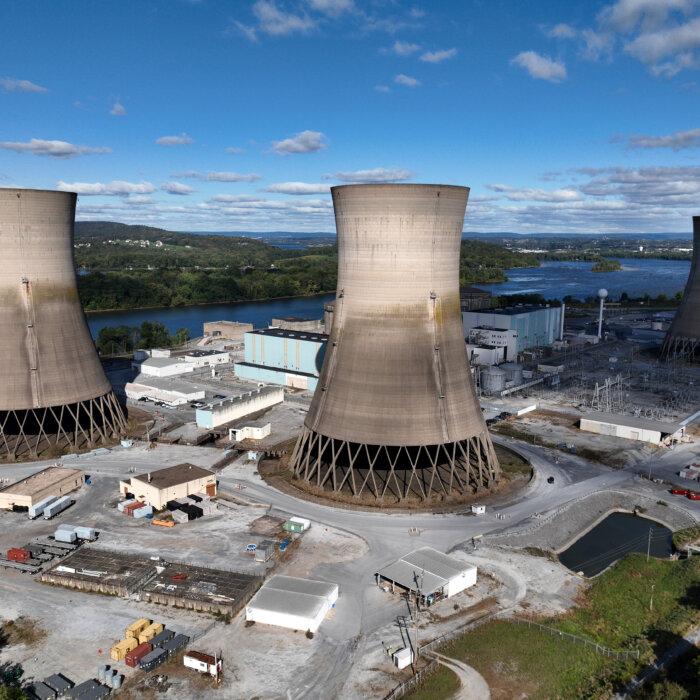

In place of those offices, the DOE introduced several newly named or consolidated units, including a new Office of Hydrocarbons and Geothermal Energy, a renamed Office of Fusion, and a rebranded Loan Programs Office now listed as the Office of Energy Dominance Financing.
The DOE said the changes are aligned with President Donald Trump’s “energy dominance” agenda.
“These changes will help us better execute the DOE mission of delivering affordable, reliable, and secure American energy for the American people.”
Over the past month, the Trump administration has canceled or suspended billion of dollars in federal funding for more than 200 clean energy projects that it said would be a waste of taxpayer dollars. Those projects were mostly greenlit by the Biden administration as part of its broader agenda to address climate change.
When it comes to climate change, Wright has made clear that he does not see it as one of the nation’s most urgent challenges, in contrast to the Biden administration, which made tackling climate change a top priority.