The sale of battery electric vehicles (EVs) declined last year while hybrid electric vehicles continued to gain market share, the Energy Information Administration (EIA) said in a Feb. 9 statement.
As a result of changes made in the One Big Beautiful Bill Act, signed into law by President Donald Trump in July 2025, two EV credit programs ended on Sept. 30, 2025: the New Clean Vehicle Credit and Qualified Commercial Clean Vehicle Credit.
The market share of EVs hit record highs just before the expiry of these credits, accounting for 12 percent of all light-duty vehicles sold in September. Sales then collapsed, with the EV market share dipping to less than 6 percent in the remaining months of the year, the EIA said.
“About 22 percent of light-duty vehicles sold in 2025 in the United States were hybrid, battery electric, or plug-in hybrid vehicles, up from 20 percent in 2024,” the EIA said. “In the second half of 2025, battery electric vehicle sales increased before sharply declining in response to the expiration of tax credits at the end of September.”
While EVs were eligible for these federal tax credits until September, hybrid vehicles were not, according to the agency. As such, the end of the tax credits had a negligible impact on hybrid vehicles.
Over recent months, multiple automakers have announced they were scaling down their EV ambitions.


Ford plans on focusing on gasoline and hybrid vehicles, expecting to add thousands of employees to production lines.
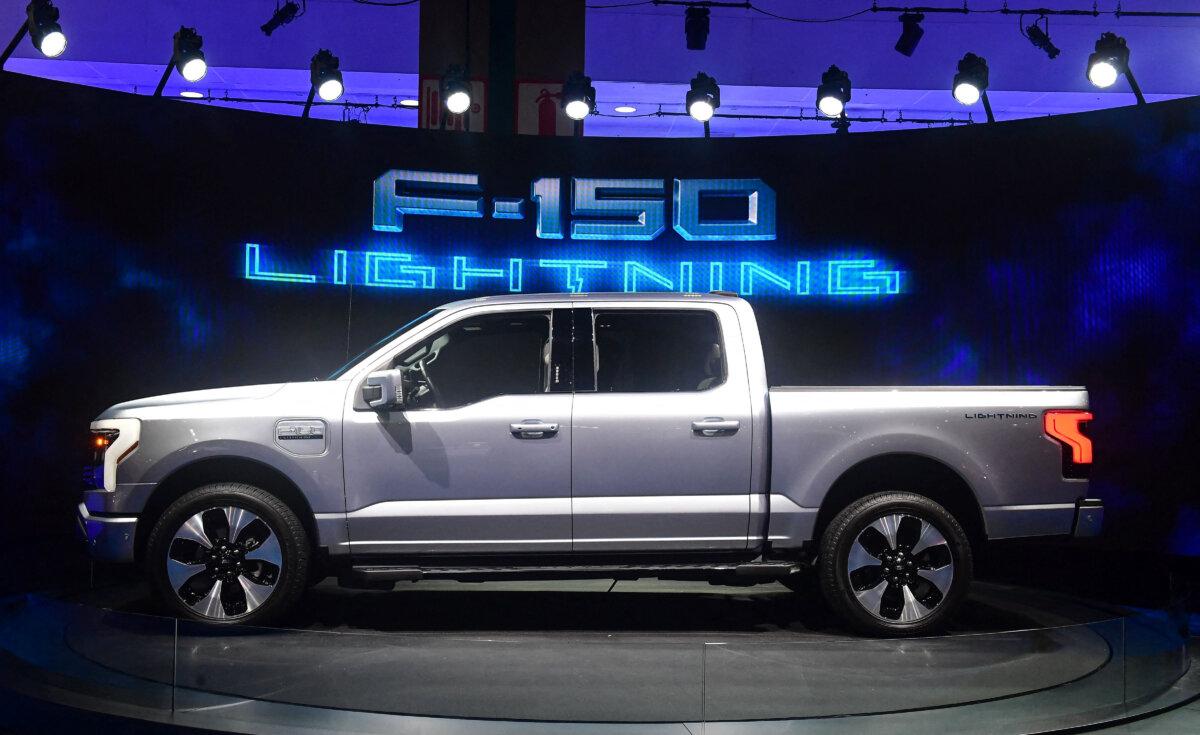
The company intends to replace the all-electric F-150 Lightning pickup vehicle with an extended-range version that uses a gasoline engine for battery recharging. Ford is also abandoning plans for electric trucks and vans.
Such overestimation has “distanced us from many car buyers’ real-world needs, means and desires,” Stellantis CEO Antonio Filosa said.
Stellantis said the company’s revised strategy will prioritize “freedom of choice” by expanding hybrid and advanced internal combustion engine offerings.
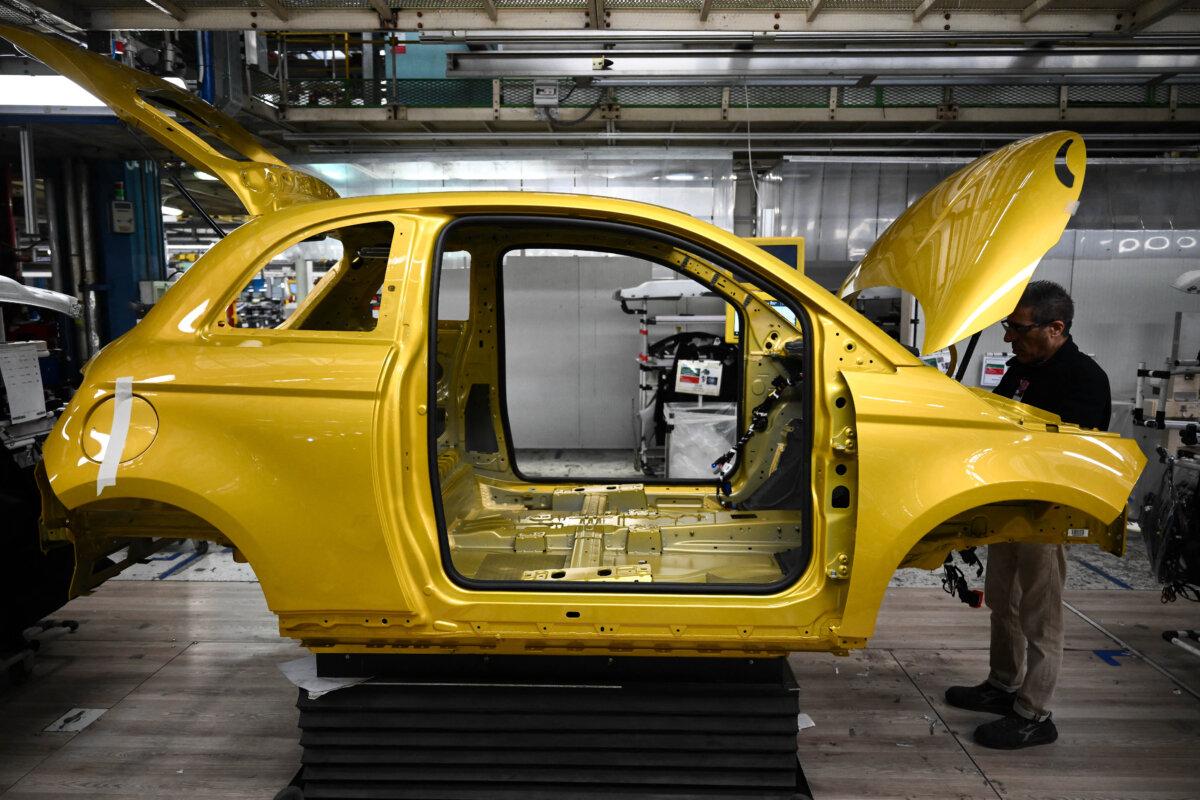
In Europe, hybrid car registrations “captured 34.5 percent of the market, remaining the preferred choice among consumers in the EU,” according to the European Automobile Manufacturers’ Association.
In a Jan. 27 statement, the association said that battery EVs accounted for 17.4 percent of market share in EU new car registrations last year.
In January, Cox Automotive said that while EV sales in the United States collapsed in the fourth quarter, they remained stronger overall for the year.
Total annual EV sales were just under 1.3 million units, making 2025 “the second-best year on record for EV sales in the U.S.,” Cox said.
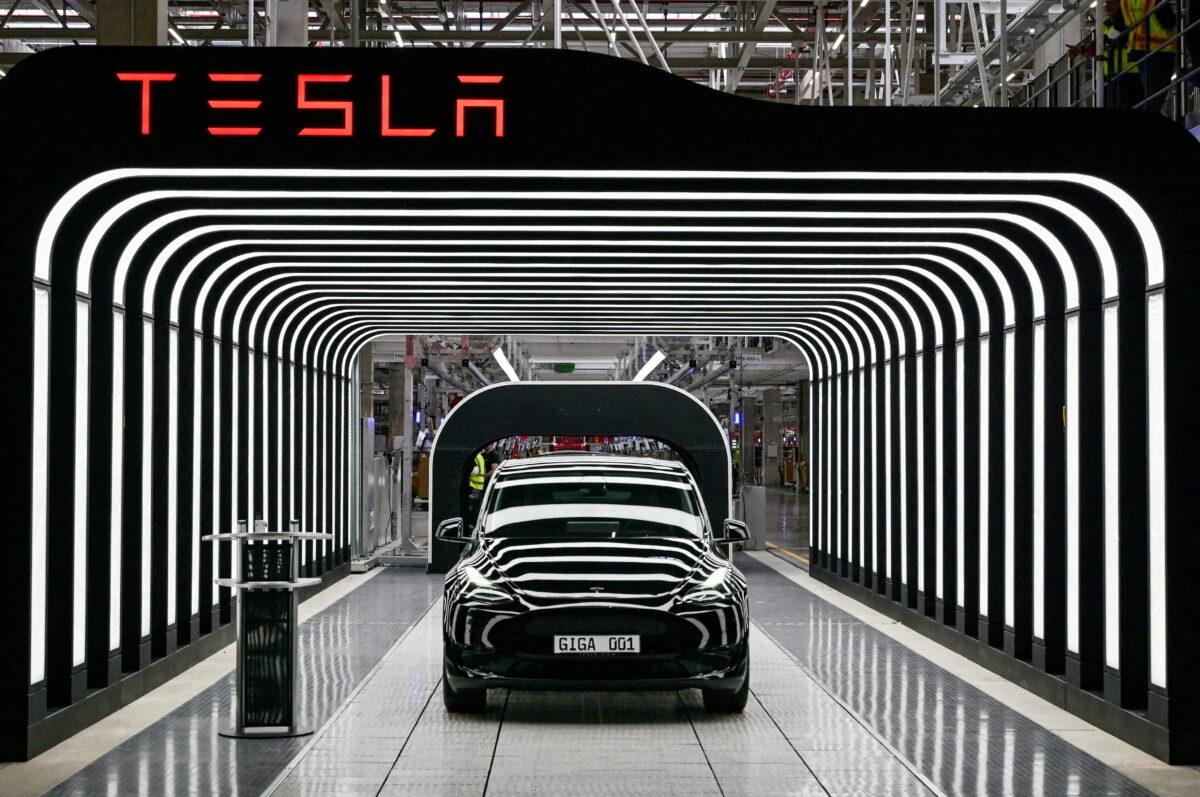
In January, overall new vehicle sales, including EV and non-EV vehicles, were affected by harsh winter weather and economic headwinds, Cox said in a Jan. 27 statement.
Cox Senior Economist Charlie Chesbrough said that the sales slowdown seen in the fourth quarter of 2025 is expected to continue into the early period of this year.
“The loss of EV tax credits at the end of Q3 led to fewer overall sales in Q4, and that will likely continue into the first quarter of 2026,” Chesbrough said. “Also, the market is slowing due to ongoing concerns about the U.S. economy and persistently high new-vehicle prices. These market conditions are expected to be major headwinds for the new market throughout 2026.”