The 466 employees recently laid off in the already shrinking Department of Education were responsible for processing grants for special needs students and investigating discrimination and harassment complaints in schools.
The School Superintendents Association, an advocacy group, stated that most staffers in the Office of Special Education and the Office of Elementary and Secondary Education were terminated. Those two offices oversee $44 billion in discretionary funding that schools use for staff, services, and equipment to serve millions of students with disabilities.
The Department of Education, with much of its remaining staff furloughed because of the government shutdown, has not commented on how funding and services to K–12 schools will be maintained with a much smaller staff.
While the vast majority of layoffs are related to special education functions, an unknown number of employees in the department’s Office for Civil Rights were also let go recently.


In an automated email response, Department of Education media representatives said they are currently on furlough due to the shutdown and could not respond to inquiries.
Meg Keller-Cogan, a former public school superintendent, principal, and special education teacher who now heads the post-graduate school administrator training program at Canisius University in Buffalo, New York, said it’s difficult to gauge when public schools will feel the pinch stemming from the federal layoffs.
Most K–12 districts operate on a July 1 through June 30 budget year and presumably already received some of the special education funding promised to them for this academic year. The grants allocated to schools haven’t been cut, but the personnel responsible for getting the money incrementally to the schools have been.
“It would be unprecedented to cut off funding in the middle of a cycle,” Keller-Cogan told The Epoch Times, noting that districts can move money around during the academic year if federal grants are delayed, but special education is a massive allocation within K–12, so this situation is still quite concerning to most public school leaders.
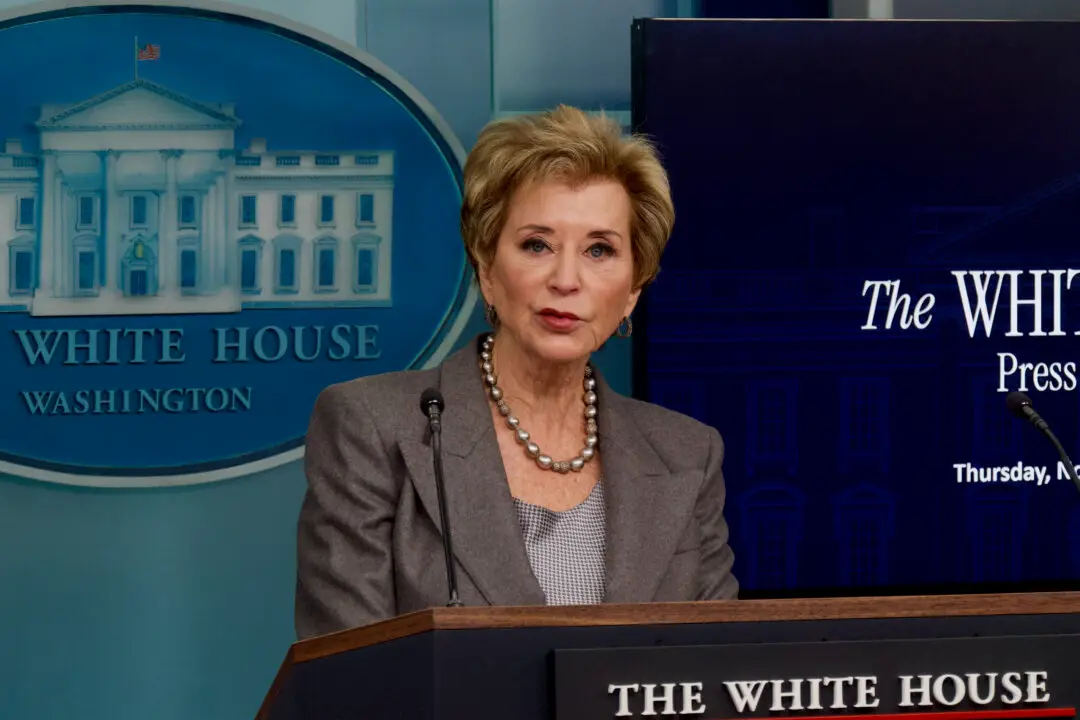
Education Secretary Linda McMahon has publicly affirmed her pledge to dismantle the Department of Education. She previously terminated about 2,000 employees, cutting the size of the agency in half. She has said that the bureaucracy she oversees should be eliminated, with special education functions moved to Health and Human Services and civil rights investigations to the Department of Justice. Funding streams would be maintained in the form of state block grants.
The Afterschool Alliance, a nonprofit that supports and advocates for afterschool programs nationwide, called the terminations “another shocking attack” that followed other recent funding delays affecting summer programs. The terminations affect grant issuance to programs that serve students when school isn’t in session, according to the group.
“These firings threaten children, youth, working families, and our future.”