NEW YORK CITY—New York City’s process of electing its next mayor is now underway.
New Yorkers began casting their early ballots on June 14 in the Democratic primary contest for the city’s 2025 mayoral election, which will be held on Nov. 4.
It is well-known that America’s largest city leans left—thus, for years, the Democratic primary has been the real contest to determine the next mayor.
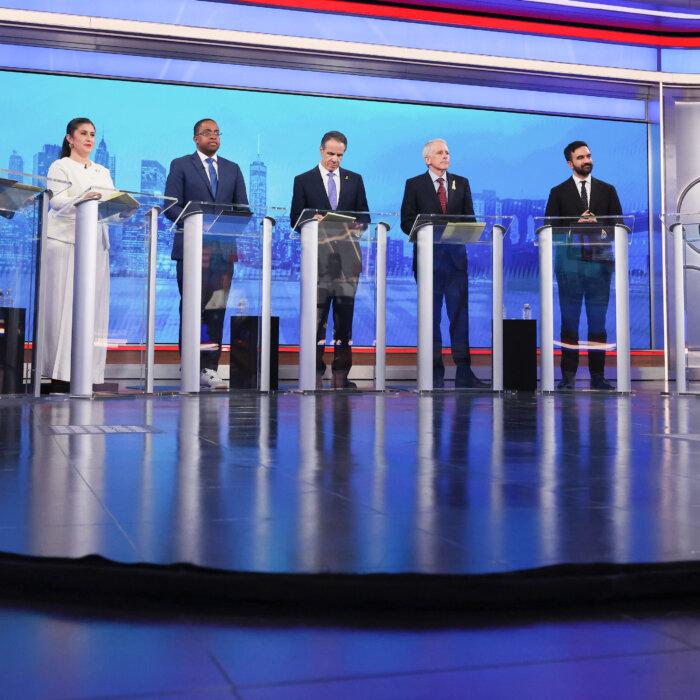
Among 10 other candidates, his principal opponent is state Assemblyman Zohran Mamdani (D), a 33-year-old progressive who has dramatically narrowed Cuomo’s lead in recent weeks. The race has been polarized over crime, the war in Gaza, federal immigration enforcement, and the cost of living.
Ranked Choice Voting
New York is holding elections for all citywide offices in 2025. Apart from the mayor, voters are electing their public advocate, city comptroller, district attorneys, borough presidents, and city councilors. Each of these offices is on the Democratic primary ballot, with incumbents running for reelection.
Unlike many jurisdictions—which use a “first past the post” system where the candidate with the most votes wins—New York uses a ranked-choice system in which voters rank each candidate according to their preferences. Tabulation occurs in rounds: In the first round, each candidate receives his or her first-preference votes.
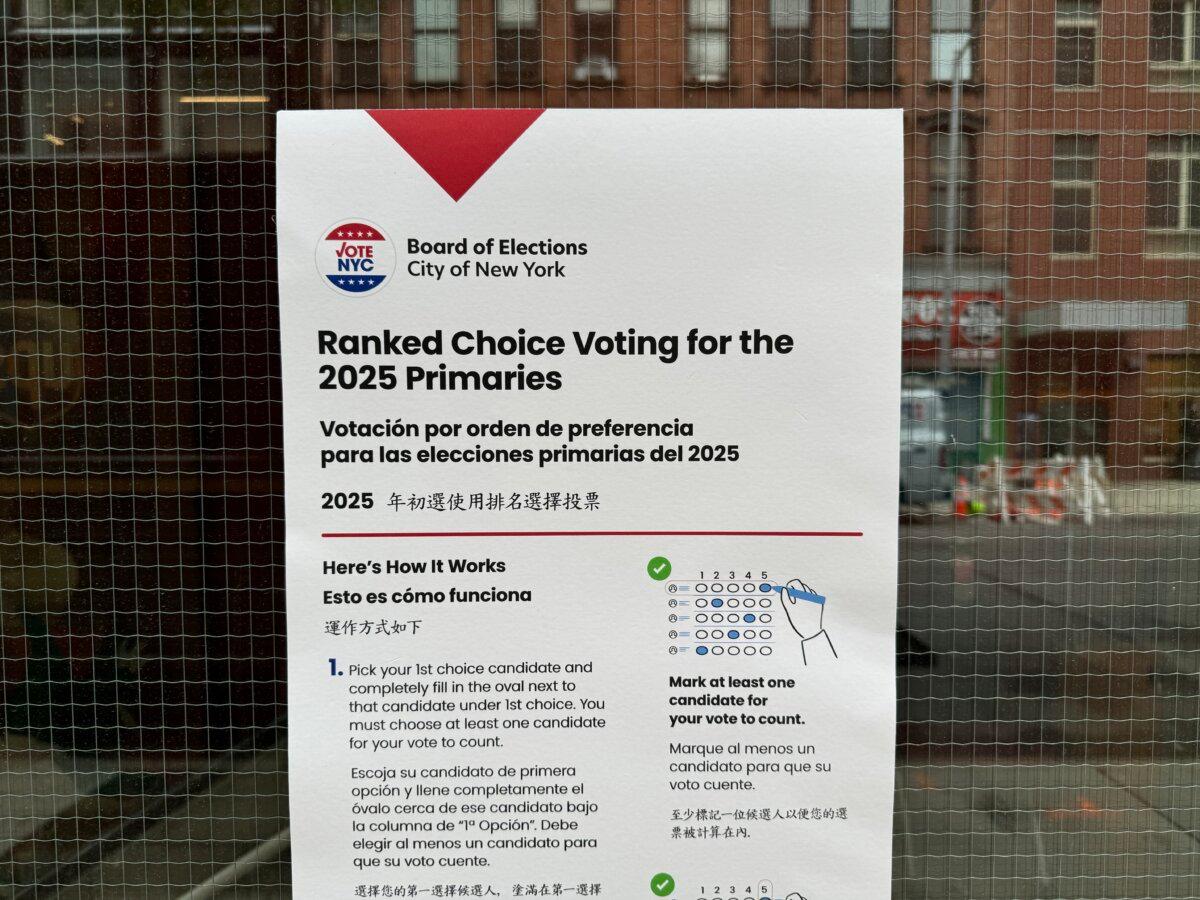
If none have greater than 50 percent support, the lowest-ranked candidate is eliminated from the race, and their votes are reallocated to those voters’ second-preference candidate. This process of elimination and reallocation by preference occurs in rounds until one candidate exceeds 50 percent support and wins.
In the latest major poll, conducted from May 23–26 by Emerson College, Cuomo has 35 percent support, followed by Mamdani at 23 percent. In order for either man to top 50 percent support, he will require the lower-preference votes of the other candidates as the race goes to multiple rounds.
What Voters Said
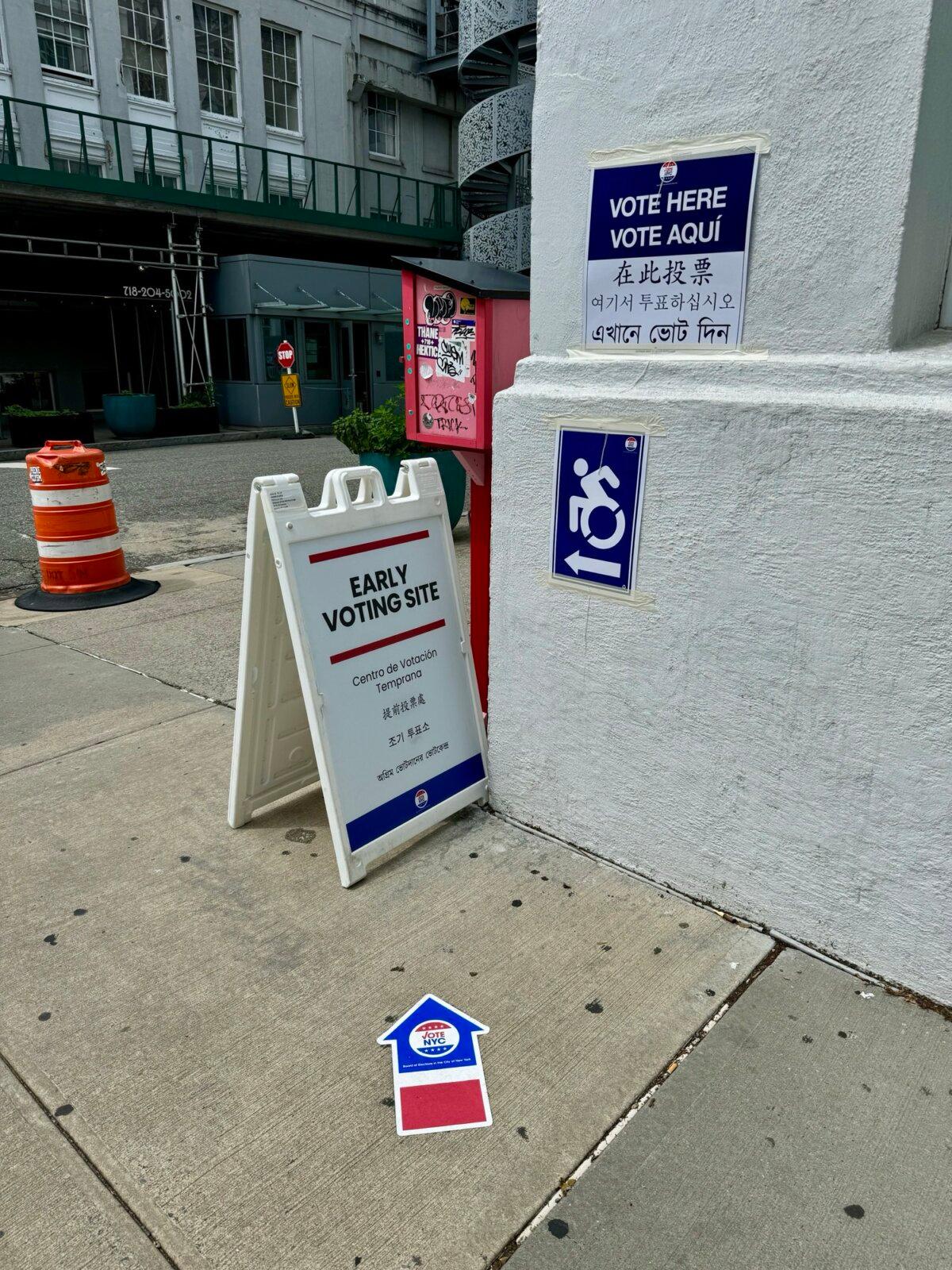
The Epoch Times visited polling places to speak with voters about the process. Most of them reported that voting was logistically easy but indicated some initial confusion about the ranked-choice process, which was introduced in 2021.“Ranked choice is new for me, so I did a lot of research to make sure what [it] means,” said Desiree, a voter in the Astoria neighborhood of Queens, which is represented by Mamdani in the state assembly. “I wanted to make sure I was filling out my ballot correctly,” she added, while noting that there was “no line.”
If voters do not like a candidate, they can omit that individual from their rankings. Many voters who supported either Cuomo or Mamdani spoke poorly of the other candidate and told The Epoch Times they omitted that candidate to ensure their votes would not be reallocated.
“I did not rank Cuomo at all,” said Sadia Hanif, a Mamdani supporter in Astoria, as she exited the polling station.
Some voters said they wanted only one candidate, and thus just ranked that individual as “1” while leaving all other spots blank. Amy Brodance, a real estate broker in Manhattan, told The Epoch Times she voted only for Cuomo.
“[I] definitely stay[ed] away from the other ones,” said Simon Ruzick, a resident of Chelsea. He ranked Cuomo first, Manhattan Borough President Mark Levine second, and left the rest of the list blank.
Every voter with whom The Epoch Times spoke agreed that the process was seamless. Unlike on election day, there were no long lines to enter the polling locations.
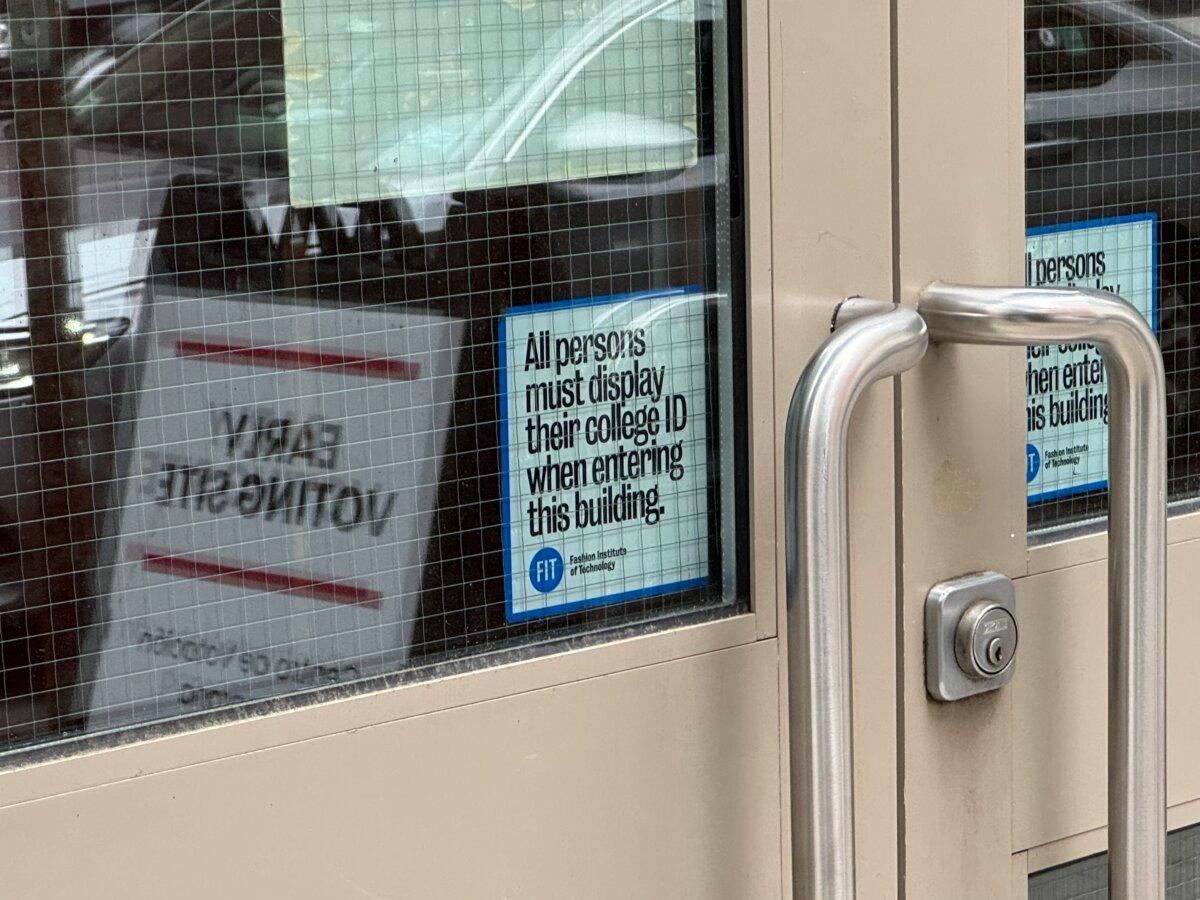
Ruzick, who voted at the campus of the Fashion Institute of Technology on West 28th Street in Manhattan, said he had to provide ID to enter the building, but not when he reached the polling station.
Early voting polls are open from 6 a.m. to 9 p.m. The early voting period ends on June 22.