The Justice Department announced on Aug. 17 a new process that will allow eligible individuals prohibited from possessing firearms to apply to have their federal gun rights restored.
Attorney General Todd Blanche finalized a federal regulation establishing the process, which the department stated could provide a pathway to restoration for millions of Americans.
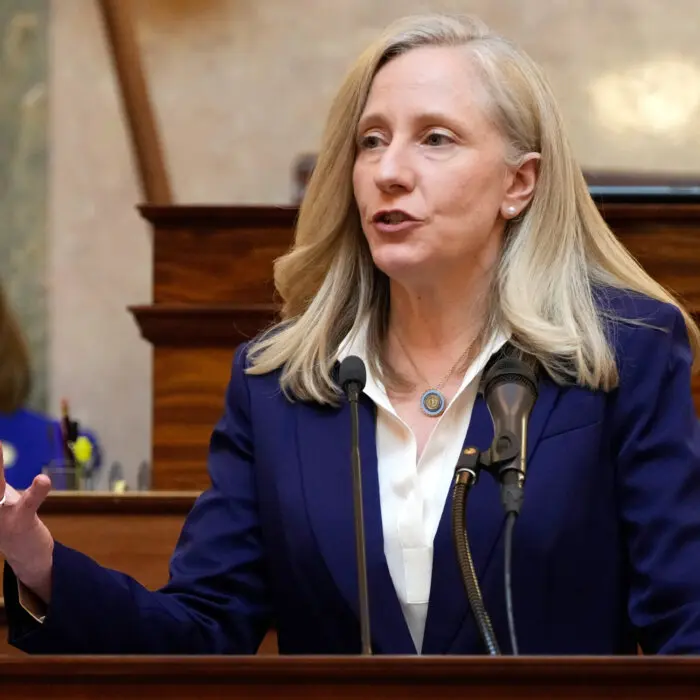
“The Second Amendment is not a second-class right, and the federal government should not permanently deprive Americans of a constitutional right without regard to whether they pose a danger to public safety,” Blanche said in a statement.
U.S. Pardon Attorney Edward Martin said the program would provide a pathway for the 30 million Americans who have lost their Second Amendment rights to apply for their restoration.
Since 1992, a process established by Congress under federal law for people seeking restoration of their firearm rights has been effectively unavailable to most applicants, according to the Justice Department. Congress, throughout that period, did not allow the Bureau of Alcohol, Tobacco, Firearms, and Explosives to use its funds to investigate or act on applications for relief under the law.
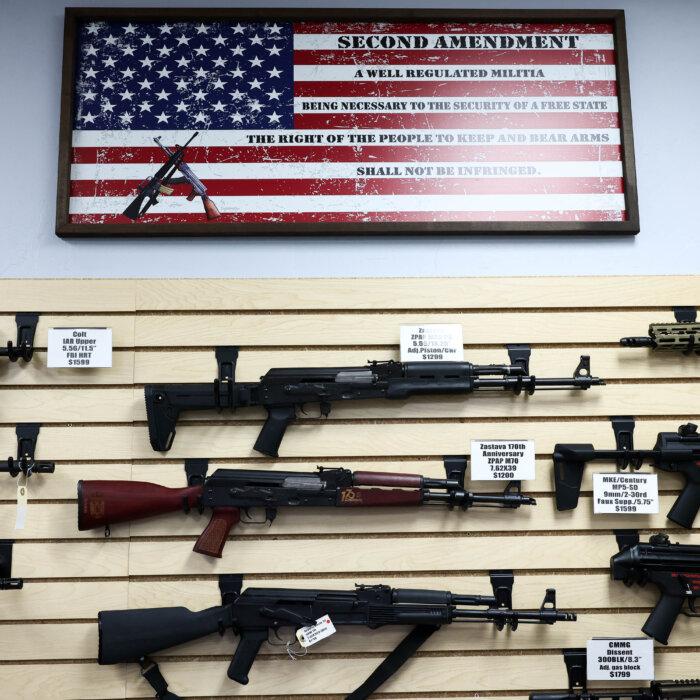
Applicants must demonstrate to the attorney general that the circumstances that led to the prohibition, along with a person’s record, reputation, and subsequent conduct, show that the person is unlikely to pose a danger to public safety and that restoring the person’s rights would not be contrary to the public interest.
The Justice Department stated that each application will be considered individually.
The rule establishes strong presumptions against restoring firearm rights to people whose crimes, conduct, or status indicate an increased risk to public safety. Absent extraordinary circumstances, violent felons, registered sex offenders, illegal aliens, and others who pose an ongoing danger will be presumed ineligible for restoration.
Any approval would remove only federal restrictions on an individual’s firearm rights. It would not override separate restrictions imposed under state law.
The rule will take effect 30 days after it is published in the Federal Register, according to the Justice Department.
The Everytown for Gun Safety Support Fund wrote in 2025 that it has concerns over the Justice Department’s implementation of a “broad process” allowing convicted felons, domestic abusers, and other prohibited persons to rearm.
One of the other concerns expressed by Everytown was the amount of work the reviewers faced. The nonprofit pointed to the Justice Department’s projection that 1 million people were expected to apply in the first year, with only 50 full-time reviewers assigned to complete the task. The group questioned whether the workload would be overwhelming and whether “dangerous individuals” would slip through the cracks.
Everytown also wanted assurances that reviews would be done by humans and not artificial intelligence.
Federal law prohibits several categories of people from possessing firearms. The list includes people convicted of crimes punishable by more than one year in prison, fugitives from justice, unlawful users of or people addicted to controlled substances, people who have been committed to a mental institution, illegal aliens, people dishonorably discharged from the military, people who have renounced their U.S. citizenship, people subject to certain domestic violence restraining orders, and people convicted of misdemeanor domestic violence, according to the Bureau of Alcohol, Tobacco, Firearms, and Explosives.