The Department of Justice (DOJ) has to either unredact some of the files it released on deceased sex offender Jeffrey Epstein or show why it cannot, a federal judge ruled on June 25.
In one of the emails, Epstein on April 24, 2009, wrote: “Where are you? are you ok , I loved the torture video.” The DOJ redacted the name of the person who received the message, who replied, “I am in china I will be in the US 2nd week of May.”
In another missive, sent in March 2014, Epstein wrote, “Thank you for a gun night” and “Your littlest girl was a little naughty.” The recipient’s name was redacted.
Sullivan said Blanche must also remove redactions from two sets of documents that identify potential Epstein co-conspirators, and produce notes from FBI interviews with alleged Epstein victims with redactions to protect information of the victims, or prove why he would not be able to do that.
“This judge is suggesting DOJ violate the law by un-redacting victim names, who as the Department has always explained, sadly became co-conspirators,” a DOJ spokesperson told The Epoch Times in an email. “DOJ has produced all responsive documents and will appeal this decision with confidence.”
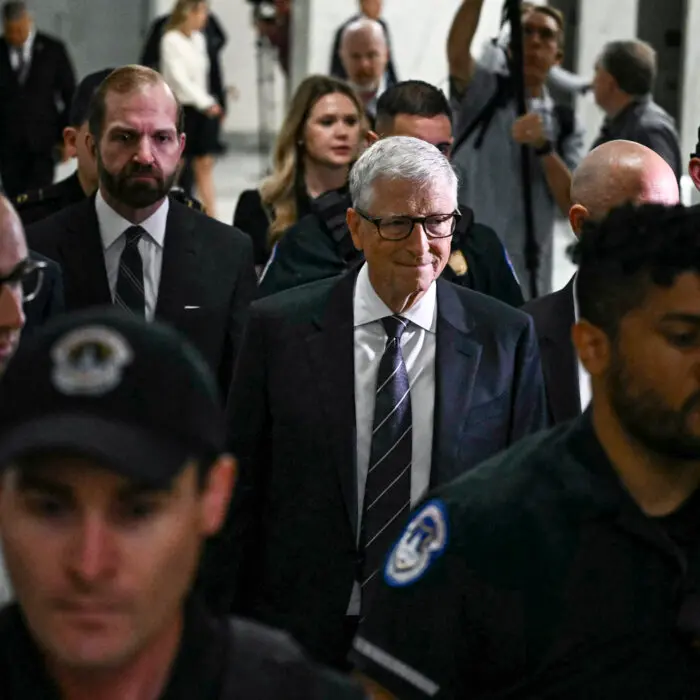
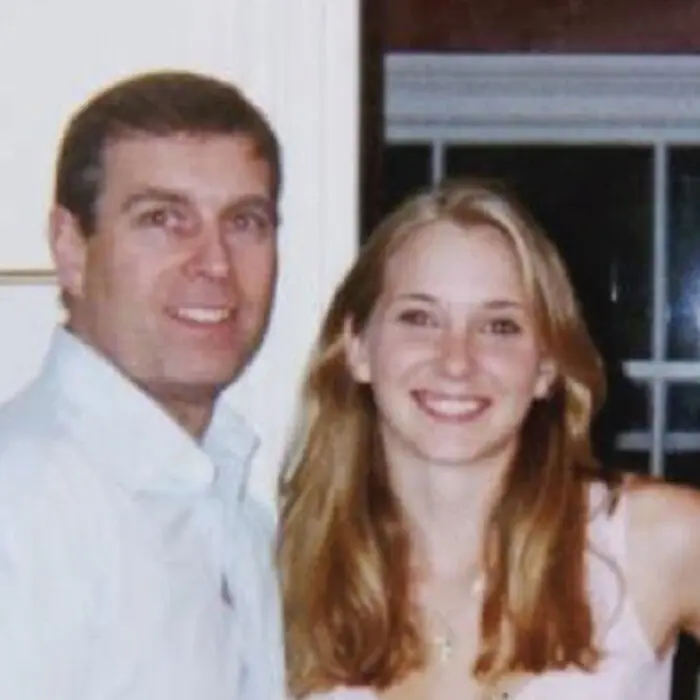
The ruling came in a case brought by journalist Katie Phang, who said that some of the DOJ’s redactions, and withholding of certain documents, from its late 2025 and January 2026 release under the Epstein Files Transparency Act did not follow the law and harmed her ability to report on the files.
Epstein died in prison in 2019 while awaiting trial on charges related to sex trafficking of minors. He was previously convicted of procuring a minor for prostitution.
DOJ lawyers said in a recent brief that Phang did not meet the requisite level of harm for a ruling in her favor, because her “purported ‘information injury’—that withholding these materials deprives victims of the complete truth, frustrates Congress’s transparency goals, and may affect the midterm elections—are generalized grievances that rests entirely on speculation and conjecture.”
Sullivan disagreed, finding that Phang had likely suffered cognizable information injury.
Phang has also offered evidence that the DOJ’s failure to release certain documents and redact some information from others it did make public can be fixed with relief from the court, according to the judge.
“I am interested to see what they do because there really are no excuses that the DOJ now has,” Phang said during a television appearance on Thursday. “So, I am thrilled that we’re actually making some movement on this.”