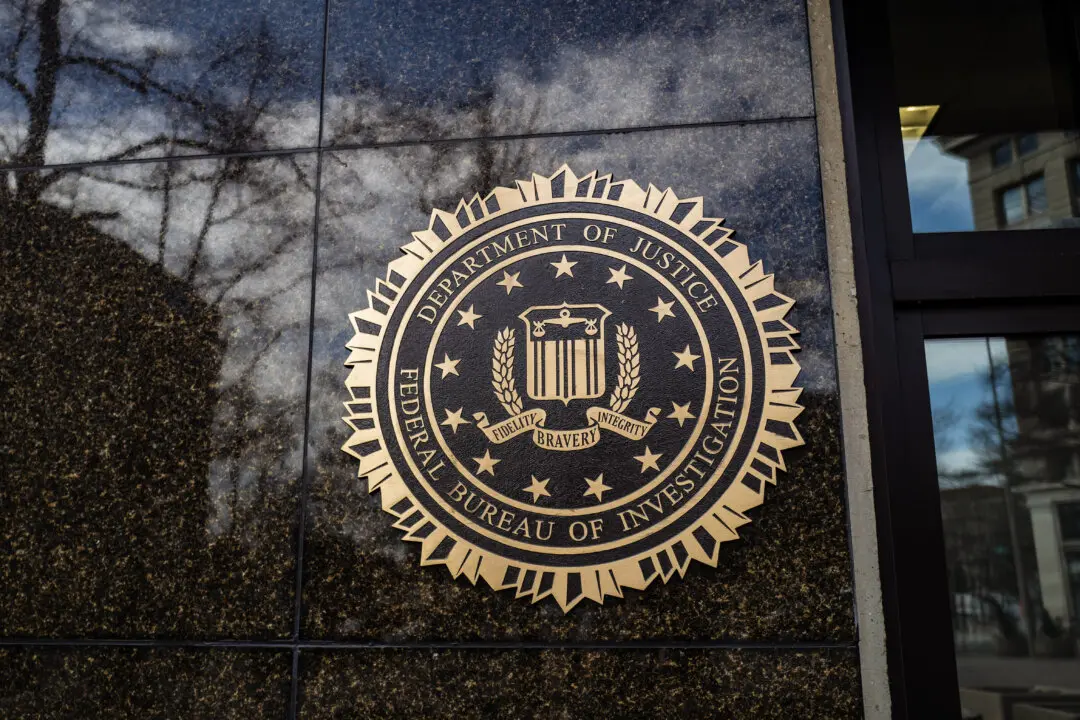
Before getting naturalized in 2010, Carlos Noe Gallegos had “sexually assaulted a child younger than 14 years. Years after he naturalized, Mr. Gallegos pleaded guilty to the sexual assault, and the court issued an order of community supervision,” DOJ said.
During his naturalization process, Gallegos failed to disclose his illegal acts. The court held that Gallegos’s wilful sexual contact with a child was a crime of “moral turpitude.”
Since his criminal conduct reflected negatively upon his character, Gallegos procured his citizenship illegally, even though he was neither eligible for naturalization nor should have been naturalized, the DOJ said.
Gallegos’s involvement in the sexual assault and the subsequent concealment of these material facts warrant the revocation of his naturalization.
“American citizenship is a privilege that this child-abusing monster never should have been able to attain,” Attorney General Pamela Bondi said.

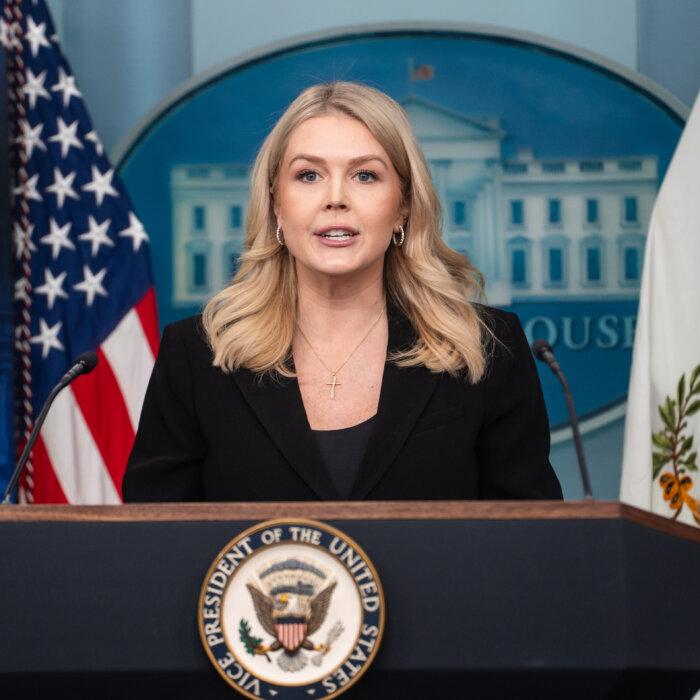
“We will continue ensuring that anyone who conceals such conduct while obtaining naturalization is found out and stripped of their citizenship.”
The Epoch Times was unable to reach Gallegos’s legal representatives.
Instead, revocation of naturalization can occur only in federal courts, it said, adding that denaturalization can be pursued through a civil proceeding or as a result of a criminal conviction.
Two factors typically constitute the general grounds for revocation of naturalization—illegal procurement of naturalization or concealment of a material fact or willful misrepresentation, USCIS said.
“No one who commits atrocities like these is entitled to the precious gift of U.S. citizenship,” Assistant Attorney General Brett A. Shumate of the Justice Department’s Civil Division said.
“We owe it to the American people to protect them from human rights violators who abuse positions of power, wherever they engaged in their offensive acts.”
“Among the top five countries of birth for people naturalizing in FY 2024, Mexico was the lead country, with 13.1 percent of all naturalizations, followed by India (6.1 percent), the Philippines (5.0 percent), the Dominican Republic (4.9 percent), and Vietnam (4.1 percent). The top five countries of birth comprised 33 percent of the naturalized citizens in FY 2024,” the agency said.
“The top five cities (including boroughs) where people who naturalized resided were (in descending order): Miami, Brooklyn, the Bronx, Houston, and Los Angeles.”
Over 37 percent of individuals naturalized in FY 2024 were aged 30-44 years. Women made up 55 percent of the overall number of naturalized citizens, USCIS said.
Applicants must take two tests administered by the agency—one for English language skills and another for civics knowledge.
“Our new version of the test will ensure all new citizens understand the privilege of citizenship and what it means to be an American,” USCIS said.