The Department of Government Efficiency (DOGE) on Feb. 14 announced that it helped terminate hundreds of contracts in the past month or so, providing the first public update on its work in more than a month.
In a Feb. 14 update, DOGE wrote that, over the past four weeks, federal agencies “terminated or descoped” 273 contracts with a top value of $5.1 billion and savings of $1.4 billion.
That included a Department of Homeland Security (DHS) contract to “review the current organization, analyze findings, and provide industry best practices and customer-centric strategic recommendations support to transform and optimize the organizational structure and function” worth $6.7 million, a nearly $1 million War Department professional services contract for leadership training, a $10.2 million War Department contract for “outward mindset training,” and an $11,000 contract for what it called “social indicators research.”
Other contract details were not provided in the latest DOGE update, which was issued on its X account.
While DOGE’s website has not been updated since Jan. 1, the task force stated that its efforts have led to savings of $215 billion, or about $1,335 per taxpayer, so far. More than 13,000 contracts worth around $61 billion have been terminated since DOGE was established last year, while another 15,000 or so grants have been canceled in the same time period.
The Feb. 14 post on X was the first made by DOGE about terminated contracts since Jan. 10, when it announced that it helped terminate 42 wasteful contracts worth a top value of $1.5 billion. Previously, the task force made contract-related posts every week or so.


A DOGE group working in the Department of Health and Human Services announced on Feb. 13 that it “open sourced the largest Medicaid dataset in department history,” referring to the federal health care program for low-income people.
“This dataset contains aggregated, provider-level claims data for a specific billing code over time. For example, using this dataset, it would have been possible to easily detect the large-scale autism diagnosis fraud seen in Minnesota,” it stated, referring to dozens of cases of fraud cases and convictions that were brought in the state.
DOGE was established by President Donald Trump through an executive order soon after he took office last year, and it has been tasked with identifying and removing what officials say are fraud, waste, and abuse within the federal government.
Previously, tech billionaire Elon Musk was associated with the project but left the Trump administration in May 2025 after his status as a special government employee expired.
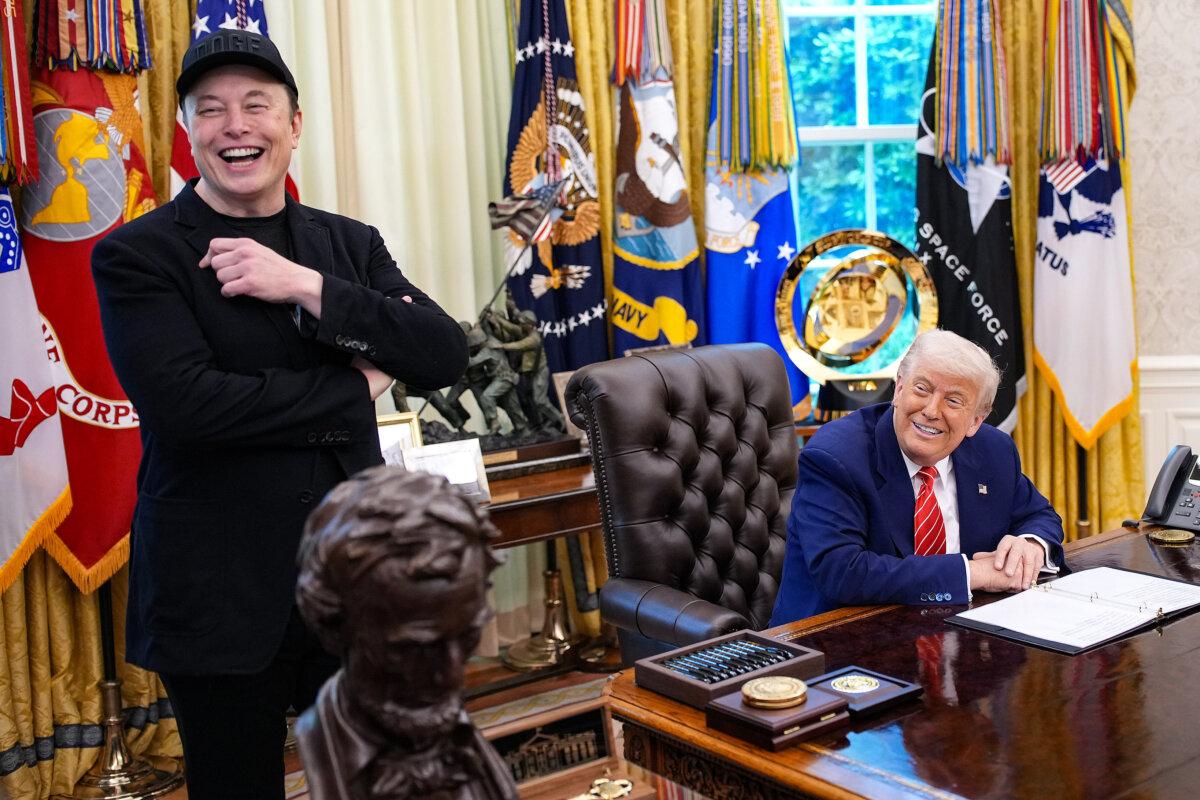
Over the weekend, Musk celebrated DOGE’s release of the Medicaid database and said fraud would now be easy to find within the program.
“Medicaid data has been open sourced, so the level of fraud is easy to identify,” Musk wrote on X, the social media platform he owns. “DOGE is not a department, it’s a state of mind.”
A spokesperson for the Department of Health and Human Services, Andrew Nixon, said in a statement provided to media outlets last week that the database would be used to find “aggregated data to increase transparency and accountability beyond what is currently available.” He noted that the release of that information “will comply with federal privacy laws.”