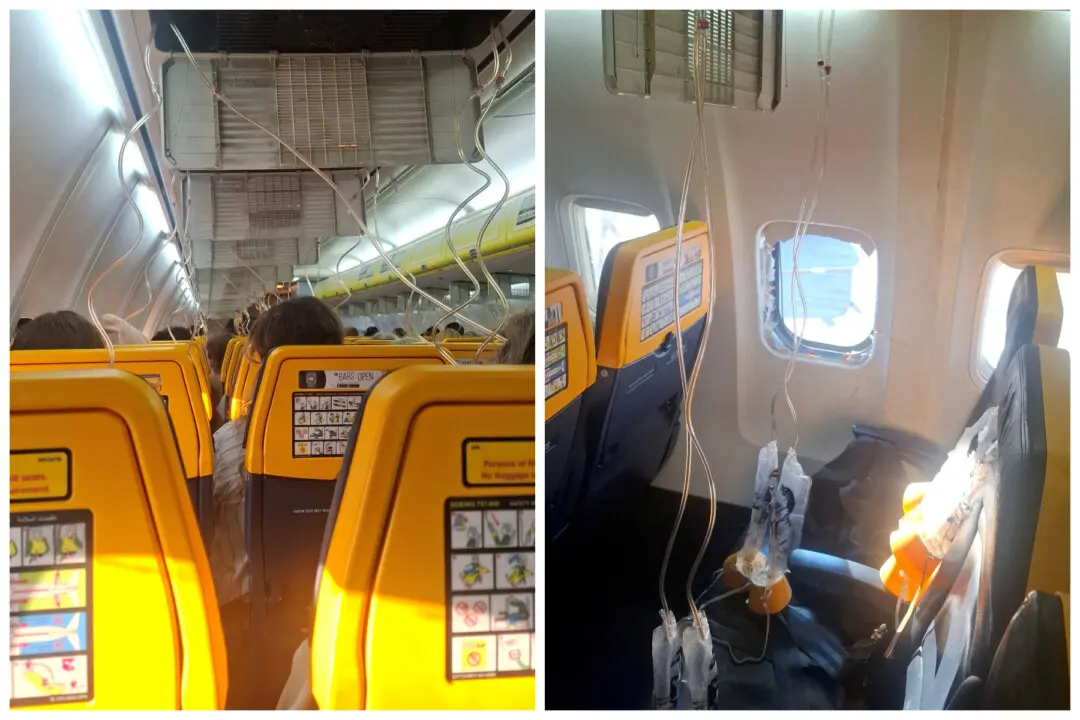
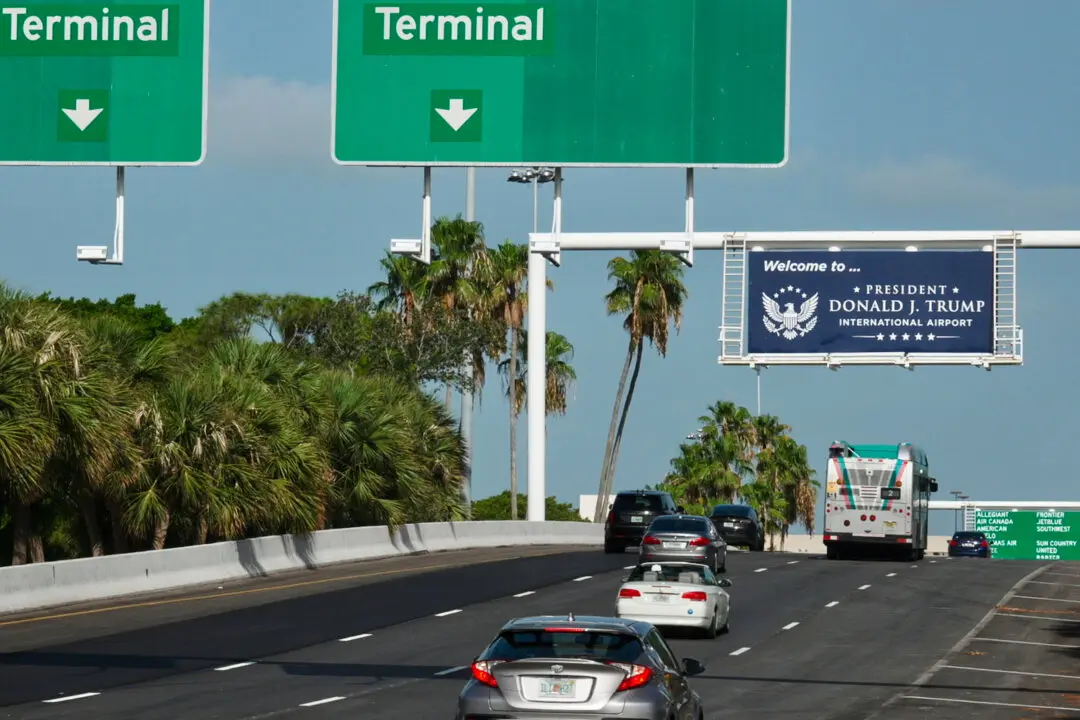
The government shutdown, the longest in U.S. history, reached its 40th day on Nov. 9; the funding lapse has led to disruptions in flights nationwide, left federal workers without pay, and threatened access to food assistance for millions of needy Americans as Congress vies for an end to the shutdown.
The Senate stayed in Washington over the weekend in the hope of brokering a deal to end the standoff that has stretched into its sixth week.
However, lawmakers made little progress. Republicans are hoping to hold votes on a new package of bills that aim to fund the government through January while also granting full-year funding for several portions of the government. It is unclear whether there will be enough support from Democrats for these efforts to succeed.
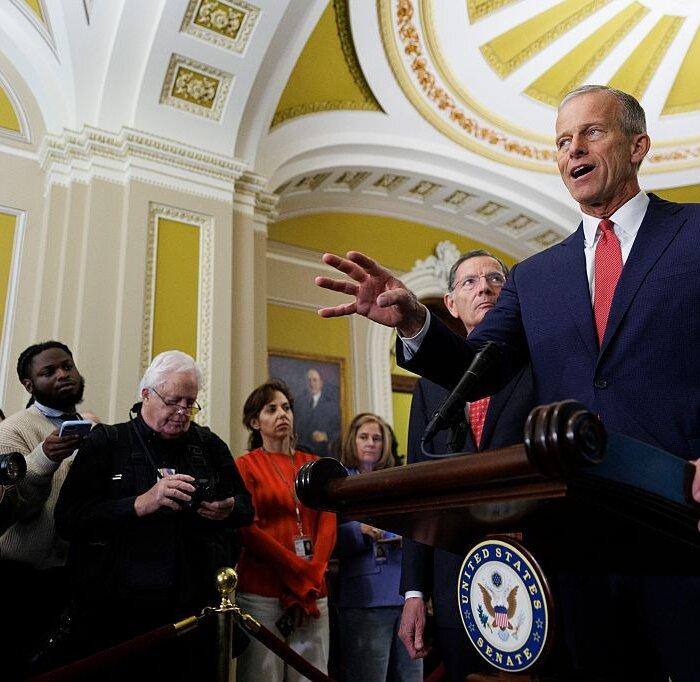
Senate Majority Leader John Thune (R-S.D.) said on Nov. 8 that lawmakers are “only a handful of votes away” from approving a bill to fund and reopen the government.
Democrats have reiterated their position on retaining subsidies for health plans in the Affordable Care Act marketplace, which millions of Americans rely on for medical insurance coverage. The Affordable Care Act is former President Barack Obama’s health care law, also known as Obamacare.
Republicans have said no to using an extension of health care subsidies as a precondition for reopening the government but are signaling a willingness to consider a new proposal from a small group of moderate Democrats to end the shutdown if the Senate agrees to hold a later vote on the expiring subsidies.
Premiums are expected to more than double next year for those enrolled in the Affordable Care Act health care marketplace if Congress does not offer extensions.
Sen. Bernie Sanders (I-Vt.), who caucuses with the Democratic Party, said vowing to hold a later vote on extending the subsidies would be a “wasteful gesture” without “the commitment of the speaker of the House that he will support it and that the president of the United States will sign it.”
President Donald Trump has pushed congressional Republicans to hold the line in shutdown negotiations with Democrats. He recently pressed lawmakers in his party to get rid of the Senate’s filibuster rules that require support from at least 60 senators to advance most legislation.
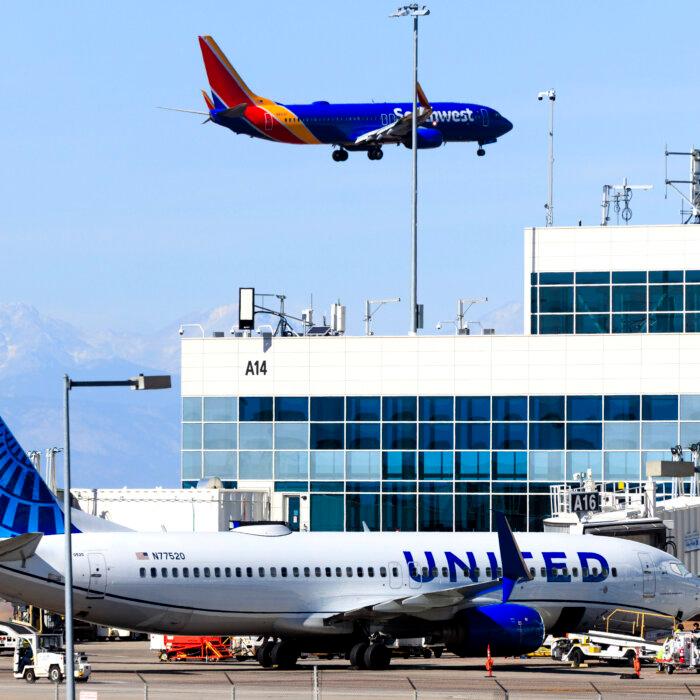
The decision followed weeks of previously understaffed air traffic controllers working without pay and beginning to show signs of fatigue, the Federal Aviation Administration stated, prompting the agency to take this action for the first time in history. Before issuing the emergency order, tens of thousands of flight delays and cancellations were seen throughout the country since the shutdown began on Oct. 1.
The ruling will remain in place until 48 hours after the appeals court rules on the case. It gives the administration enough time to go back to the Supreme Court if the appeals court does not step in.
After 40 days of the ongoing government shutdown, thousands of federal employees continue to go without pay, including those, such as air traffic controllers, who are deemed essential and must continue showing up to work in safety-critical positions.
Sen. Gary Peters (D-Mich.) said he was worried the measure left “too much discretion up to President Trump.”
“There’s too much wiggle room for the administration to basically pick and choose which federal employees are paid and when,” he said.
Republicans responded by saying that the bill was a “straightforward approach that addresses that issue.”