The Department of Homeland Security (DHS) asked the Supreme Court on June 24 to clarify its emergency order from the day before that temporarily allowed the government to deport illegal immigrants to third countries to which they have no connection.
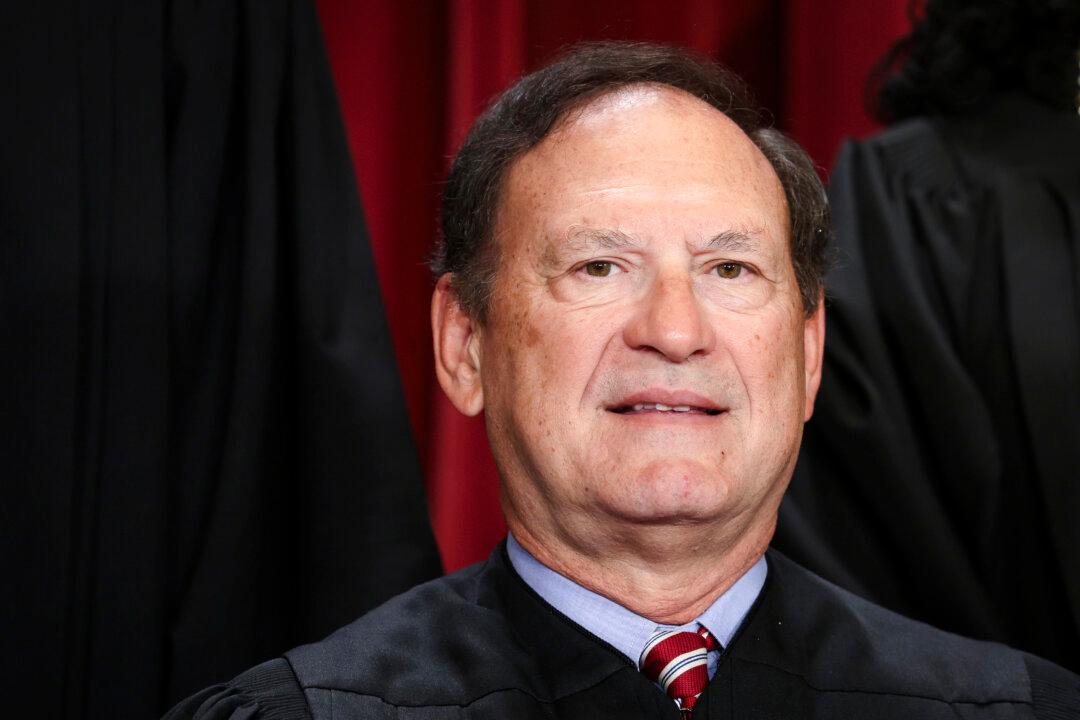
In the Supreme Court’s 6–3 ruling on June 23, three justices—Sonia Sotomayor, Elena Kagan, and Ketanji Brown Jackson—dissented.
Sotomayor wrote that the government has wrongfully deported plaintiffs to South Sudan, “a nation the State Department considers too unsafe for all but its most critical personnel.”
The procedures spelled out in the court order issued by Judge Brian Murphy of the U.S. District Court for the District of Massachusetts “usurped the president’s authority over immigration policy” and “are currently wreaking havoc on the third-country removal process,” DHS stated in the May filing.
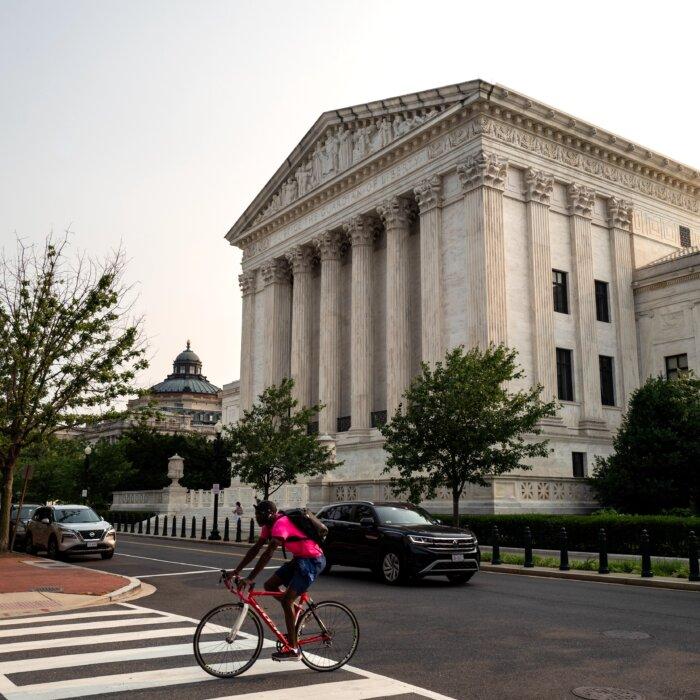
In the DHS’s new filing on June 24, the department said that hours after the Supreme Court acted late on June 23, the district court issued an order stating that one of its rulings enforcing its injunction “remains in full force and effect” despite the Supreme Court’s ruling.
The district court order would prevent the government from acting and “is a lawless act of defiance, that, once again, disrupts sensitive diplomatic relations and slams the brakes on the Executive’s lawful efforts to effectuate third-country removals,” DHS argued in the new filing.
The brief confirmed that the individuals are being detained at a U.S. naval base in Djibouti and said Murphy’s May 21 order “is the only shield that preserves and protects their statutory, regulatory, and due process rights to seek protection from torture in South Sudan.”