Democrats continued pushing for extending enhanced Affordable Care Act (ACA) premium tax credits before they expire at the end of December.
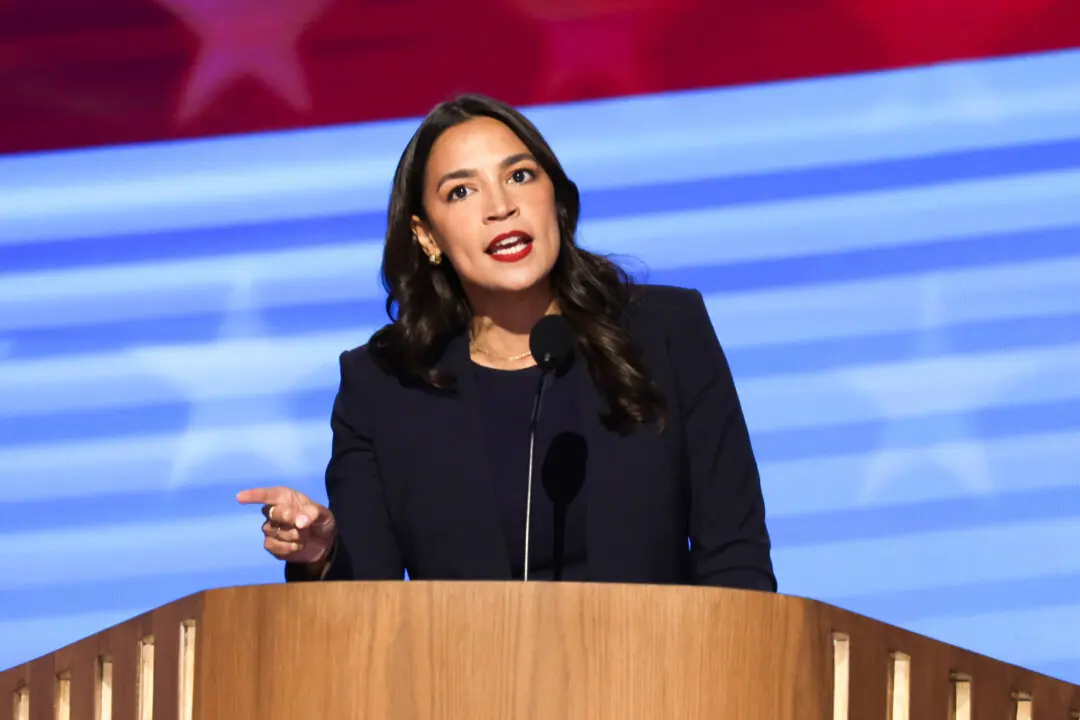
At a Capitol press conference on Dec. 1, House Democratic Leader Hakeem Jeffries (D-N.Y.) said “the clock is ticking” with about 30 days left before the tax credits lapse. He said that “tens of millions of Americans are about to experience dramatically increased healthcare costs” if Congress does not act and that Democrats are backing a three-year “straight extension” and have filed a discharge petition to force an up-or-down House vote.
Jeffries said all but one House Democrat have already signed the petition and predicted “complete and total unity” in his caucus. He said that Democrats “only need a handful of House Republicans to join” them to advance the bill and said there have been informal member-to-member talks with Republicans, including around a separate two-year concept that would include what he called “modest reforms.”
In a separate letter to lawmakers earlier in the day, Jeffries said the fight was part of a broader cost-of-living agenda. He said Republicans “promised to lower costs on day one” but that housing, grocery, childcare, and electricity bills “are skyrocketing.” He blamed what he called “Republican refusal to extend the Affordable Care Act tax credits” for an impending “healthcare crisis.”
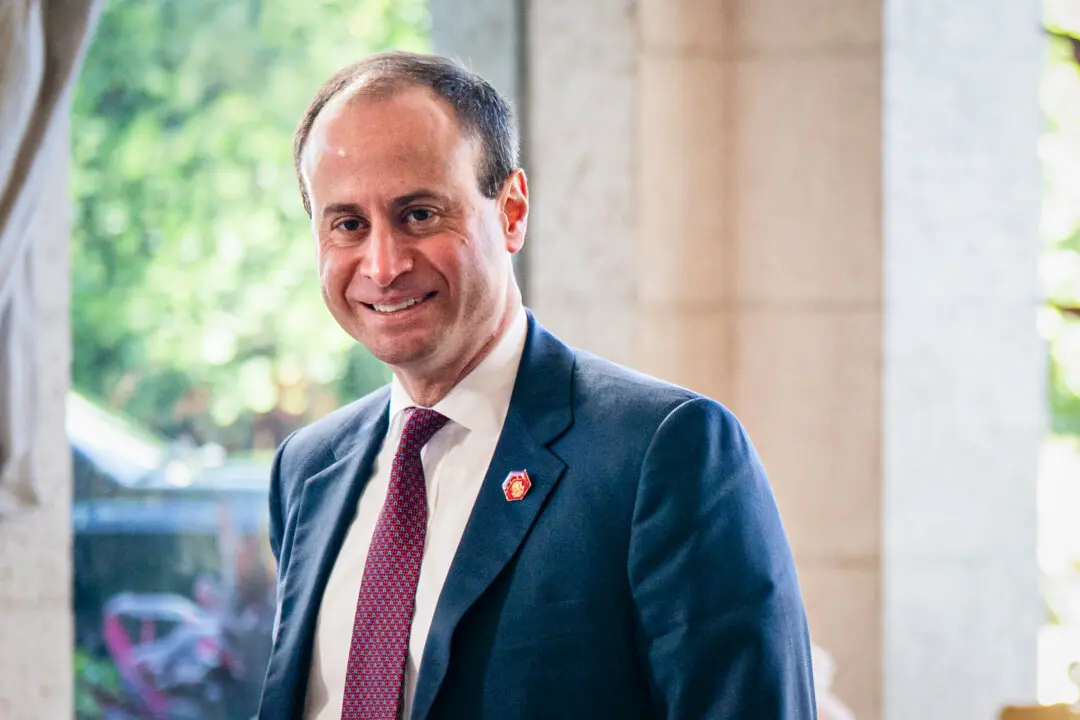
Democrats in the Senate are moving on a parallel track. Sen. Angus King of Maine, an independent who caucuses with Democrats, told CNN Monday morning there is not enough time to design a major new health plan before the credits expire. King said Congress should “extend them for a year, and then we can talk about various options” for changing the credits or other parts of the ACA.
King also pointed to the agreement that ended the recent government shutdown, which included a promise from Senate leaders to hold a mid-December vote on a Democratic bill. He said that the vote will show “exactly where the members of the Congress stand on whether these exorbitant premium increases are going to go into effect,” adding that the outcome could affect “millions and millions of Americans” and cause some people to lose coverage.
The Democratic National Committee (DNC) is reinforcing the message, saying in a Dec. 1 statement that on Jan. 1, millions of Americans could face drastically higher premiums and blaming Trump and Republicans.
Republican officials reject the accusations, noting that Democrats made the subsidies temporary in the first place.
“President Trump and Republicans are focused on lowering costs and delivering better healthcare for hardworking Americans—not bailing out the unaffordable system Democrats built and set up to collapse,“ Republican National Committee spokesperson Kiersten Pels said in a statement emailed to The Epoch Times. ”Democrats designed the Obamacare subsidies to expire after passing the law without a single Republican vote, and yet they blame Republicans for their mess.”
Republicans have publicly been divided over how to address health care costs associated with the expiration. The White House did not respond to a request for comment by The Epoch Times.
A few Republicans from states with large marketplace enrollments have publicly signaled worry about the impact of allowing the subsidies to expire, but none have yet broken with party leaders to back a Democratic extension bill.
Democrats say the discharge petition in the House and the promised vote in the Senate are designed to force members in both parties to take a clear position before premiums for 2026 are finalized.
Jeffries said his side remains “open to finding a bipartisan path forward,” but argued that, given the calendar, “the only viable path forward” now is a direct extension of the existing tax credits, whether for one year or three.