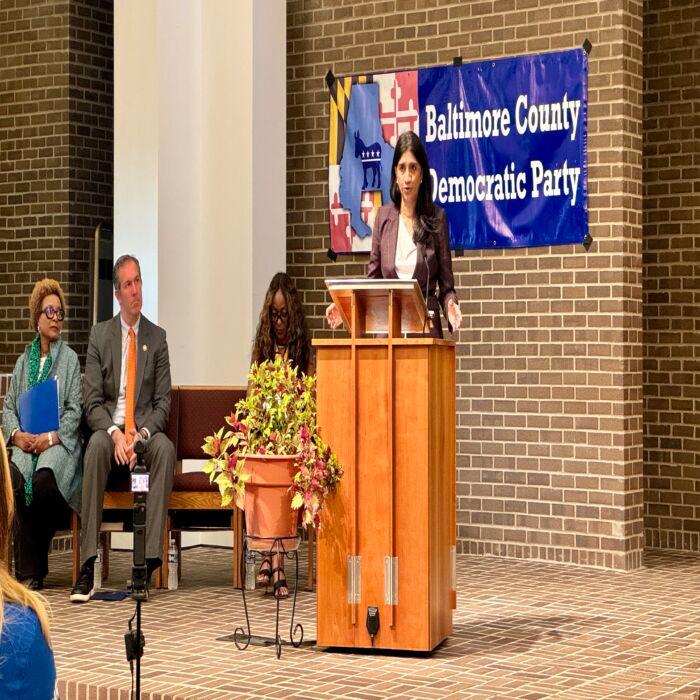
Across the United States, Democrats are hosting town halls, where voters can ask questions or make statements to party leaders. Most attendees come prepared to ask about “what went wrong” and how the party can communicate better with its voters—questions for which they say there is not yet a clear answer.
In the 2024 presidential election, the Democratic Party saw its vote share across demographics collapse. Many men—especially black and Hispanic men—deserted the Democrats, with those two groups swinging 35 percentage points in the Republicans’ direction.
Since then, much of the public commentary by party leaders and progressives has involved scrutiny of their loss.
At several Democratic town halls attended by The Epoch Times, local party officials and voters mainly attributed their 2024 loss to a lack of communication.
“We’ve nationalized our politics so much right now [and that] has made folks want to be disengaged,” Anderson Clayton, chair of the North Carolina Democratic Party, told The Epoch Times after a May town hall in New Bern, North Carolina. “[It] has made us lose elections.
“People do not feel like we’re talking enough about the issues that are actually impacting their everyday lives, which is the economy.”
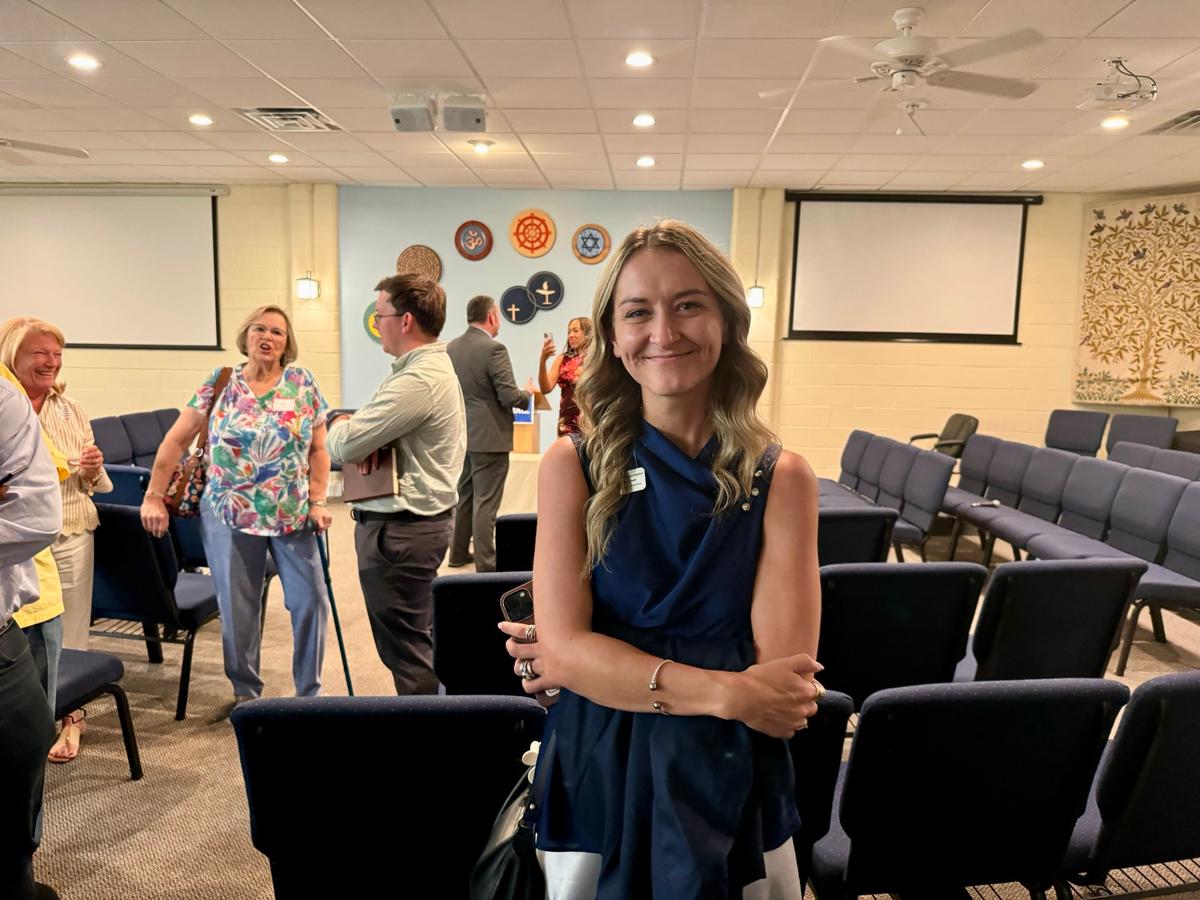
Rank-and-file Democrats concurred. They said the party focused too much time on negative messaging in 2024, such as attacks on the Heritage Foundation’s “Project 2025,” which made the party lose credibility with voters.
“We were talking about ‘Project 2025’ and I think people didn’t believe us,“ Diane Tyndall, treasurer of the Craven County Democrats in North Carolina, said. ”[They] didn’t think it was going to happen.”
Tim Witherspoon, candidate for a school board seat in Bucks County, Pennsylvania, told The Epoch Times: “Democrats try to fight ... the anger with anger, and I don’t think that that’s a good way to get the message out. I think that we have to fight that anger with our positive message.”
Democrats at the town halls did not question the popularity of their policies. Some Democrats, such as California Gov. Gavin Newsom and Rep. Seth Moulton (D-Mass.), have suggested that some progressive posturing on social issues, particularly transgender rights, cost the party votes. At these town halls, voters said they believed that they could still win with the same ideas, if they were better articulated.
The ‘Joe Rogan’ Question
With regard to messaging, Democrats expressed frustration with their party’s method of communication through mainstream news networks and “safe” spaces with progressive figures, such as late-night talk show hosts. They lamented the unwillingness of candidates to appear on conservative and nontraditional media.“They said something stupid years ago and, therefore, we can’t go on there, because then we'll get canceled by our own people.”
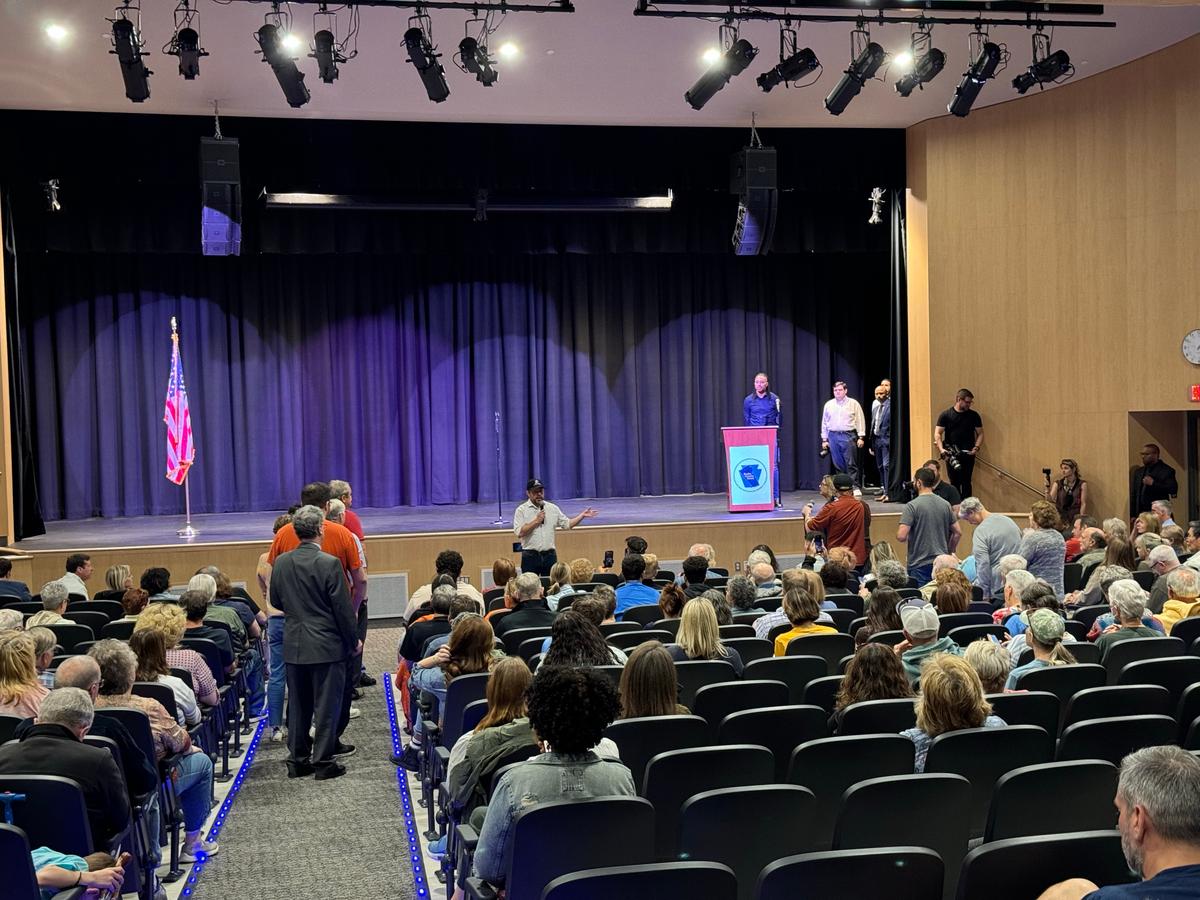
Former Vice President Kamala Harris’s failure to appear on “The Joe Rogan Experience” is a sore point. President Donald Trump’s appearance on the show received a positive response; Rogan endorsed Trump’s candidacy after the interview.
“The Republican Party did really well last cycle ... supporting influencers, podcasts,“ Reyna Walters-Morgan, Democratic National Committee vice chair for civic engagement and voter participation, said at the town hall in New Bern. ”They were working with influencers who had followings that were 10,000 people, less than 10,000 people.”
She said that despite these influencers’ apparently small audiences, Republican engagement helped connect with undecided voters and led to votes for Trump.
“They weren’t on political podcasts [but] were on dating podcasts or fitness podcasts,“ Walters-Morgan said. ”They’re sending their messages in places where people were talking about everyday issues, everyday items, and then throwing in conservative right rhetoric in the middle. ... it worked.
“Unfortunately, I think we’re about three to five years way too late and behind where Republicans are.”
But some Democrats are taking action. In recent months, several possible 2028 contenders have started their own podcasts or appeared on podcasts popular among young men.
Newsom has interviewed conservatives, including former Trump strategist Steve Bannon and Turning Point USA co-founder Charlie Kirk, on his podcast. Kentucky Gov. Andy Beshear also launched his own podcast earlier this year.
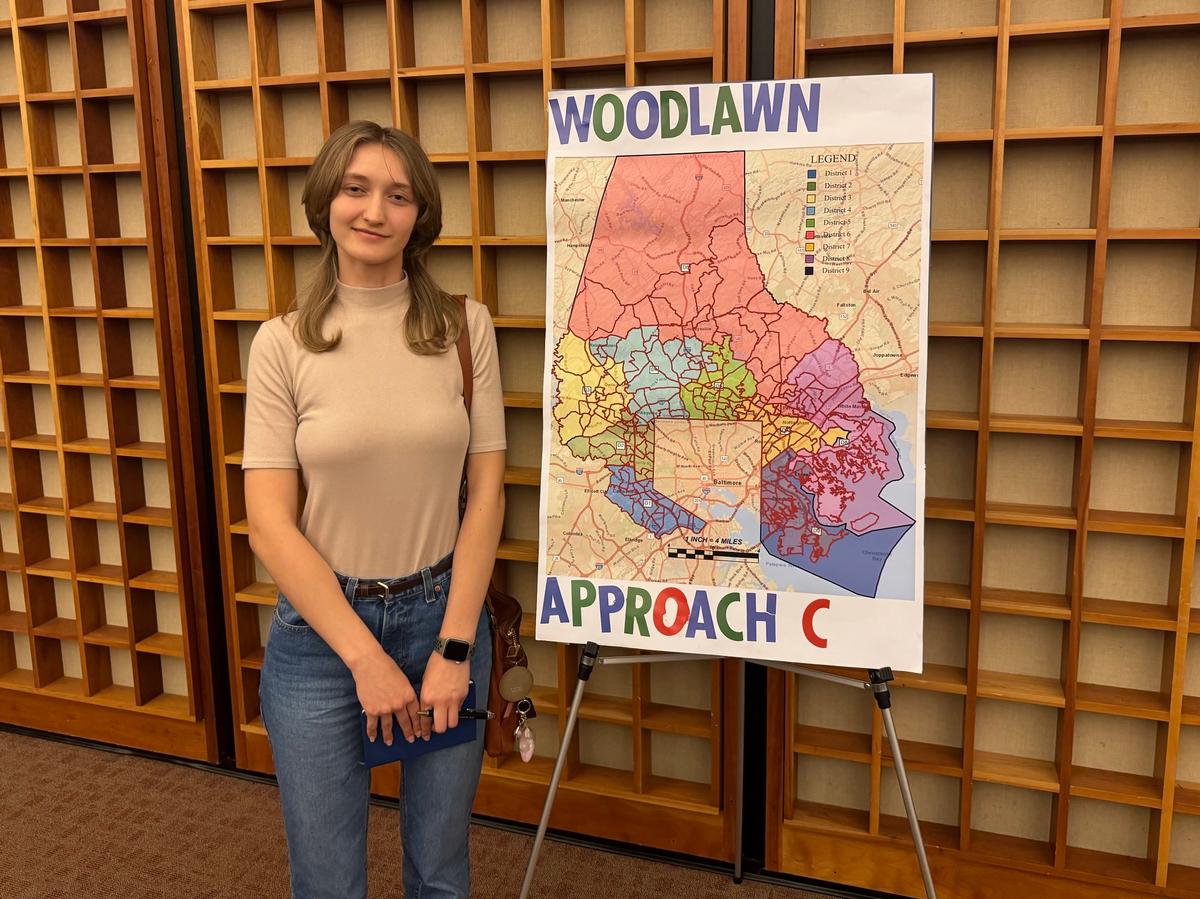
One Democratic voter said the party’s social media outreach and spending need to be constant and not merely conducted around elections.
“You can have these town halls,” Victoria Kovtun, a student at the University of Maryland, told The Epoch Times. “But in order to reach the average person that doesn’t go to these town halls, that isn’t as motivated or as informed, you need to connect with them through social media—really push.”