Democratic mayors across the country said they are preparing emergency measures to help families at risk of losing food assistance as the federal government shutdown enters its fifth week and Supplemental Nutrition Assistance Program (SNAP) benefits are set to expire on Nov. 1.
On Oct. 30, the Democratic Mayors Association hosted a press call. Mayors from Alabama, Arizona, Ohio, and Pennsylvania described escalating strain locally and said city governments are being forced to fill a federal void.
“This is not something we want to do, but it’s necessary because ... as I’ve shared with our local community, food and nutrition is not a choice,” Randall Woodfin, mayor of Birmingham, Alabama, said.
Woodfin said he has asked the city council to approve up to $1 million in funding for food and nutrition programs, citing 23,000 families in Birmingham who rely on SNAP benefits. The money would be distributed through local nonprofits and churches already coordinating food drives and donations, he said.
In Arizona, Tucson Mayor Regina Romero said roughly one in seven of her city’s residents faces food insecurity, and that the city is anticipating increased demand for emergency food boxes.
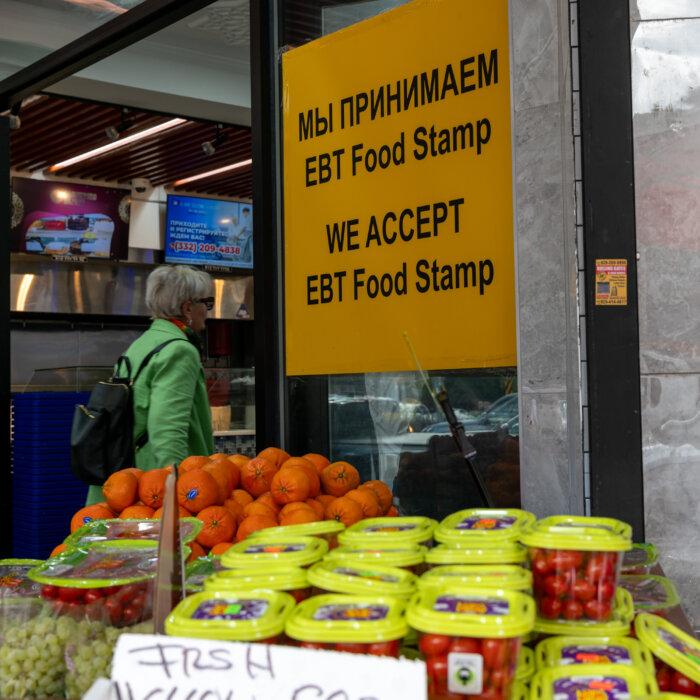
In Pennsylvania, Scranton Mayor Paige Cognetti said her city is accelerating its annual “Heart of Scranton” fundraiser to support food pantries after seeing “a one-two punch” of frozen federal funding and lower charitable contributions.
“We shouldn’t have to be left holding the bag here in our communities,” Cognetti said, noting that the city had been getting messages from every corner of Scranton, with some people asking how to help and others where to go if their benefits run out on Nov. 1.
Senate Majority Leader John Thune (R-S.D.) called the measure a “ruse,” saying that Democrats were seeking political cover instead of ending the month-long shutdown.
Thune said the bill failed to pay troops, law enforcement officers, and other essential workers. Senate Minority Leader Chuck Schumer (D-N.Y.) said Republicans were “afraid of President [Donald] Trump” and would be responsible if food aid lapsed.
“The Democrats have caused the problem,” he said, noting that negotiations must include discussions on “fixing health care” and the expiring Affordable Care Act subsidies, which are key concerns for Democrats. The Affordable Care Act is former President Barack Obama’s health care law, known as Obamacare. Trump said he is willing to meet with them once they agree to reopen the government.
SNAP supports roughly 42 million Americans each month, or about one in eight people nationwide, and benefits are set to lapse on Nov. 1.