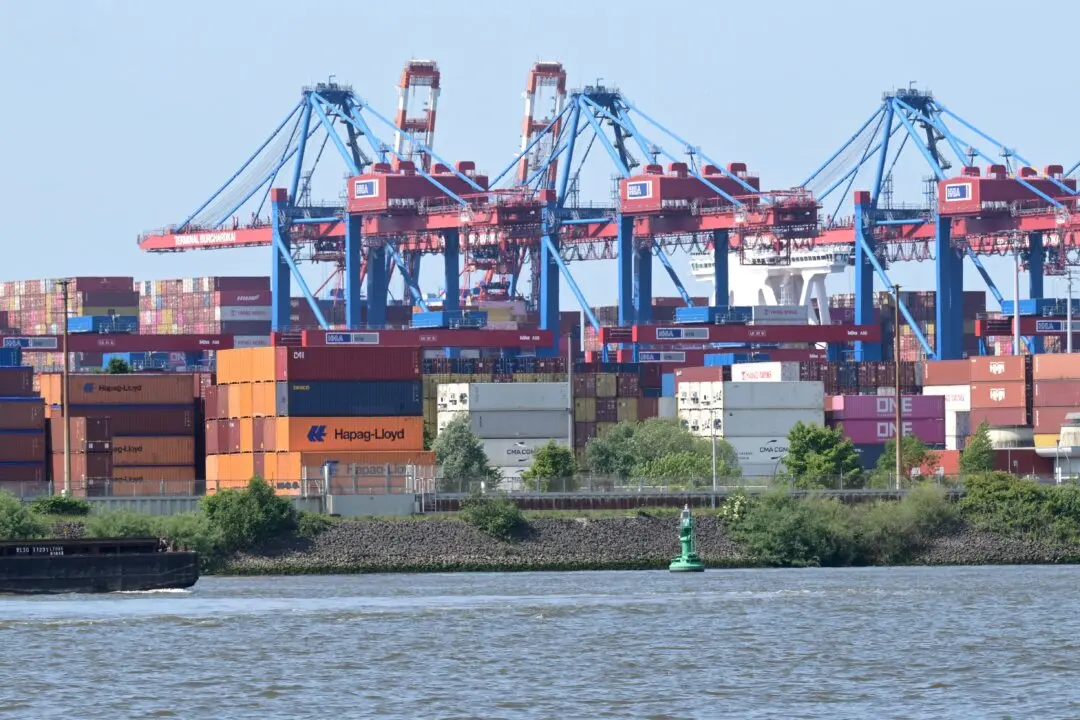
A coalition of 22 Democratic attorneys general is opposing the Trump administration’s tariffs on countries accused of failing to stop forced-labor goods from entering global supply chains.
California Attorney General Rob Bonta and the other attorneys general said on July 6 that the proposed tariffs are unlawful, would raise prices for American consumers, and are being used as a pretext to revive broad tariffs previously struck down by the Supreme Court.
In a statement, Bonta said that the measures would cover countries responsible for more than 99 percent of U.S. imports and accused the administration of trying to achieve what it could not through previous attempts.
“We urge the Administration to immediately halt this attempt. Tariffs are taxes, and the American people cannot shoulder extra costs,” Bonta said.
In a July 6 letter to the U.S. trade representative, the coalition said that the proposed tariffs were not sufficiently connected to the forced-labor concerns cited by the administration and should be abandoned.
The letter was signed by the attorneys general of Oregon, California, Arizona, Colorado, Connecticut, Delaware, Illinois, Maine, Maryland, Massachusetts, Michigan, Minnesota, Nevada, New Jersey, New Mexico, New York state, North Carolina, Rhode Island, Vermont, Virginia, Washington, and Wisconsin.
They said that if finalized, the proposal would “continue sweeping and economically harmful tariffs,” and would also allow the executive branch “to usurp the taxing power of Congress.”
They also said while the United States government “should continue to take steps to eliminate forced labor around the globe,” they claimed that the proposal “uses forced labor as a pretext to continue an illegal tariff scheme that is so broad that it defies its stated aims.”
In June, the Trump administration said that dozens of countries do not adequately prevent goods made with forced labor from entering their markets and supply chains.
It said that this disadvantages American workers and businesses, so it wants to impose extra tariffs of 10 or 12.5 percent on virtually all goods imported from those economies.
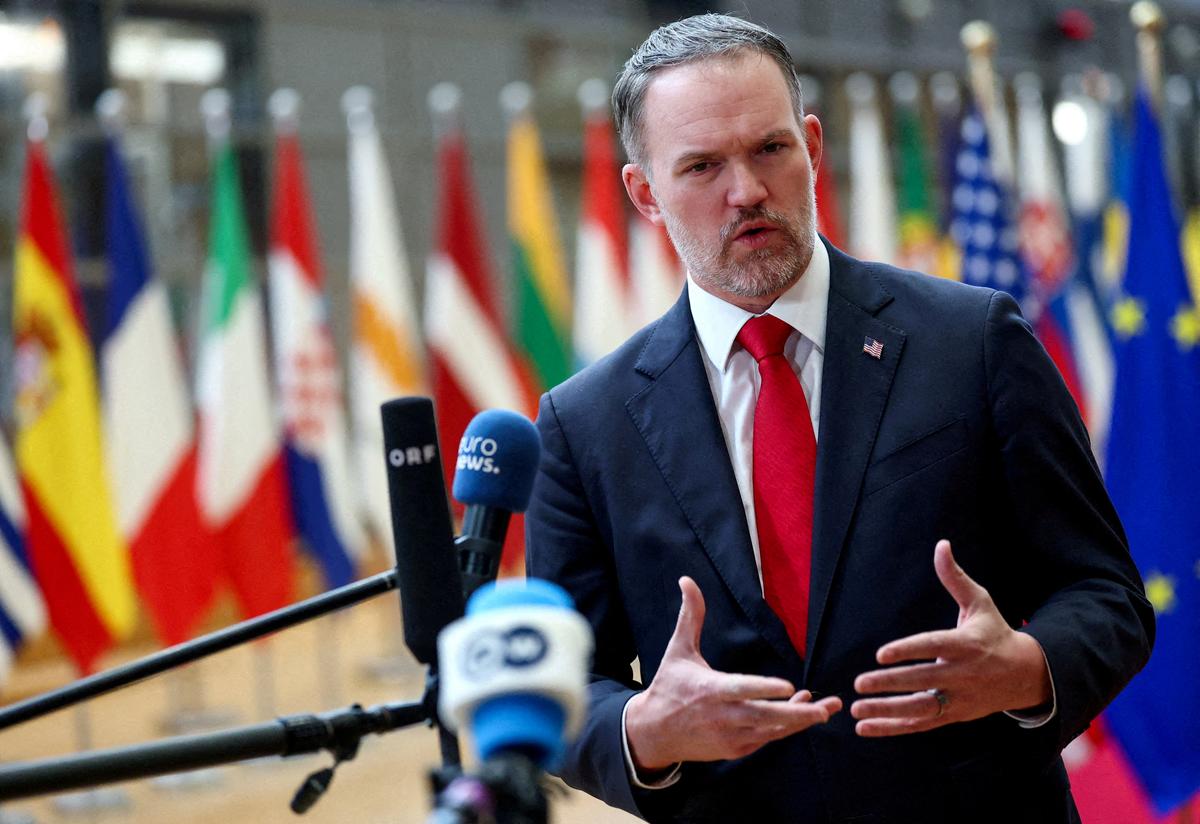
“The failure of our most important trading partners to address the importation of goods made with forced labor is unacceptable. This creates a dynamic where American workers are forced to compete globally on an unlevel playing field,” U.S. Trade Representative Jamieson Greer said in a June 2 statement.
“We will no longer tolerate this disparity. Some trading partners have taken initial steps to prevent the importation of forced labor goods, including through USMCA and commitments in Agreements on Reciprocal Trade. However, each of our trading partners must do more to ensure that trade does not perversely encourage and entrench forced labor globally.”
Under the proposal, 16 economies, such as Canada, Mexico, the UK, and the EU, would face 10 percent tariffs for allegedly failing to institute forced-labor restrictions. Others, including China, India, and Japan, would face a 12.5 percent tariff.
In its report, Greer wrote that the “failure of each of the investigated economies to impose and effectively enforce a forced labor import prohibition” was found to be unreasonable.
These U.S. trade partners undermine the “universal aim of eliminating forced labor,” Greer’s office said, and unfairly distort market conditions in favor of companies that use forced labor while undermining the profitability of companies that do the right thing.
As examples of markets believed to be at high risk of distortion from exploitation of forced labor, the report listed China’s polysilicon production for the solar panel supply chain; China-made cotton exported to Bangladesh, Hong Kong, Japan, the Philippines, and Vietnam; rice production in Burma; tobacco from Malawi; and beef from Brazil.
The Supreme Court ruled in February that the tariffs imposed by Trump on U.S. trading partners under the International Emergency Economic Powers Act were unlawful.
Within hours of the decision, the Trump administration stated that it would move to enforce new tariffs under other trade statutes, Sections 232 and 301, that it argued rest on firm legal ground.
USTR is holding hearings on the proposed actions in these investigations on July 7.
The Epoch Times has contacted USTR for a response.