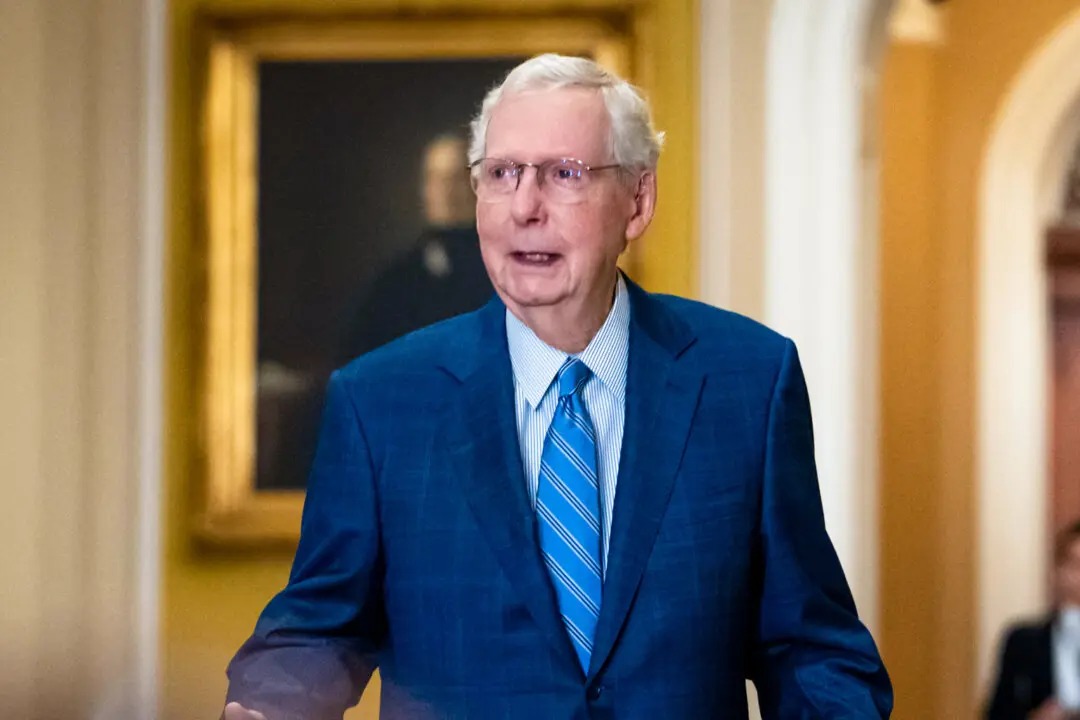
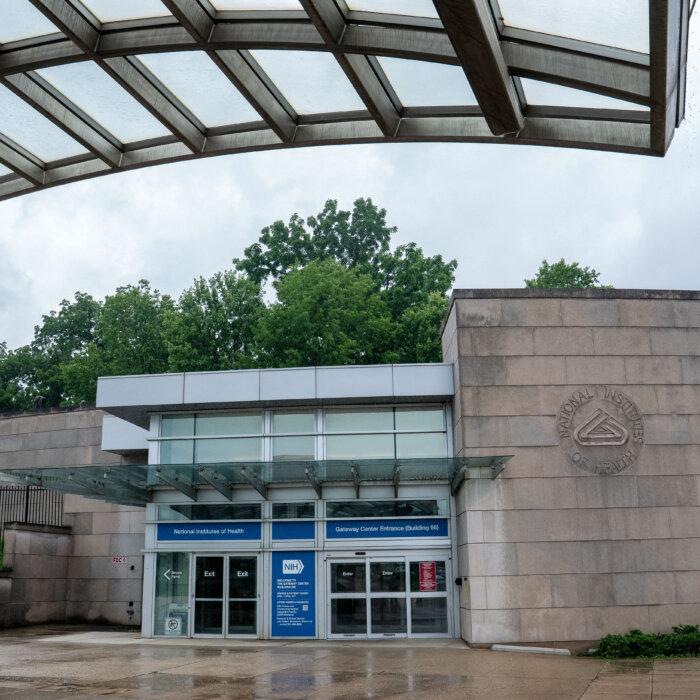
The National Institutes of Health (NIH) must reinstate grants that it ended before being sued by states and organizations, an appeals court has ruled.
U.S. District Judge William Young ruled then that directives leading to the NIH’s terminations were illegal because they constituted racial discrimination as well as discrimination against individuals who identify as lesbian, gay, or transgender.
In an emergency motion, federal officials asked the First Circuit to stay the ruling as the litigation continues.
Young’s ruling was erroneous because the case should have been dealt with in the Court of Federal Claims, the officials said.
The appeals court sided with the groups.
The panel said the government is unlikely to succeed with its position that the judge lacked the jurisdiction to review the directives.
“Instead, the court likely had jurisdiction to enter the orders here—which provided declaratory relief under the APA independent of any contractual language—to ‘[set] aside an agency’s [actions]’ as arbitrary and capricious; the fact that the orders ’may result in the disbursement of funds’ did not divest the court of its jurisdiction,” it said.
The circuit court also said Congress has directed the NIH to prioritize or consider certain research objectives, including some that appear to fall within categories targeted by the directives that led to the terminations.
Rikelman wrote that the court “sees no obvious error” in Young’s conclusion that the government’s actions were arbitrary and capricious, in violation of the APA.