
A federal court has given Mississippi the green light to enact a law requiring social media users to verify their age, a move that has been met with approval from parental activists and criticism from tech industry groups.
A three-judge panel of the Fifth Circuit U.S. Court of Appeals overruled a federal district court decision blocking implementation of the law last year. It was initially set to take effect in July 2024 prior to U.S. District Judge Sul Ozerden’s ruling to block implementation of the law.
“Enacted after a sextortion scheme on Instagram led a 16-year-old Mississippian to take his own life, the Act imposes modest duties on the interactive online platforms that are especially attractive to predators,” Mississippi Attorney General Lynn Fitch wrote in court documents that urged the court to let the law take effect.
Parents, experts, and teens themselves have grown concerned about the impacts that social media has had on young people. Practically every major social media platform—including Instagram, Facebook, Snapchat, TikTok, and others—require users to be 13 years old or older.
Supporters of the Mississippi law—and laws like it across the United States—say that age verification requirements can reduce the risk of anxiety and depression, which some experts say can be caused by social media usage.
In a court filing to the appellate court, Fitch said that implementation of age verification requirements could help mitigate potential harm to children on social media sites, including “sex trafficking, sexual abuse, child pornography, targeted harassment, sextortion, incitement to suicide and self-harm, and other harmful and often illegal conduct against children.”
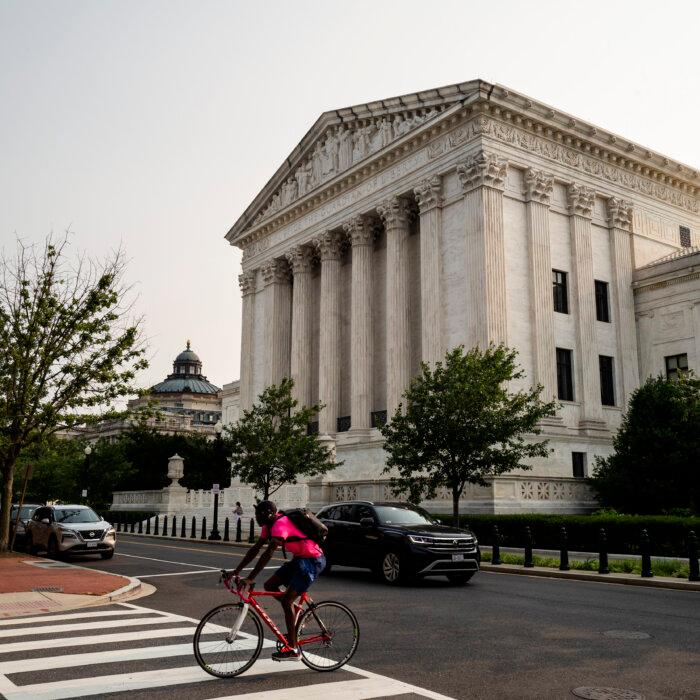

Attorneys for NetChoice, which brought the lawsuit, will continue to challenge the law despite the setback, the group said. They claim that the law threatens privacy rights and restricts free expression for users.
Paul Taske, co-director of the NetChoice Litigation Center, said the group is “very disappointed” in the ruling and is “considering all available options.”
“NetChoice will continue to fight against this egregious infringement on access to fully protected speech online,” Taske said. “Parents—not the government—should determine what is right for their families.”
The group has filed lawsuits related to similar issues in Arkansas, Florida, Georgia, Ohio, and Utah, and represents several of the largest social media platforms.