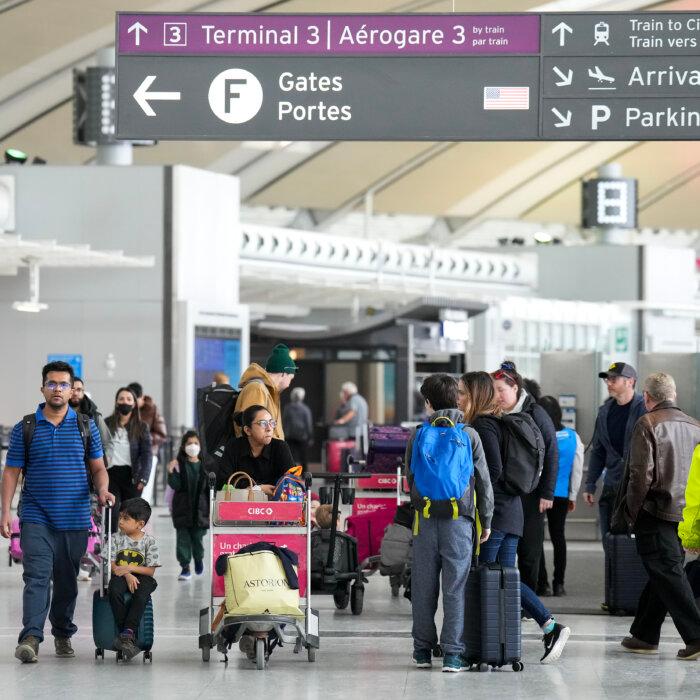
The U.S. Department of Transportation (DOT) saw a surge in consumer complaints about air travel last year, reaching levels not seen since 2020—when many flights were canceled because of the COVID-19 pandemic.
Complaints made up an average of 91 percent of the 2023 submissions, according to the report.
The DOT stated that it had to delay the release of the data until July because of the “high volume” of complaints that it received against airlines and ticket agents last year.
Of the total submissions received in 2023, 67,661 complaints (70 percent) concerned U.S. carriers, 24,991 (26 percent) concerned foreign air carriers, and 3,162 (3 percent) were related to travel companies, according to the report.
The spike in complaints occurred despite that the flight cancellation rate in 2023 was at a record low of under 1.2 percent—the lowest level in more than a decade despite “a record amount of air travel,” the report stated.
The DOT received 2,685 complaints about airlines’ treatment of passengers with disabilities last year, up from 2,098 in 2022. Complaints about discrimination—mostly related to race and country of origin—also rose from 176 in 2022 to 223 last year.
The DOT said it was working on modernizing its system for handling consumer complaints, which will enable its Office of Aviation Consumer Protection to oversee the airline industry more effectively.
According to the DOT, it has overseen the return of nearly $4 billion in refunds and reimbursements owed to airline passengers since 2021. That includes more than $600 million to passengers affected by the Southwest Airlines Christmas holiday chaos in 2022.
In April, the DOT announced new rules for airlines aimed at protecting consumers from hidden fees when booking flights and ensuring that they receive refunds when flights are delayed or canceled.
Under the new rules, airlines and ticket agents will be required to tell consumers upfront if there are any fees to be paid for a first or second checked bag, or a carry-on bag.
Airlines and ticket agents must also inform customers upfront if they will have to pay extra to cancel or change their reservations.
They must also put an end to what the department called “bait-and-switch tactics”—advertising a promotional discount off a low base fare that does not include all of the extra carrier-imposed fees.
The DOT said the regulation will prevent unsuspecting consumers from being hit with unnecessary or unexpected fees that can add significant costs to what may at first glance appear to be a cheaper ticket.