President Donald Trump’s proposed ban on large corporate landlords buying more single-family homes could help families looking to buy them. The impact, however, wouldn’t be universal, since the targeted landlords mostly concentrate in a few dozen metro areas. It also doesn’t address fundamental causes of housing affordability, some industry insiders have warned.
“For years, many have felt that current systems have allowed large companies to inflate prices and make the cost of homeownership prohibitive to the average American,” said Marisa Simonetti of Sell House Fast MN.
Most of those, however, are small investors, owning 10 or fewer homes. Large, institutional investors that own more than 1,000 properties accounted for about 2 percent of the market, the reports noted.
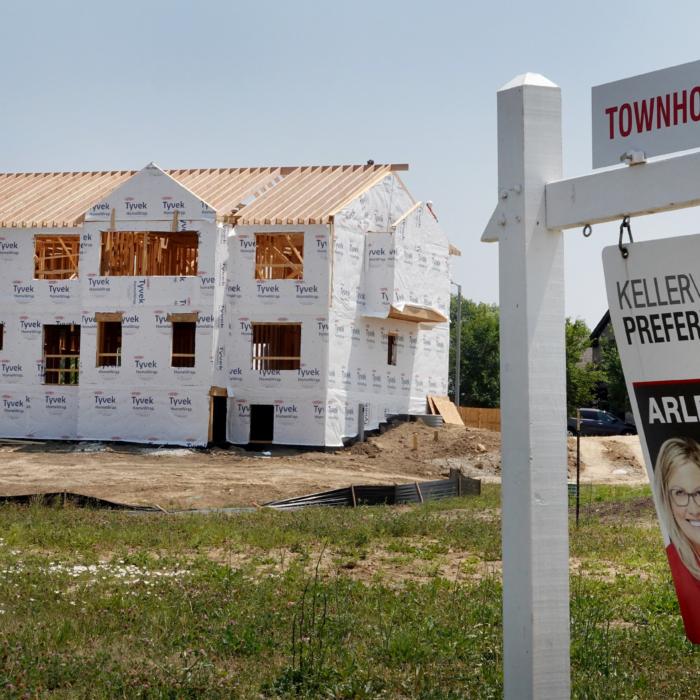

Since 2024, large investors have been selling slightly more homes than they’ve been buying, “demonstrating a strategic withdrawal from the single-family market,” according to BatchData.
“This capital isn’t disappearing—it’s being rotated into build-to-rent developments,” the report said.
Given these realities, blocking additional purchases by the big guys “may help first-time buyers at the margins, but it won’t fix affordability,” noted Reed Letson, owner of Elevation Mortgage.
“The real issue is still supply and financing costs,” he told The Epoch Times via text message. “Without addressing those, investor bans are more symbolic than impactful.”
Levi Rodgers, founder of VA Loan Network, agreed a ban would do nothing to produce more housing, but noted the advantage investors have because they buy in cash.
Pockets of Impact
While the overall impact of large landlords is limited, they play a more significant role in areas where more than 400,000 single-family homes are concentrated.Other areas with significant institutional presence include Tampa and Orlando, Florida; Phoenix, Arizona; Raleigh, North Carolina; Indianapolis, Indiana; and Nashville and Memphis, Tennessee.
Policy Details
Trump hasn’t offered much detail on what, exactly, his desired policy would look like. He said he would be looking to Congress to codify it, indicating he might take an executive action first before seeking a legislative solution. He promised more details would come in his Jan. 21 scheduled speech at the World Economic Forum in Davos, Switzerland.“A president can’t ban private investors from buying single-family homes on their own. That would require Congress and face legal challenges,” Letson said. “Where an administration does have leverage is through indirect pressure, like tax changes or limiting access to government-backed financing.”
Simonetti concurred via text message.
“There are always indirect ways to make it more difficult for giant investors from purchasing properties,” she said.
In Congress, Trump may find allies in some Democrats who have been putting forward bills addressing the issue since 2023.
“I have a legislation that would deal with this issue. It’s a big problem in Atlanta,” Sen. Raphael Warnock (D-Ga.) told The Epoch Times.
He was referring to his “Stop Predatory Investing Act,” originally spearheaded in 2023 by then-Sen. Sherrod Brown (D-Ohio), who was unseated a year later by Republican Bernie Moreno.
The bill would deny tax deductions for depreciation and interest to investors owning at least 50 single-family homes.
It remains to be seen whether Republicans will be interested in cosponsoring it, Warnock said.
Sen. Mazie Hirono (D-H.I.) wouldn’t rule out bipartisan cooperation.
“Frankly, any pragmatic and workable ideas on how to make housing more affordable, I will keep an open mind about them,” she told The Epoch Times.
Meanwhile, in the House, on the day of Trump’s post, Rep. Pat Harrigan (R-N.C.) introduced a bill that would give first-home buyers a 180-day “first look period” to buy single-family homes sold by the Federal Housing Administration, Federal Housing Finance Agency, Fannie Mae, Freddie Mac, or the Department of Agriculture. Local governments, land trusts, and some nonprofits would get the same advantage.
Fundamental Causes
The experts agreed that blocking institutional investors won’t solve the main issues plaguing the market: high interest rates and housing shortages.“Affordability will not materially improve without a significant increase in housing supply,” Rodgers said.
Relatively high interest rates pursued by the Federal Reserve from 2022 to 2024 to stem inflation have created a psychological barrier for both buyers and sellers, Letson said.
Potential sellers don’t want to refinance at higher rates, while buyers wait for the rates and home prices to drop, he said.
Buyers will also likely have demographic trends playing to their advantage as the Baby Boomer generation ages. The oldest Baby Boomers are turning 80 this year, and inevitable health issues will make them rethink living arrangements, including moves to assisted living facilities, Lichtenstein told The Epoch Times.
“What this will mean is a lot of downsizing,” he said in a text message.