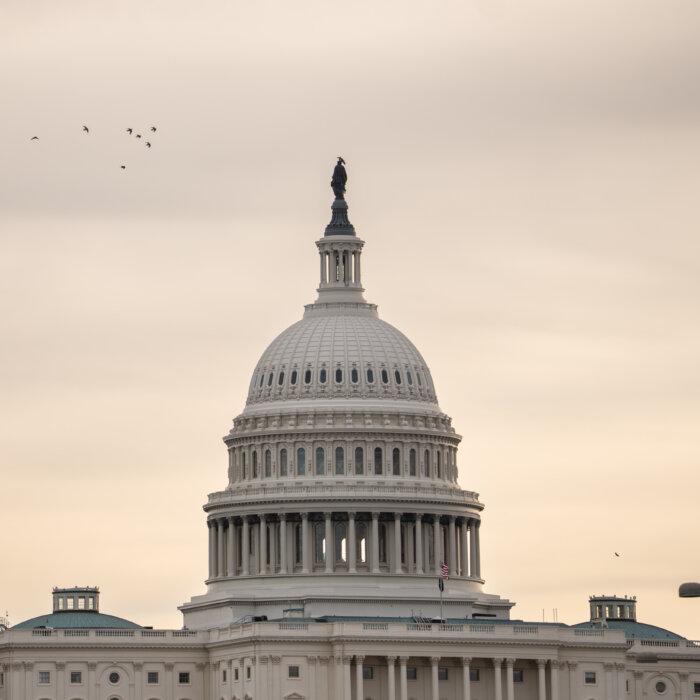
WASHINGTON—Appropriators in the House and Senate have moved forward on regular appropriations for 2026, issuing a bipartisan, three-bill package that would fund parts of the federal government through the end of September.
Released on Jan. 5, the new package comes a few weeks after a deal was reached between top Republican lawmakers in both chambers. It lacks some cuts sought by the White House and more conservative Republican lawmakers, a result that drew praise from top Democratic appropriators.
Combining the efforts of the House, dominated by a thin Republican majority, and the Senate, led by a more moderate GOP bloc, it is slated to move forward in the lower chamber this week, according to House Speaker Mike Johnson (R-La.)
The government is currently funded by a stopgap bill set to expire on Jan. 31. That legislation was passed in November 2025 to end a 43-day government shutdown, the longest in history.
House Appropriations Chair Tom Cole (R-Okla.) announced on Dec. 20 that he and Senate Appropriations Chair Susan Collins (R-Maine) had reached an agreement on allocations for remaining funding legislation, including spending targets lower than what another continuing resolution would require.
“We will now begin expeditiously drafting the remaining nine full-year bills to ensure we are ready to complete our work in January,” Cole said at the time.
In a statement on the latest bicameral bills, the Oklahoman said they are the result of “committee-led negotiations and thoughtful deliberation.”
On X, Johnson noted that the three-bill package released on Jan. 5 is not an omnibus—a sprawling and, among fiscal conservatives, often unpopular approach to funding the government. He also said that the bills “advance President Trump’s America First agenda.”
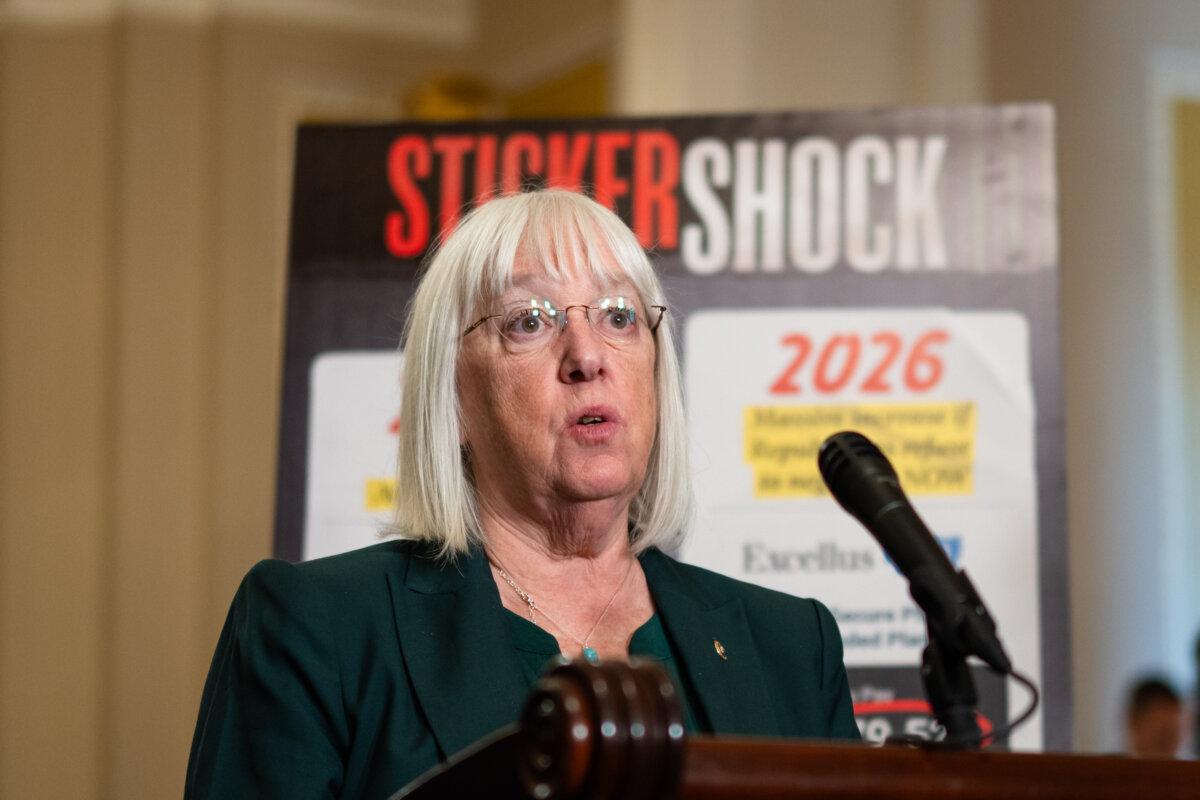
Sen. Patty Murray (D-Wash.), the top Democratic appropriator in that chamber, also praised the new package, saying it avoided cuts envisioned by the Trump administration.
Vought is the director of the White House’s Office of Management and Budget, which issued the executive branch’s 2026 discretionary budget request.