The Department of Defense (DOD) is weighing taking equity stakes in defense contractors such as Lockheed Martin and others, Commerce Secretary Howard Lutnick said in an interview on Tuesday.
Speaking on CNBC’s “Squawk Box,” Lutnick was asked about whether the Trump administration would attempt to acquire equity stakes in companies, days after the U.S. government acquired 10 percent of Intel stock for around $9.5 billion.
“But what’s the economics of that? I’m going to leave that to my secretary of defense and the deputy secretary of defense,“ he said, referring to Defense Secretary Pete Hegseth and his deputy, Steve Feinberg. “These guys are on it and they’re thinking about it.”
The current situation with defense contractors “has been a giveaway” by the federal government, Lutnick said, adding that the administration is also considering a significant overhaul in the DOD’s appropriations.
Lockheed Martin manufactures the F-35 Lightning II strike fighter plane, the F-16 Fighting Falcon, the F-22 Raptor, Patriot missiles, the C-130 transport plane, and numerous other assets used by the U.S. military. Other major defense contractors include Northrop Grumman, Boeing, General Dynamics, and RTX, formerly called Raytheon.
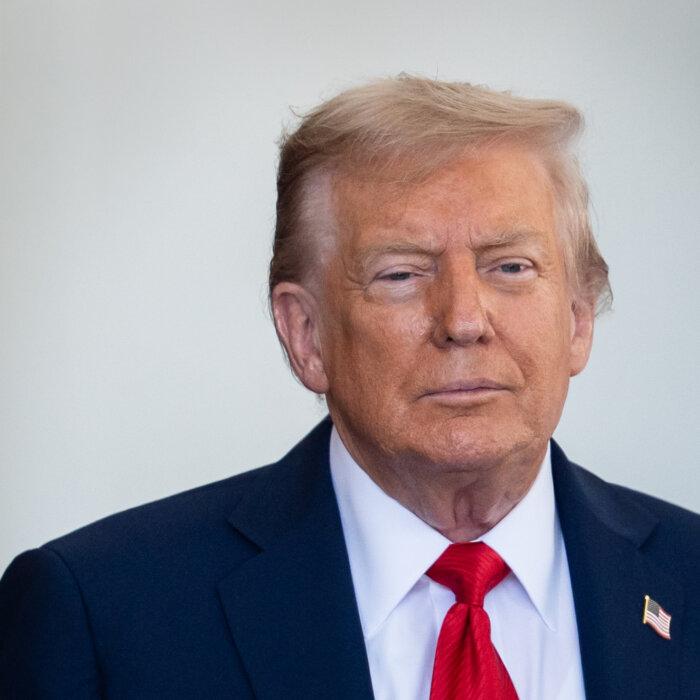
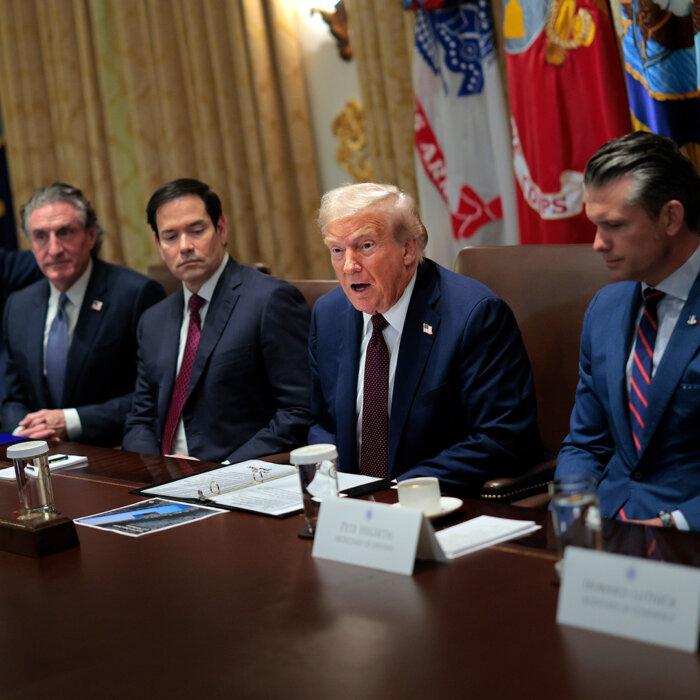
On Monday, President Donald Trump signaled that he wants the U.S. government to hash out more deals like the one it made with Intel, telling reporters at the White House, “I hope I’m going to have many more cases like it.”
Trump said in a social media post on Monday that he would help companies that make similar deals with U.S. states, but he did not provide further details.
Lutnick responded to Paul’s concerns on Monday, telling Fox News’ Laura Ingraham that the deal “is not socialism” and would “take care of the American taxpayer.”
“There could be adverse reactions, immediately or over time, from investors, employees, customers, suppliers, other business or commercial partners, foreign governments or competitors,” it stated in the filing. “There may also be litigation related to the transaction or otherwise and increased public or political scrutiny with respect to the Company.”
Intel also warned that the deal could impact sales overseas.
“The Company’s non-US business may be adversely impacted by the US Government being a significant stockholder. Sales outside the US accounted for 76 percent of the Company’s revenue for the fiscal year ended December 28, 2024,” it said. “Having the US Government as a significant stockholder of the Company could subject the Company to additional regulations, obligations or restrictions, such as foreign subsidy laws or otherwise, in other countries.”