Columbia University will pay $200 million to resolve allegations that it discriminated against Jewish students, in exchange for the restoration of federal grants worth hundreds of millions of dollars.
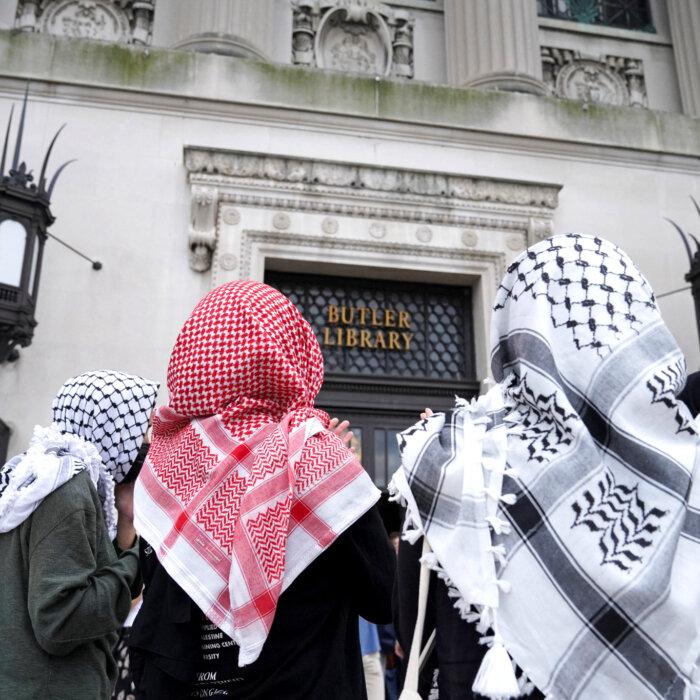
Columbia University was one of the most active campuses involved in pro-Palestinian protests that swept the United States in 2024 in the wake of terrorist group Hamas’s attack on Israel on Oct. 7, 2023, which triggered a war that is still ongoing. Pro-Palestinian students and activists formed encampments, and in several instances, Jewish students were physically or verbally harassed by protesters.
Critics, including the Trump administration, have accused university administrators of failing to take proper action in response to these incidents of anti-Semitism.
The Department of Justice, Department of Health and Human Services, Department of Education, and the U.S. General Services Administration attributed the cancellation of funding to “the school’s continued inaction in the face of persistent harassment of Jewish students.”

The university will adopt a “substantially revised” antidiscrimination and discriminatory harassment policy for students and groups, “including the ability to sanction groups, (i.e. defund, suspend, or derecognize).”
In addition, the university will continue its policy of training its faculty and staff on Title VI.
On July 15, Columbia also agreed to adopt the International Holocaust Remembrance Alliance definition of anti-Semitism, dedicated Title VI and Title VII coordinators, and expanded university-wide education and training initiatives.
The university promised “consistent, rigorous, and effective disciplinary actions for violations of University Rules,” and cited actions that it has taken—including suspension, expulsion, and temporary degree revocation—against students who violated the school rules during the first encampment at the school. It also promised “improvements to our disciplinary process.”
Additionally, the school will clarify time, place, and manner restrictions on protests, ensuring that these demonstrations don’t go into academic buildings or otherwise impede education.
Steps will also be taken against masking during demonstrations, identifying involved individuals, and more on-campus security.
In a statement, Claire Shipman, acting president of Columbia University, said, “[The agreement] marks an important step forward after a period of sustained federal scrutiny and institutional uncertainty.
“The settlement was carefully crafted to protect the values that define us and allow our essential research partnership with the federal government to get back on track. Importantly, it safeguards our independence, a critical condition for academic excellence and scholarly exploration, work that is vital to the public interest.”