The National Coffee Association (NCA) asked the Trump administration on July 8 to keep Brazilian green coffee exempt from tariffs during a session of public consultation that is reviewing tariffs on Brazilian imports.
The federal government is holding consultations this week regarding the Section 301 investigation into Brazilian trade practices. Brazil is the world’s largest producer and exporter of coffee, and supplies a third of U.S. needs. The country was hit by a 50 percent tariff last year until Washington decided to include green coffee in a list of exemptions.
The NCA also asked the administration on Wednesday to include instant coffee on the list of tariff-free Brazilian products.
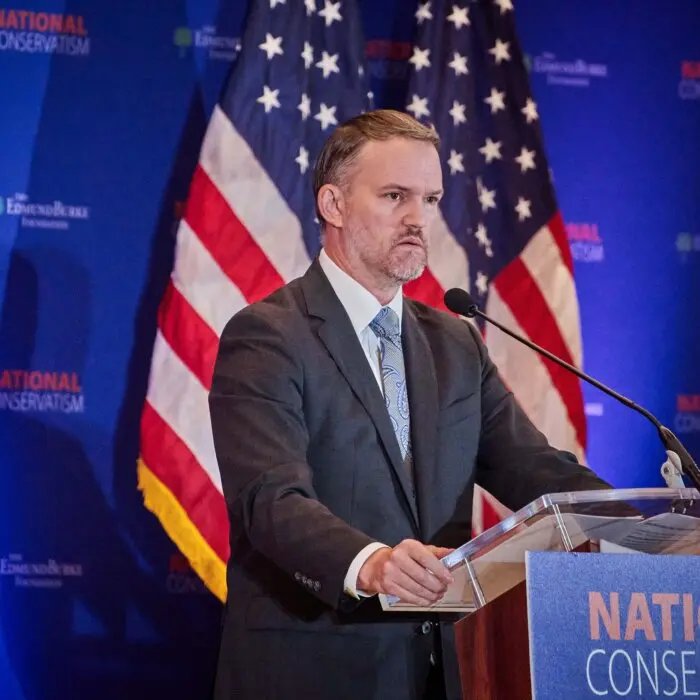
“It is critical for more than 176 million daily U.S. coffee drinkers and our $343 billion coffee economy that any tariffs resulting from the current Special 301 investigations exclude all coffee and coffee products, most of which NCA applauds the administration for having already included in proposed exclusions,” NCA President and CEO William Murray said during testimony in Washington.
“The proposed exclusions should be extended to include unflavored instant coffee consumed by nearly 30 million American adults each day and used as a critical ingredient in value-added manufacturing of coffee extracts, flavorings, cold brew, and ready-to-drink beverages.”
The Trump administration could impose a 25 percent tariff on imports of several Brazilian products, alleging the country’s practices were unfair across a range of issues from digital trade to illegal deforestation.
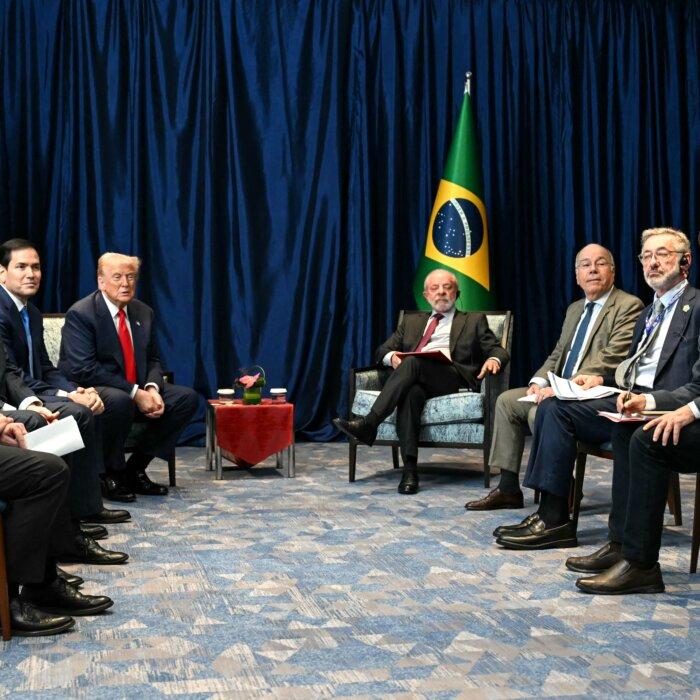
The NCA said in a statement that coffee drives “more than $343 billion in U.S. economic value” and supports 2.2 million jobs, accounting for 8 percent of the value of the U.S. food service sector.
When the U.S. Supreme Court struck down reciprocal tariffs in February, the Trump administration responded by setting a new global tariff of 10 percent under Section 122 of the Trade Act of 1974.
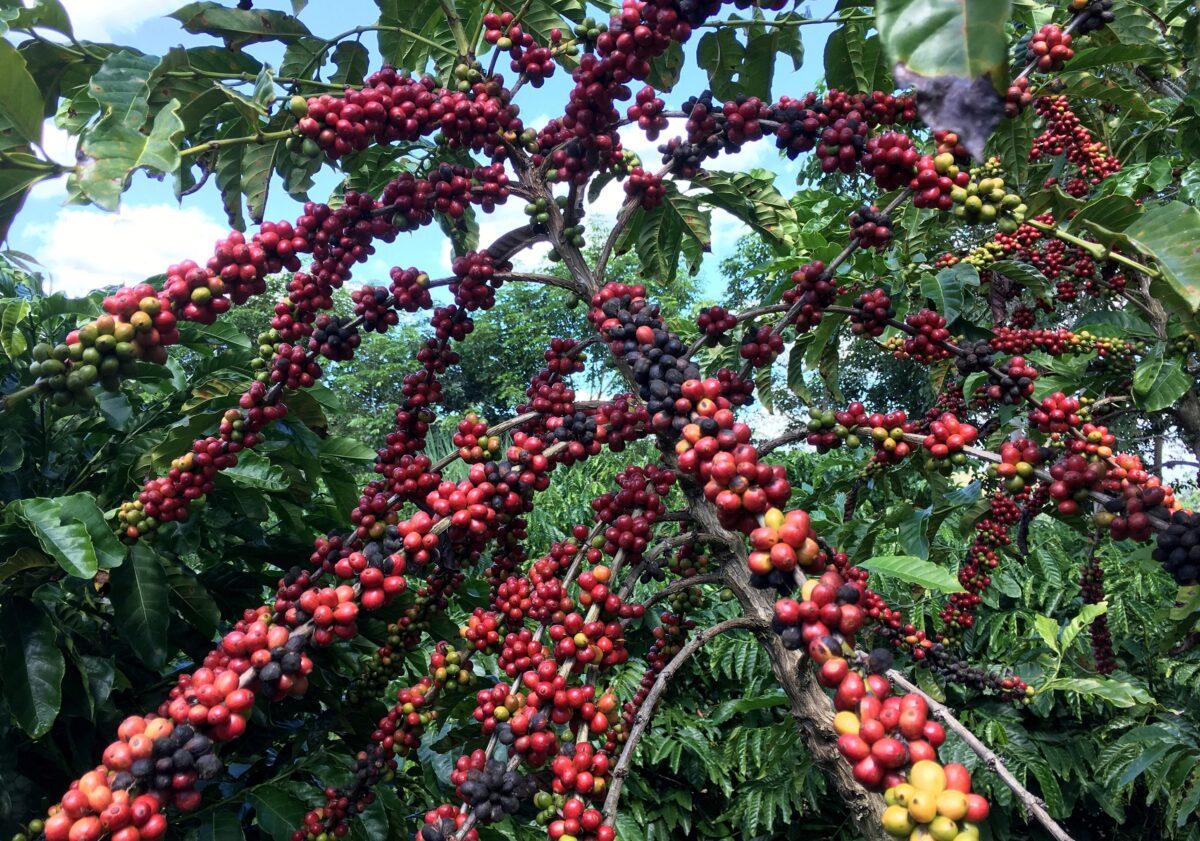
Trade Representative Jamieson Greer said at the time that the investigation covered “longstanding and pervasive U.S. concerns.”
The USTR said in June that products exempted from the proposed tariffs would include crude oil and petroleum products, pharmaceutical compounds, organic chemicals, and fertilizers. Other exempted products include beef, coffee, rare earths, certain other metals and ores, and aircraft parts.
Lula suggested a standing working group and left the door open to concessions on Washington’s concerns. Last year, the United States ran a $14.4 billion goods surplus with Brazil on nearly $94.3 billion in total trade.