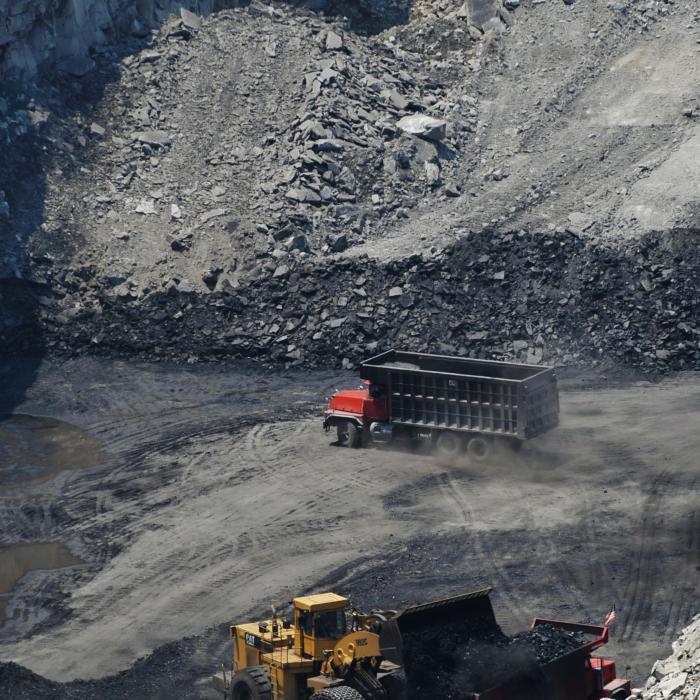
“In the week ending January 25, 2026, as Winter Storm Fern affected significant portions of the country, coal-fired electricity generation in the Lower 48 states increased 31 percent from the previous week. The increase contrasts with coal use in the earlier part of January, which had milder weather and consequently lower coal-fired generation compared with the same period in 2025,” the EIA said.
“Coal accounted for 21 percent of all electricity generation in the Lower 48 states over the same period, up from 17 percent the previous week. Coal was the second-largest source of energy used for electricity, following natural gas, which contributed 38 percent. Nuclear was third at 18 percent.”
Natural gas power generation in those states rose by 14 percent week over week. Nuclear generation remained almost unchanged, while power generation from solar, wind, and hydropower declined, the agency said.
According to the EIA, during extreme weather and demand surges, electricity grid operators can draw on their existing coal fleet to boost generation. This is also viable when power output from other generation sources declines.
A similar pattern of increased coal power generation was observed during the severe cold weather in February 2021 and January 2025.
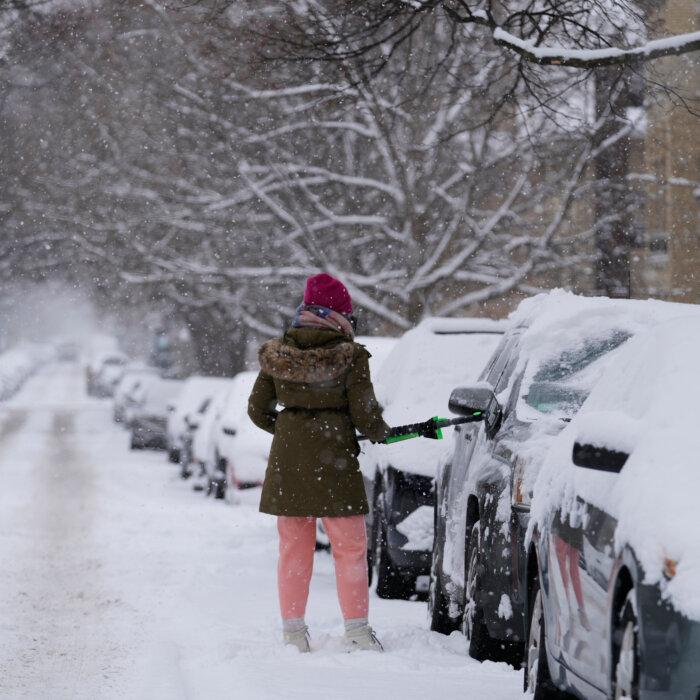
Winter storm Fern, which began on Jan. 23, brought heavy snow, freezing rain, dangerously cold temperatures, wind chills, and sleet to several states from the Southern Plains to the East Coast.
Strengthening the US Coal Sector
The Trump administration has taken steps to boost the coal industry. On April 8, 2025, President Donald Trump signed an executive order to reinvigorate the sector.The United States has vast coal reserves estimated to be worth trillions of dollars, Trump wrote in the order.
“Our Nation’s beautiful clean coal resources will be critical to meeting the rise in electricity demand due to the resurgence of domestic manufacturing and the construction of artificial intelligence data processing centers,” he said.
“We must encourage and support our Nation’s coal industry to increase our energy supply, lower electricity costs, stabilize our grid, create high-paying jobs, support burgeoning industries, and assist our allies.”
In a Jan. 20 statement, the department said that under the Trump administration, “wages for coal workers are up and coal plants across the country are reversing plans to shut down.”
“At the end of 2025, more than 17 gigawatts of coal-powered electricity generation will have been saved, strengthening grid reliability and affordability,” it added.
“Modeling shows annual outage hours could increase from single digits today to more than 800 hours per year. Such a surge would leave millions of households and businesses vulnerable,” DOE said.