A rare mass emergence of cicadas is underway across the eastern United States as Brood XIV—one of the largest 17-year periodical cicada broods—surfaces for the first time since 2008.
Brood XIV is considered a keystone brood because of its size and central role in cicada evolution. Researchers say it may have given rise to nearly all other 17-year broods through rare timing shifts known as “four-year jumps.”
This year’s emergence spans a wide area, including parts of Georgia, Tennessee, Kentucky, Ohio, Pennsylvania, and New York state. Disjunct populations also exist in places like Cape Cod and Long Island, though scientists say those groups may be in decline.
University of Connecticut researchers are urging caution when interpreting sightings this year due to the presence of “stragglers,” cicadas that emerge early or late compared to their expected brood. These misaligned appearances, along with a phenomenon called “shadow brooding,” may confuse mapping efforts and lead to mistaken conclusions about the size or expansion of Brood XIV.
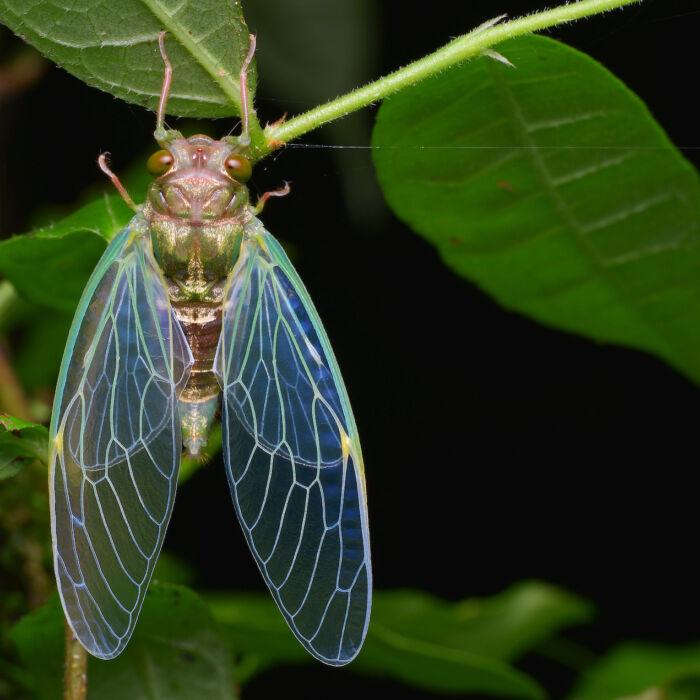
The cicadas began appearing in April in Southern states and are expected to continue emerging through June in Northern regions as soil temperatures 7 to 8 inches below ground reach about 64 degrees Fahrenheit. Their emergence is typically triggered by warming weather. Once above ground, the insects climb nearby trees, molt into adults, mate, and die within several weeks.
Eggs hatch six to 10 weeks later, and the tiny nymphs fall to the ground to begin another 17-year cycle.
Periodical cicadas are not harmful. They do not bite, sting, or carry disease. While they may damage young saplings during egg-laying, they are not considered pests and do not require pesticide treatment. Most adults feed briefly on woody plants before dying.
Cicada densities can vary extraordinarily, the researchers stated. In some areas, estimates suggest up to one million insects per acre. This overwhelming presence is believed to protect the population from predators through a process called “predator satiation,” where animals eat their fill without impacting the entire population.
Scientists encourage residents in affected states to document sightings using platforms such as iNaturalist or the Cicada Safari app to aid researchers in real-time mapping. Since Brood XIV emerges only once every 17 years, this season offers a rare chance to witness one of nature’s most distinctive phenomena.