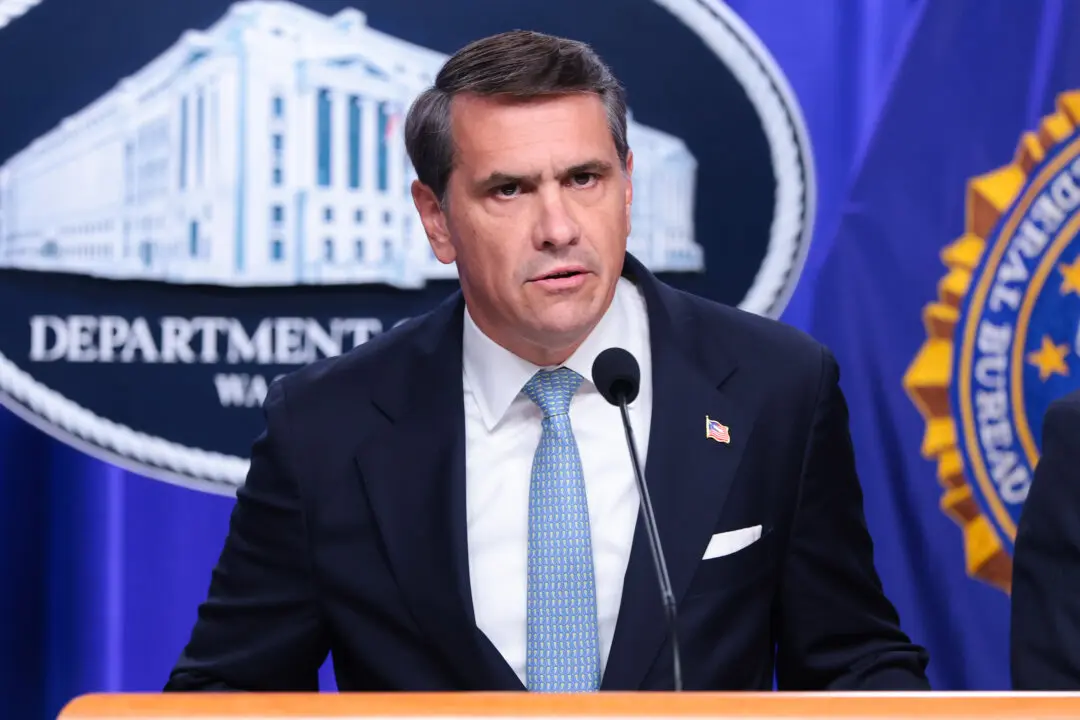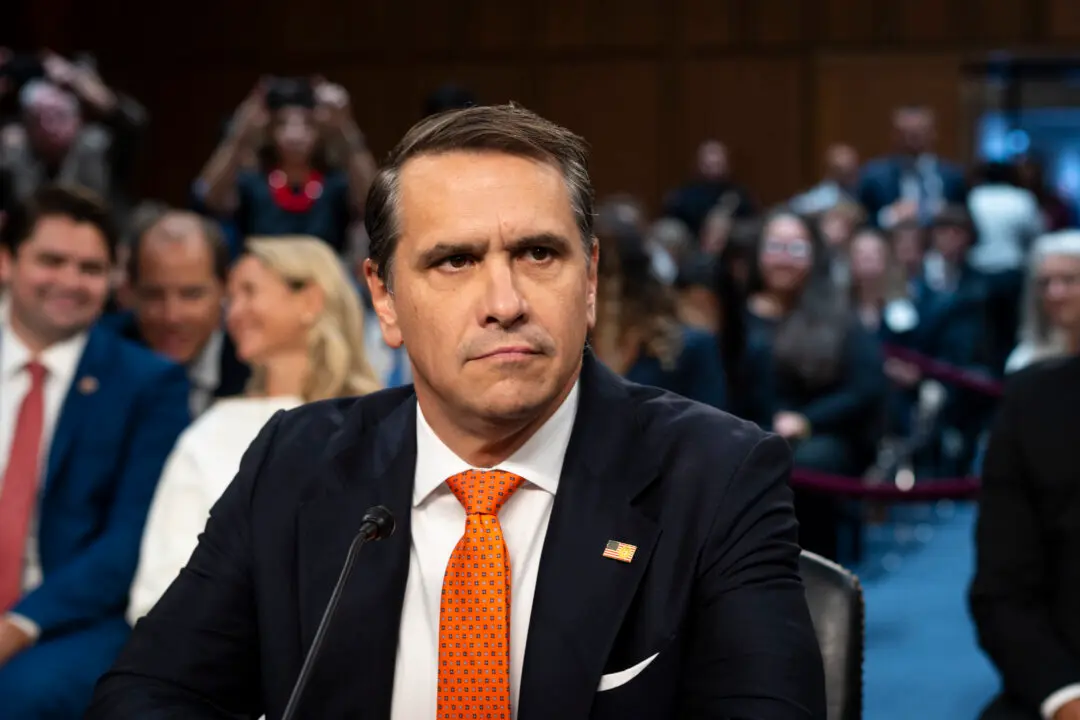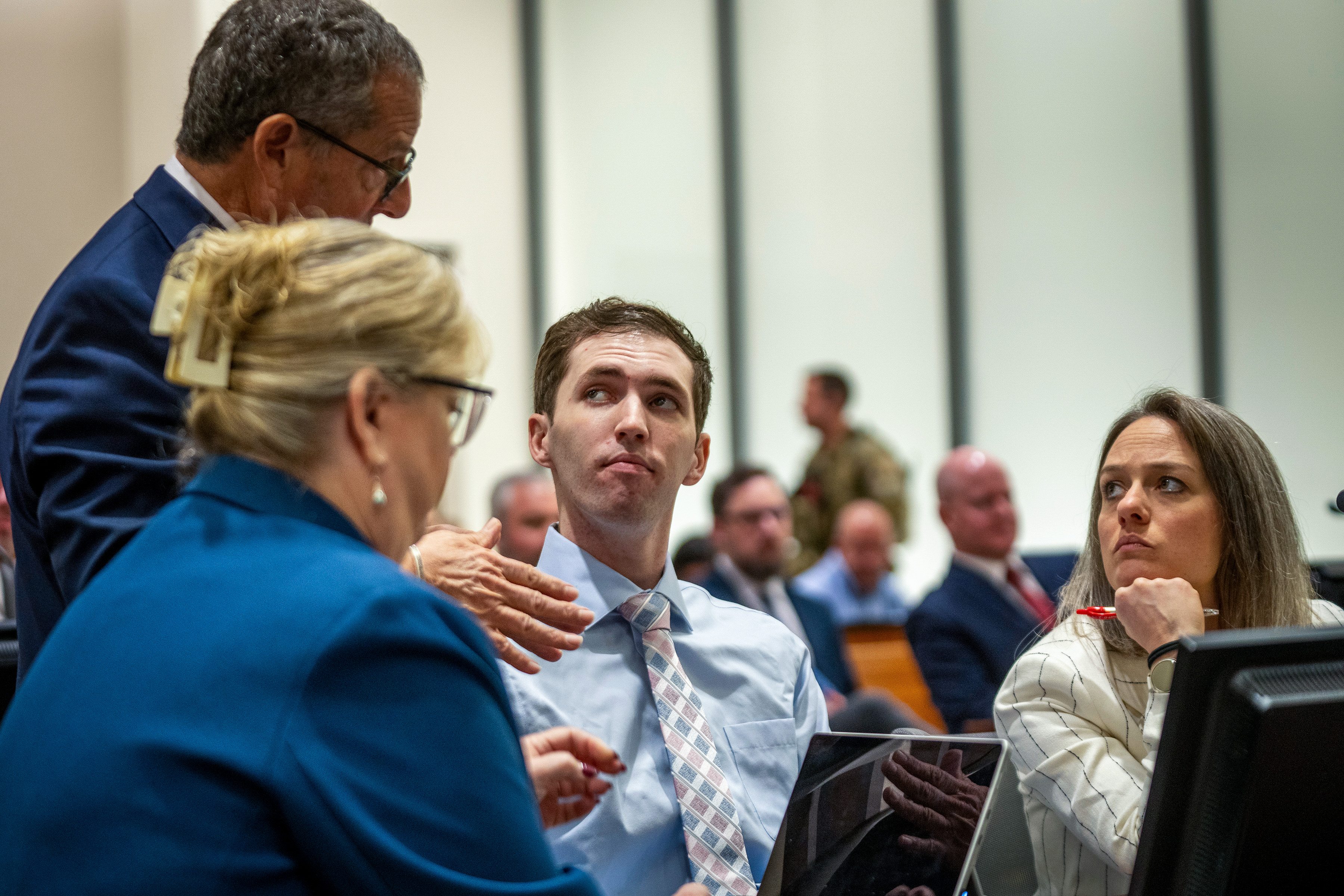

After months of wrangling, the case of Charlie Kirk’s alleged assassin, Tyler James Robinson, is now headed toward its first major legal threshold.
Robinson, 23, is accused of fatally shooting Kirk, the 31-year-old founder of the conservative Turning Point USA youth movement, while Kirk spoke at Utah Valley University on Sept. 10, 2025.
During a four-day proceeding set to begin on July 6 in a Utah courtroom, prosecutors must reveal some of the evidence they have against Robinson.
This preliminary hearing requires the evidence to pass two key tests. And the judge overseeing the case has set strict rules for people who will be attending, including news crews.
Here is what to expect, based on general legal principles, Utah law, and rulings from Utah Fourth District Court Judge Tony Graf Jr.
Why the Hearing Matters
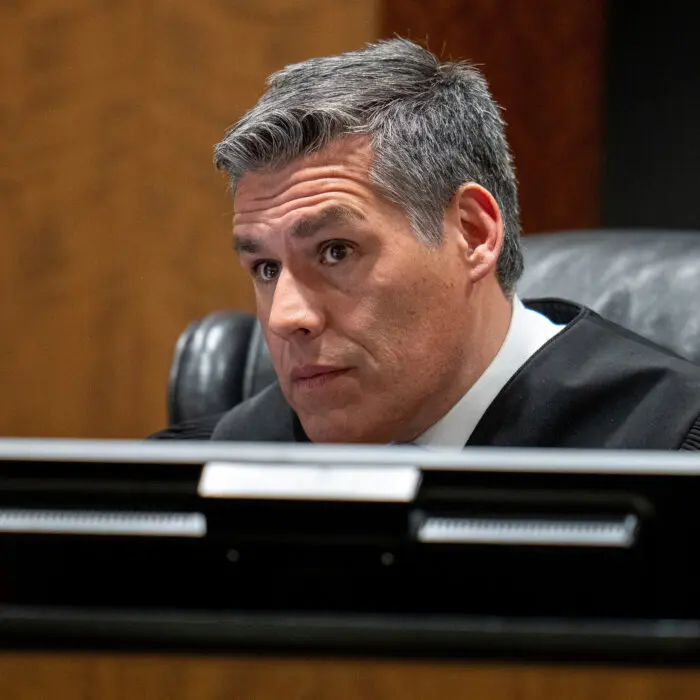
Not all U.S. criminal courts use a preliminary hearing to put evidence through an initial screening, but Utah courts do.
The hearing is like a “mini trial,” which comes with advantages and disadvantages for both sides in a criminal case.
Prosecutors have already shared much evidence with Robinson’s lawyers, as criminal law requires. But this hearing requires them to show their cards more specifically.
That will give defense lawyers a chance to poke holes in some of the evidence that prosecutors have against Robinson.
However, prosecutors have a wild card in their favor. At this hearing, they may present some evidence that would not be allowed during a trial.
In Utah, that evidence includes “reliable hearsay” testimony—statements that a witness heard someone else make. Usually, hearsay is forbidden, and witnesses must testify only about what they personally stated or observed.
The law requires prosecutors to present enough evidence to persuade Graf that they have “probable cause.” That consists of two parts: First, they must provide sufficient proof that a reasonable person could conclude that the alleged crimes happened. Second, that evidence must show that the accused probably committed those offenses.
Open to the Public, With Restrictions
Instead, access will be granted, subject to limited seating and strict rules, the judge said. He gave a lengthy explanation of the rules on June 26.
No one—except specified people—will be allowed to bring electronic devices to Graf’s courtroom in Provo, Utah; he is also banning the devices from the entire fourth floor of that building, outside his courtroom.
People who are exempt from that rule include attorneys and their support staff, as well as media personnel who receive Graf’s approval.
“In addition, every person who will be in attendance will be afforded the dignity and respect due to them,” Graf said.
He cited an order he issued on Sept. 24, 2025, regarding courtroom decorum.
“All spectators shall be quiet, civil, and orderly,” Graf said. “Spectators shall not engage in any distracting, disruptive, provocative, disrespectful, uncivil, or threatening behavior of any kind.”
Further, he is forbidding attendees from making any gestures, including shaking or nodding heads to signal disagreement or agreement with statements.
No one is allowed “to wear or display pins, buttons, signs, clothing, or photographs expressing support for or against any person,” Graf said.
“The court respectfully asks all persons seeking admission to conduct themselves in an orderly and respectful manner while court staff and security personnel carry out their responsibilities, including security screening and the assignment of wristbands for entry into the hearing,” he said.
What Could Happen Next?
Because probable cause is considered a low bar to clear, it is rare for a case to fail at the preliminary hearing stage.
But if that does happen, the case probably would continue after a delay. Prosecutors would be allowed to add more evidence and refile the charges.
Most preliminary hearings end with the case being “bound over” for trial.
At trial, the standard of proof that prosecutors must meet is the highest in the criminal justice system. It is “beyond a reasonable doubt.”
This standard requires “more certainty than any other burden of proof in law,” according to Cornell Law School’s Legal Information Institute.
Beyond a reasonable doubt does not mean beyond all imaginary doubt. It means that the judge or jury is “firmly convinced” that the defendant committed the alleged crimes.
If Robinson is convicted as charged, he could face the death penalty.
To remedy that violation of his order prohibiting such an out-of-court statement, the judge said he will work with attorneys on both sides.
They will put together an extra detailed jury selection questionnaire, and a larger pool of potential jurors might need to be summoned, Graf said.