
The Centers for Disease Control and Prevention on June 24 said there is no link between vaccines containing a preservative called thimerosal and autism. The statement comes two days before a meeting in which new advisers to the agency will consider whether to recommend restricting thimerosal-containing influenza vaccines.
Thimerosal is a preservative that is 50 percent mercury, by weight, It began being used in vaccines in the 1930s.
While other papers have found an increased risk of autism and neurodevelopment disorders from vaccines with thimerosal, those studies “have significant methodological limitations including unmeasured confounding, inaccurate assessment of exposures, differences in control and case groups, unverified diagnoses, and other potential biases that threaten the validity and reliability of the findings,” the document states.
It added that in light of “the breadth of evidence and consistency in results from multiple population-based studies conducted in several countries with various study designs, the evidence does not support an association between thimerosal-containing vaccines and autism spectrum disorder or other neurodevelopmental disorders.”
On June 24, Vivien Dugan, a CDC scientist, is slated to present the review and its conclusions to the Advisory Committee on Immunization Practices (ACIP), an outside panel that advises the CDC on vaccines.
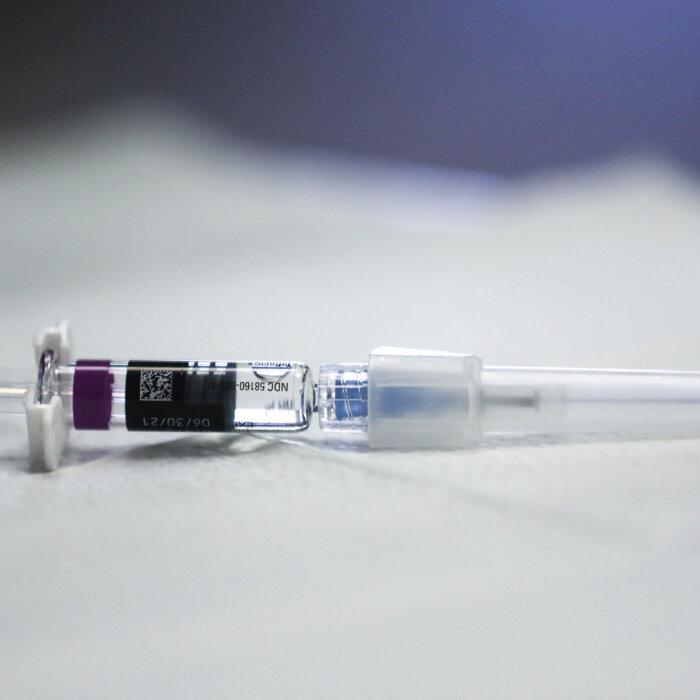

The committee will also hear from nurse Lyn Redwood about thimerosal, and influenza vaccines containing the preservative.
Redwood is also the former president of Children’s Health Defense, an organization chaired by Health Secretary Robert F. Kennedy before he launched a presidential bid in 2023.
A Children’s Health Defense spokesperson told The Epoch Times in an email on Tuesday that Redwood is no longer affiliated with the group, which says its mission is to end health crises in children.
Kennedy wrote in his 2014 book, “Thimerosal: Let the Science Speak,” that thimerosal is “immensely toxic” and causes brain damage.
The federal notice for the meeting, published before Kennedy’s actions, did not include thimerosal as a topic.
“This was taken as a precautionary step, not due to evidence of harm, to reduce an infant’s overall exposure to mercury, given that other environmental sources of mercury were challenging to eliminate,” the CDC staffers said in the new document.
In the most recent flu season, which ran from the fall of 2024 into early 2025, 96 percent of influenza vaccines in the United States were free of thimerosal, according to the document.