Data from 2024 showed a 6 percent decrease in violent crime, an 8.4 percent drop in property crime, a more than 10 percent dip in homicides, and 6.5 percent fewer aggravated assaults.
The report also revealed motor vehicle thefts decreased by over 15 percent, while arsons dropped nearly 10 percent and burglaries dipped by more than 9 percent. The robbery rate also decreased by 6.3 percent, according to the 2024 data.
California Gov. Gavin Newsom and Attorney General Rob Bonta applauded the new data.
The reports, however, have incomplete and missing crime data from some of California’s most populated areas. Newsom’s office did not return a request asking whether the governor was aware of the gaps.

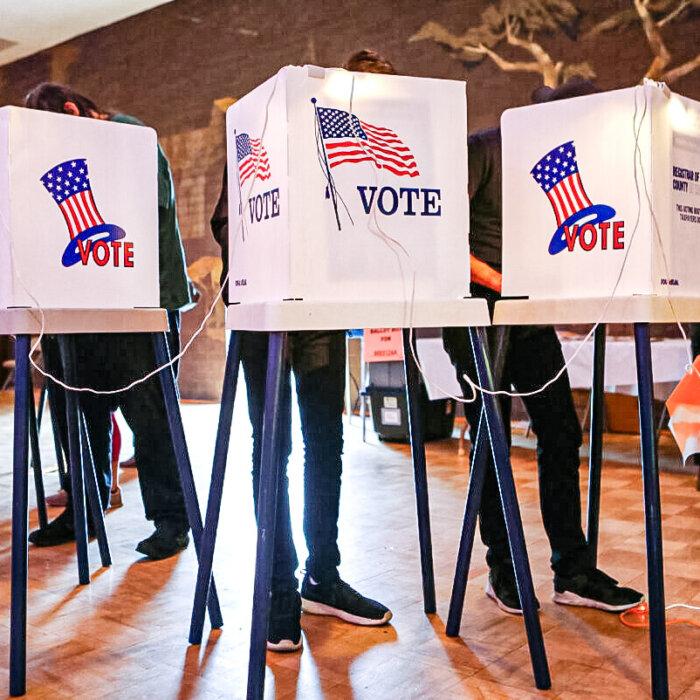
The state was unable to fully collect data because of staffing and reporting issues in Los Angeles, San Diego, and Kern counties.
The San Diego Sheriff’s Department, serving nearly 1 million, transitioned to a new system in November, which caused its December counts to be low, the state reported.
In Los Angeles County, Downey Police Department, which serves more than 113,200 residents, was unable to report its 2024 data.
Central California’s Kern County data was also incomplete. The Arvin and Wasco police departments were not able to report data for the year for nearly 46,300 residents, the state noted.
Imperial, Plumas, San Joaquin, and Shasta counties—serving nearly 1.2 million residents combined—also did not submit a full year of data to the state.

The Brawley Police Department and Plumas County Sheriff’s Office were unable to provide any reports for 2024. Redding Police Department omitted December’s data because of agency challenges and Lodi began reporting in August 2024 because of system issues, according to the report.
Bonta said the crime data were a critical part of understanding the status of statewide crime issues.

Law enforcement agencies have undergone a transition nationwide in crime reporting.
The California Department of Justice began a five-year effort to develop and implement a new state data repository called the California Incident-Based Reporting System to house the new stats.
The repository combines the federal data requirements with added data specific to California, which began collecting data in 2021. However, not all of the state’s law enforcement agencies have transitioned, according to the July 1 report.