Some California housing advocates are hoping that a new affordable housing law under consideration in the Legislature will help with the state’s housing shortage. Meanwhile, some local governments and other groups have rejected it as a solution.
The new developments would not be held to local zoning laws and would establish state zoning standards around train stations and major bus stops that allow developers to build up to seven stories next to an existing home, according to Wiener.
In an amendment, Wiener changed the bill to allow local jurisdictions more flexibility in where to put the increased density but clarified that local affordability requirements still applied. it also added an affordability requirement where local requirements don’t exist.
The bill is needed, Wiener said, because California has overly restrictive zoning laws that “prevent millions of Californians from living near public transit.”
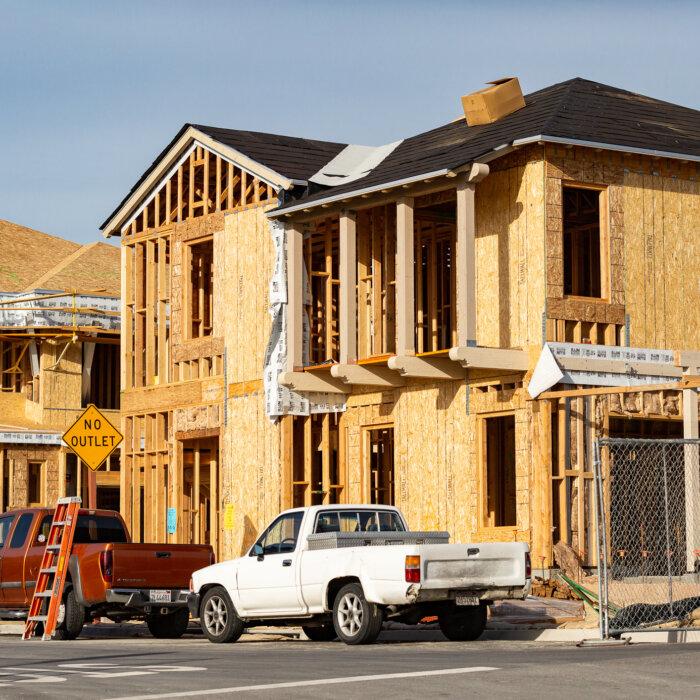

The proposed legislation doesn’t allow for blanket exemptions from the state’s environmental statutes, but they can be streamlined if they meet the law’s environmental, labor, and affordability standards, according to a legislative analysis of the bill.
Supporters of the bill, including its cosponsors Bay Area Council, California YIMBY, Greenbelt Alliance, SPUR, Streets for All, and various local housing and transit advocacy organizations, said the measure will help address the state’s housing and climate concerns by allowing more housing near transit.
The groups said allowing denser housing near transit stops can reduce greenhouse gas emissions, lower household transportation costs, and expand access to job opportunities. they also stress the bill’s potential to get more people to take public transit and housing options for workers.
California’s housing plan mandates the development of 2.5 million new homes. This includes more than 1 million affordable homes.

The bill was introduced on Jan. 15. It passed out of the Senate Housing Committee on April 22 and the Local Government Committee on April 30. It also passed the Senate Appropriations Committee on May 23 before clearing the Senate on June 3.
The legislation then headed to the Assembly, where it passed the Assembly Housing Committee on July 2. It now heads to the Assembly Local Government Committee.
Those opposed to the legislation—including equity-focused nonprofits, tenant advocacy groups, and local governments—are concerned that the bill lacks safeguards preserving affordability, maintaining a local planning authority, and displacement of homeowners.
Equity groups said the bill could enable the redevelopment of rent-controlled or low-cost housing near transit without sufficient tenant protections or affordability requirements.
The bill is Wiener’s latest attempt to impose the controversial housing rules. In 2019, he authored Senate Bill 50, which would have stripped zoning and land-use requirements and allowed building any type of housing next to single-family homes. The bill was killed by Democrats and Republicans.
“California needs more housing, but destroying established neighborhoods is not the way to do it,” Grimes wrote.
“SB 79 would allow housing developments to up to [six] stories tall in single-family zoned neighborhoods within a half-mile of bus rapid transit or trolley lines—all under the pretense of climate action and transit accessibility,” the group wrote. “This could include transit stops that are planned but may never be built.”
The group said the bill will bypass local zoning, putting homeownership and the future of California’s single-family neighborhoods at risk.
“We’re already ahead of our housing goals,” the group stated, referring to San Diego. “Cities like San Diego are building plenty of market-rate housing. This bill targets a problem that doesn’t exist.”